
Business
Invetech & MeMed win 2026 Good Design Award Gold for MeMed Key™
October 9, 2026
2,539 views
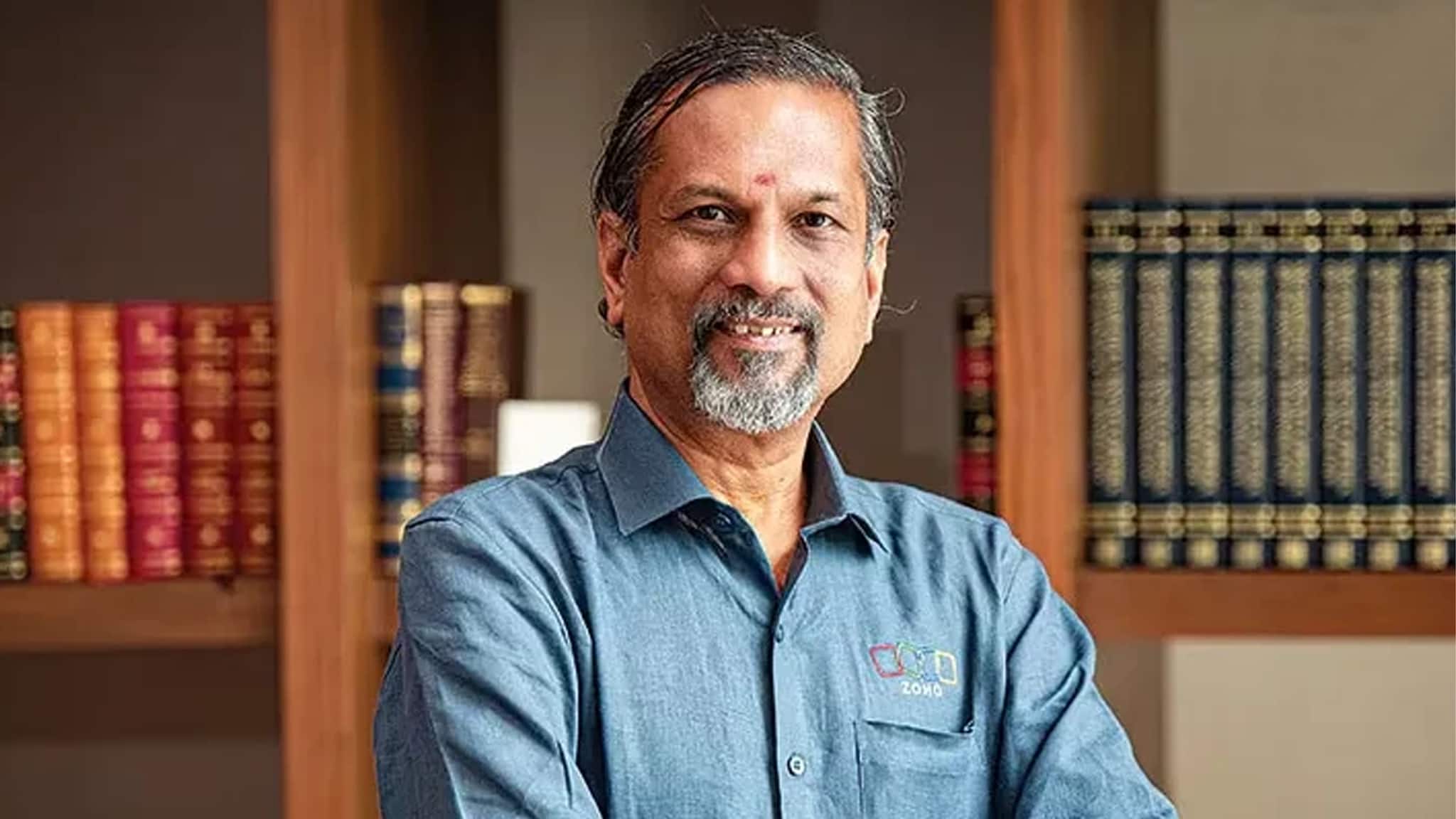
In a bold statement that has ignited discussions across the tech industry and beyond, Zoho CEO Sridhar Vembu has advocated for a significant shift in the way we perceive urbanization and rural life. Vembu's call for reverse migration to villages is not just a personal sentiment; it stems from a deep-rooted concern regarding the long-standing talent drain from rural areas to urban centers. This trend, he argues, has led to a depletion of skills and resources in villages, leaving them underdeveloped despite their potential. As he outlines his vision for building a robust tech infrastructure in Tamil Nadu's rural areas, Vembu aims to rejuvenate these communities and alter the narrative surrounding rural living.
The phenomenon of talent drain has been a pressing issue in India for decades. Young professionals, driven by the allure of better job opportunities and modern amenities, flock to metropolitan cities, leaving behind their villages and contributing to a growing urban-rural divide. Vembu highlights that this migration has resulted in a lack of opportunities and resources in rural areas, stunting their growth and development. He believes that it is time to reverse this trend and encourage individuals to return to their roots, where they can make a significant impact.
To facilitate this reverse migration, Vembu proposes the establishment of advanced tech infrastructure in rural regions. His vision includes creating coworking spaces, providing high-speed internet access, and developing educational institutions that can equip individuals with the necessary skills to thrive in the tech industry. By fostering an environment conducive to innovation and entrepreneurship, Vembu envisions a future where villages can become self-sustaining hubs of technology and creativity.
Vembu's initiative goes beyond just infrastructure; it aims to empower local communities. By encouraging the development of local businesses and startups, he believes that villages can retain their talent and attract new residents. This empowerment can lead to a more balanced economy where rural areas contribute significantly to the national income. Moreover, by creating job opportunities in villages, individuals will no longer feel compelled to migrate to cities for work, thus preserving the cultural heritage and social fabric of these communities.
Vembu’s vision also serves as a call to action for policymakers. He urges government officials to recognize the potential of rural areas and invest in their development. This includes improving infrastructure, providing financial support for startups, and ensuring that educational institutions are equipped to teach relevant skills that align with industry needs. By prioritizing rural development, the government can play a crucial role in reversing the talent drain and fostering a more equitable society.
Despite the optimistic vision laid out by Vembu, several challenges lie ahead in the quest for rural revival. One of the primary obstacles is overcoming the perception that urban life is inherently superior. Many young people view cities as the epitome of success, often leading to reluctance in considering a life in the countryside. Additionally, there are infrastructural challenges to address, including transportation, healthcare, and education, which require significant investment and long-term commitment.
While the challenges are considerable, several success stories across India showcase the potential of rural tech initiatives. Companies like Zoho have already made strides by setting up operations in small towns, thereby creating local job opportunities and contributing to the local economy. These examples serve as a testament to the viability of Vembu’s vision and the possibility of thriving tech ecosystems in rural areas.
Ultimately, Sridhar Vembu's call for reverse migration is a vision for the future—one where rural areas are no longer seen as backwaters but as vibrant centers of innovation and opportunity. By harnessing the power of technology and empowering local communities, the dream of a balanced urban-rural landscape can become a reality. As individuals consider the possibility of returning to their villages, they will not only find a place to call home but also a space to pursue their aspirations and contribute to the greater good.


Loading more news...
You've reached the end of our news feed. Check back later for more updates!