Politics
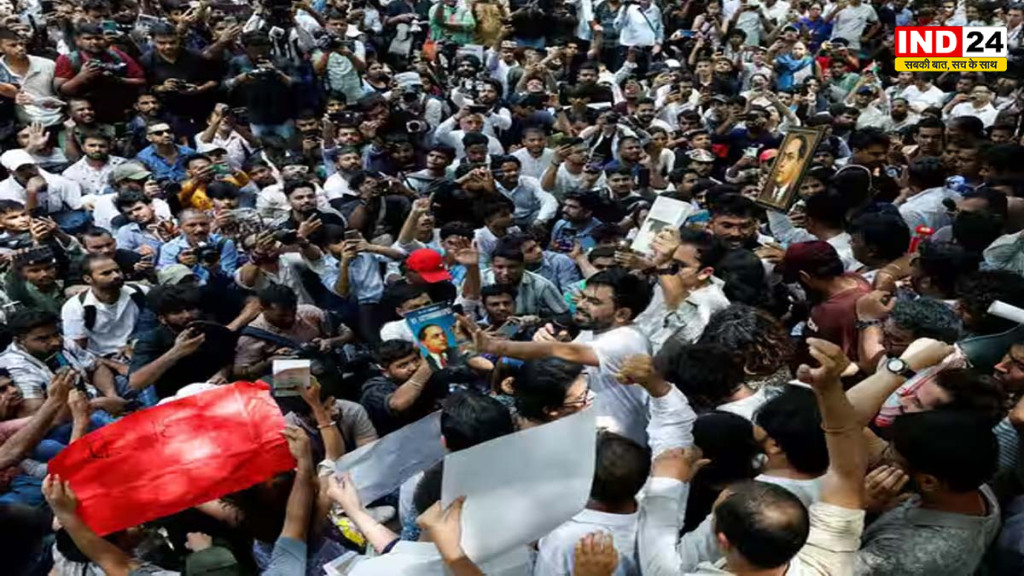
धरना-प्रदर्शनों का नया कारोबार: लोकतंत्र की आड़ में आखिर किसके हित साधे जा रहे हैं?
October 10, 2026
1,612 views

In the ever-evolving landscape of American politics, the role of the media has come under intense scrutiny. Traditionally viewed as the watchdogs of democracy, the press is now perceived by many as more of a cheerleading squad than an objective entity. This shift raises significant concerns about the integrity of information disseminated to the public, especially as political polarization reaches new heights.
The media is often likened to instant replay in sports, serving to clarify and verify the actions and decisions made on the political field. However, this analogy has become blurred. Rather than serving as impartial referees, many in the media have adopted a more subjective stance, acting as cheerleaders for their preferred political teams. This behavior undermines the very foundation of journalism, which should be rooted in objectivity and truth.
In American politics, the general populace resembles an NFL audience, passionately supporting their chosen teams—political parties. Citizens invest not just their money in campaign contributions and franchise merchandise but also their time and emotional energy. This deep engagement creates a unique dynamic where media coverage can heavily influence public perception. When the media opts to cheer for one side over the other, it risks alienating a significant portion of the audience who may feel that their views are not represented.
Just as NFL franchises split championship revenue, political parties similarly divide the treasure troves of campaign financing. The media, which should ideally serve as independent observers, often finds itself caught in this financial web. Advertising dollars from political campaigns can skew reporting, leading to biased coverage that favors one party over another. This financial entanglement raises pressing questions about the integrity of the information being reported.
When the media adopts a cheerleading approach, it not only distorts the narrative but also diminishes the critical function of journalism in a democracy. Voters rely on the media for unbiased information to make informed decisions. When the press fails to fulfill this role, it can result in misinformed voters and a less engaged citizenry. Furthermore, the sensationalism that often accompanies cheerleading journalism can lead to a culture of distrust in media sources, causing citizens to retreat into echo chambers where only their views are validated.
To combat the cheerleading mentality, there is a pressing need for more responsible journalism. Media outlets must prioritize fact-checking, transparency, and impartiality over sensationalism and partisanship. Journalists should be held to high ethical standards that emphasize their role as arbiters of truth rather than as advocates for specific political agendas. Initiatives that promote media literacy among the public can also empower citizens to critically evaluate the information they consume.
The relationship between the media and politics is intricate and multifaceted. As the lines between reporting and opinion blur, it is crucial for both media organizations and the public to recognize the importance of objective journalism. The media must reclaim its role as a fair referee, ensuring that the political arena remains a space for informed discussion and deliberation. Only then can we hope to restore trust in the media and foster a more engaged and informed electorate.

Loading more news...
You've reached the end of our news feed. Check back later for more updates!