
Business
Invetech & MeMed win 2026 Good Design Award Gold for MeMed Key™
October 9, 2026
2,539 views
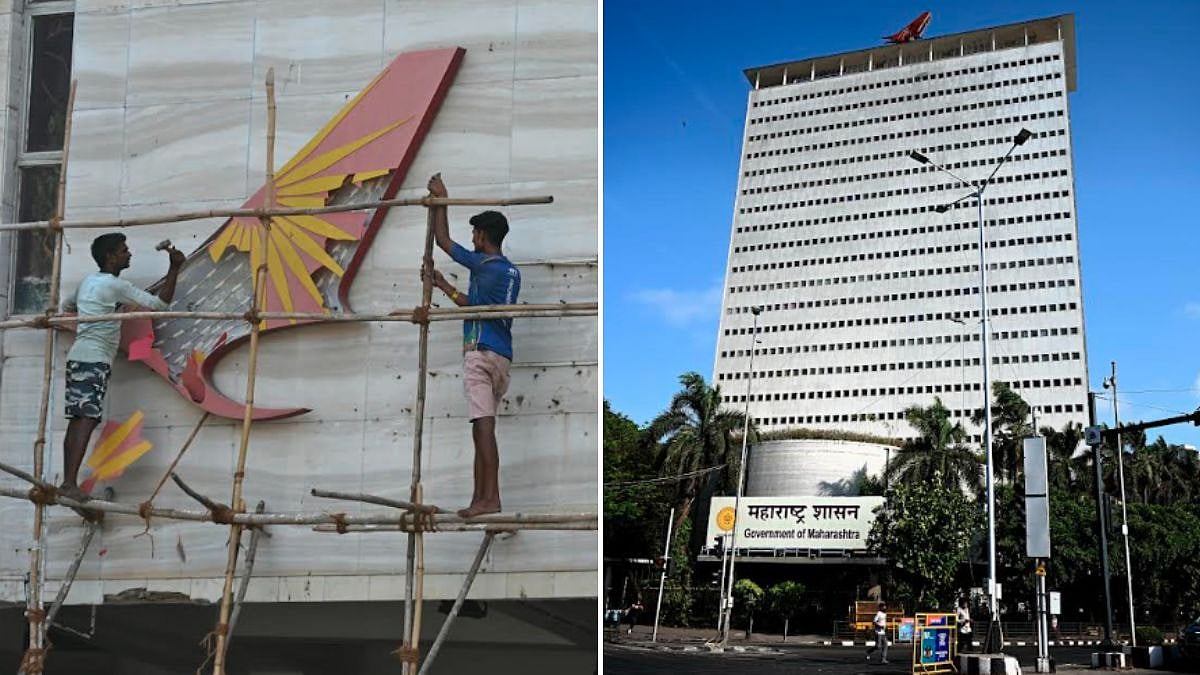
Mumbai, the bustling metropolis and former corporate cradle of Air India, has seen a significant shift in the airline's legacy as it takes a decisive step away from its roots. The recent sale of the iconic Nariman Point building, a landmark that has long been synonymous with the airline's identity, to the Maharashtra government for a staggering Rs 1,601 crore marks the end of an era. With the removal of the Air India signage, the transition becomes even more poignant, symbolizing a profound change in the airline's operational landscape.
Air India, established in 1932, has deep-seated connections with Mumbai, a city that has nurtured its growth and evolution over the decades. The Nariman Point building, which housed the airline's headquarters for many years, served as a testament to its significance in the aviation industry. This iconic structure not only represented corporate power but also embodied the ambitions and aspirations of a nation carving its path in global aviation.
As the headquarters of Air India, the Nariman Point building witnessed countless pivotal moments in the airline's history, from the introduction of international routes to groundbreaking partnerships. It was here that strategies were devised, challenges were met, and successes were celebrated. The recent sale and subsequent removal of the Air India signage, however, signal a shift that many believe marks the end of an era.
With the consolidation of its corporate operations in Gurugram under the Tata Group, Air India is undergoing a transformation that raises questions about its identity and future. This move has not only practical implications but also emotional ones for many employees and stakeholders who have long associated the airline with Mumbai. The shift to Gurugram represents a strategic decision aimed at streamlining operations, enhancing efficiency, and positioning the airline for a competitive edge in the rapidly evolving aviation sector.
The relocation has left many employees feeling a sense of loss. The Kalina staff colonies, once vibrant communities that housed Air India employees, have been vacated, further emphasizing the airline's departure from its roots. Employees who were once proud to be associated with an airline steeped in Mumbai's culture now find themselves grappling with the reality of a corporate identity that seems increasingly disconnected from its origins. The emotional toll of such changes cannot be understated, as many employees reflect on their years of service and the sense of belonging that has now been replaced with uncertainty.
As Air India embarks on this new chapter, the challenges ahead are significant. The aviation industry is witnessing rapid changes, with increased competition and evolving consumer expectations. The Tata Group's ownership brings with it hopes for revitalization, modernization, and a renewed focus on service excellence. However, the path to recovery and regaining its former glory will require careful navigation of both operational challenges and brand identity issues.
As Air India moves away from its historical roots in Mumbai, the question remains: will this transition lead to a new dawn for the airline, or will it result in the loss of a legacy that has been built over decades? While the consolidation of operations in Gurugram may offer logistical advantages, it also poses risks to the emotional connection that many have with the brand. The coming years will be critical for Air India as it navigates the complexities of its new identity while striving to honor the legacy that has defined it for so long.
In the end, the de-Mumbaikarisation of Air India may not just be about geography; it could also signify a broader cultural shift within the airline. As it takes to the skies under new management, the hope is that Air India will soar to new heights while remaining true to its roots and the spirit of the city that gave it its wings.


Loading more news...
You've reached the end of our news feed. Check back later for more updates!