
Politics
धरना-प्रदर्शनों का नया कारोबार: लोकतंत्र की आड़ में आखिर किसके हित साधे जा रहे हैं?
October 10, 2026
1,612 views
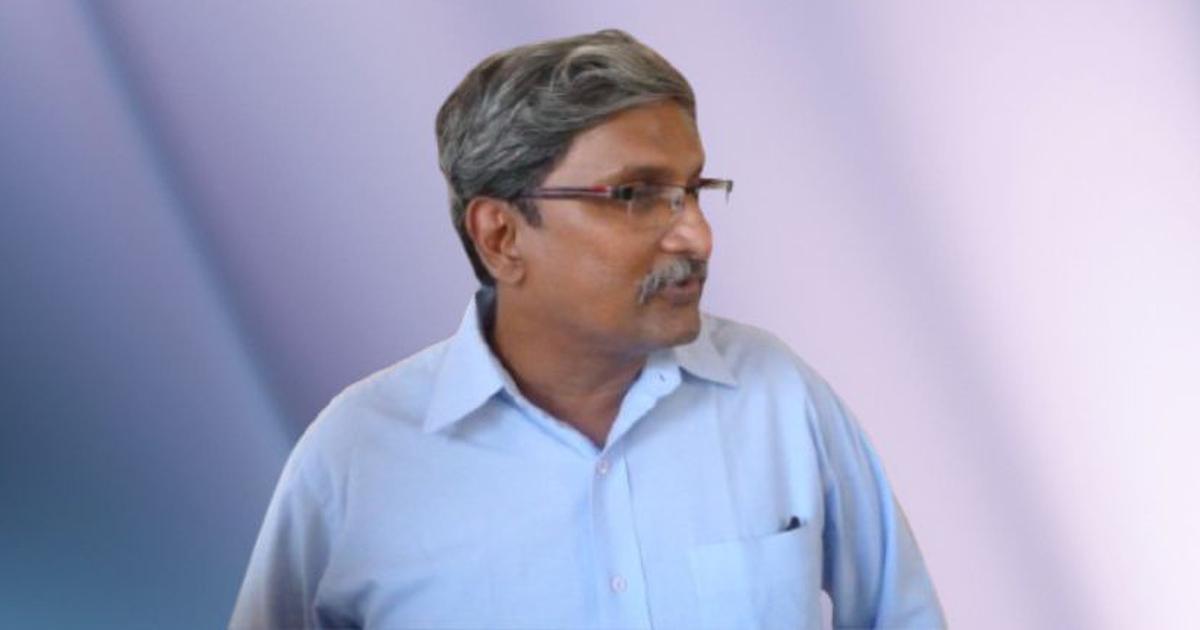
In a thought-provoking interview, celebrated Konkani-to-English literary translator Augusto Pinto sheds light on the complexities surrounding the Konkani language movement. As advocates for linguistic rights strive to elevate Konkani's status, Pinto argues that an overemphasis on written language is detrimental to the very fabric of this rich cultural heritage. For many, the spoken form of Konkani is the lifeblood of their identity, yet it remains overshadowed by its written counterpart. This disparity can weaken the movement's effectiveness in preserving and promoting Konkani as a living language.
The Konkani language, spoken primarily in the Indian state of Goa and surrounding regions, has a rich history and diverse dialects. It has faced numerous challenges, including historical suppression and the dominance of other languages. The Konkani movement emerged in the mid-20th century, aiming to establish Konkani as an official language and promote its use in education, literature, and daily life. Pinto emphasizes that while the written form plays a crucial role in documentation and formal education, the spoken language is where the essence of Konkani truly resides.
Pinto articulates that the spoken language is not merely a mode of communication but a vessel of culture, tradition, and community. It embodies the nuances of local dialects and the rich tapestry of experiences shared by speakers. “When we prioritize written language over spoken forms, we risk losing the pulse of the community,” he states. The oral traditions of storytelling, folk songs, and proverbs are integral to Konkani culture, and they thrive in the spoken form.
Despite the progress made in recognizing Konkani as an official language, several challenges persist. One significant issue is the fragmentation of the Konkani language into various dialects, which can complicate efforts to unify speakers under a single standard. Pinto points out that many dialects are rich in their own right, yet they often receive less attention than the standardized version. This division can lead to a sense of alienation among speakers of different dialects, undermining the collective strength of the movement.
Moreover, Pinto highlights the role of education in perpetuating the belief that written language is superior. Schools often focus on grammar, literature, and written expression while neglecting the importance of conversational skills and oral traditions. As a result, young speakers may grow up feeling disconnected from their linguistic heritage, leading to a decline in fluency and cultural engagement.
To counter these challenges, Pinto advocates for a more inclusive approach to the Konkani language movement—one that embraces both written and spoken forms equally. Educational institutions should incorporate oral traditions into their curriculums, ensuring that students understand the significance of spoken Konkani. Community programs that celebrate storytelling, drama, and music in Konkani can also foster a deeper connection to the language.
Furthermore, Pinto suggests leveraging technology to promote the spoken language. Social media platforms, podcasts, and video content can serve as powerful tools to reach younger audiences. By presenting Konkani in contemporary formats, the movement can resonate with the youth and encourage them to engage with their linguistic heritage in new and exciting ways.
As a translator, Pinto believes that translation plays a vital role in bridging linguistic divides. By translating Konkani literature into English, he aims to introduce the language and its culture to a broader audience. This not only preserves the works of Konkani authors but also enriches the global literary landscape with diverse voices. However, Pinto insists that translation should not come at the expense of the original language. Instead, it should serve as a complement, enhancing the visibility and appreciation of Konkani.
The future of the Konkani language depends on a collective effort to recognize the value of both its written and spoken forms. Augusto Pinto’s insights challenge us to reconsider our perceptions of language and culture. As the Konkani movement continues to evolve, it is essential to foster an environment where all dialects and modes of expression are celebrated. By embracing the full spectrum of the Konkani language, we can build a stronger, more united community that honors its past while looking towards a vibrant future.
In conclusion, let us remember that language is not just a means of communication; it is a repository of history, culture, and identity. The Konkani movement must strive to honor and promote the spoken word alongside its written counterpart, ensuring that the heart of Konkani continues to thrive for generations to come.


Loading more news...
You've reached the end of our news feed. Check back later for more updates!