
Business
Invetech & MeMed win 2026 Good Design Award Gold for MeMed Key™
October 9, 2026
2,539 views
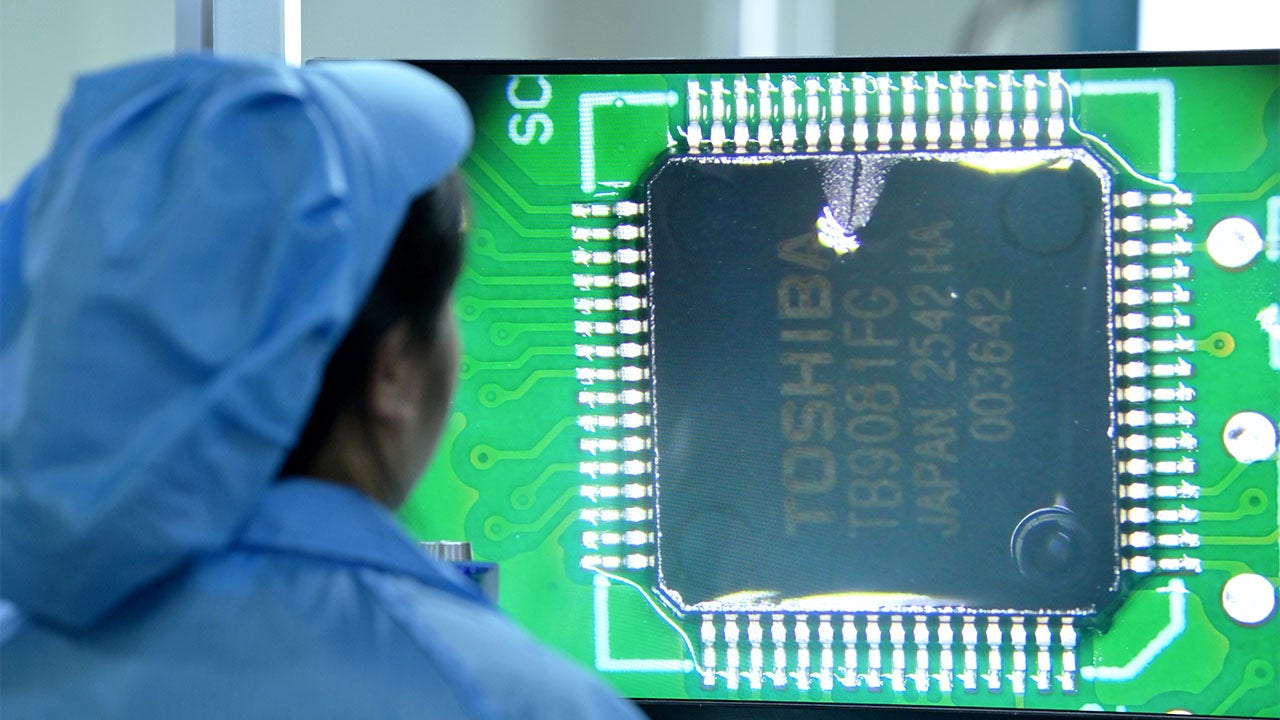
In a world increasingly dependent on technology, the ripple effects of geopolitical conflicts can have far-reaching consequences for consumers. Recently, the ongoing conflict involving Iran has raised concerns about the stability of the electronics supply chain, potentially leading to significant price increases for various tech products. Representative Pat Fallon from Texas has voiced these concerns, commending War Secretary Hegseth and Chairman of the Joint Chiefs of Staff General Dan Caine for their leadership during congressional discussions on the matter.
Electronics manufacturing relies heavily on a complex global supply chain. From the raw materials required for semiconductors to the intricate logistics of transporting finished goods, any disruption in this chain can lead to shortages and increased costs. Iran, being a key player in the global oil market and a significant source of certain minerals, plays an indirect yet crucial role in the electronics sector. As tensions escalate, companies may face increased shipping costs, delays in production, and potential sanctions that could hinder trade.
The immediate concern for consumers is how these disruptions will affect prices. Electronics such as smartphones, laptops, and home appliances could see noticeable price hikes. Market analysts predict that the cost of components like microchips and batteries may inflate due to supply shortages. This inflation, coupled with increased manufacturing costs, may lead retailers to pass these expenses onto consumers. For instance, a new smartphone that might have been priced at $999 could soon cost significantly more, depending on how the situation unfolds.
The rising prices of technology products could have broader implications for the economy. With the cost of living already on the rise, further increases in electronics prices could strain household budgets. Many families rely on technology for remote work, education, and entertainment. As tech becomes more expensive, consumers may be forced to prioritize their spending, potentially leading to a decrease in discretionary purchases.
In light of these challenges, it is essential for both policymakers and businesses to seek solutions. Diversifying supply chains, investing in domestic manufacturing, and fostering international partnerships could mitigate the impact of such conflicts in the future. Companies are already exploring alternatives to traditional suppliers; for instance, some are looking to source materials from countries that are more politically stable. Innovation in supply chain logistics could also help in maintaining cost efficiency despite external pressures.
For consumers, staying informed about market trends and potential price changes is crucial. As the situation evolves, shoppers should be prepared for price fluctuations and consider delaying non-essential purchases if possible. Additionally, exploring refurbished or older models of electronics may offer a way to save money while still accessing necessary technology. Companies can also play a role by improving transparency about pricing and supply chain challenges, helping consumers make informed decisions.
The ongoing conflict in Iran serves as a stark reminder of how interconnected our global economy is. As tensions continue to rise, the electronics supply chain remains vulnerable. It is imperative for stakeholders at all levels—from government officials to consumers—to recognize the potential impact and work collaboratively towards solutions that ensure stability in the tech market.
In conclusion, while the immediate effects of the Iran conflict may lead to rising tech prices, the long-term implications could foster innovation and adaptability within the electronics industry. Whether through greater supply chain resilience, consumer awareness, or policy changes, the challenges posed by geopolitical tensions can also pave the way for future growth and stability.


Loading more news...
You've reached the end of our news feed. Check back later for more updates!