
Politics
धरना-प्रदर्शनों का नया कारोबार: लोकतंत्र की आड़ में आखिर किसके हित साधे जा रहे हैं?
October 10, 2026
1,612 views
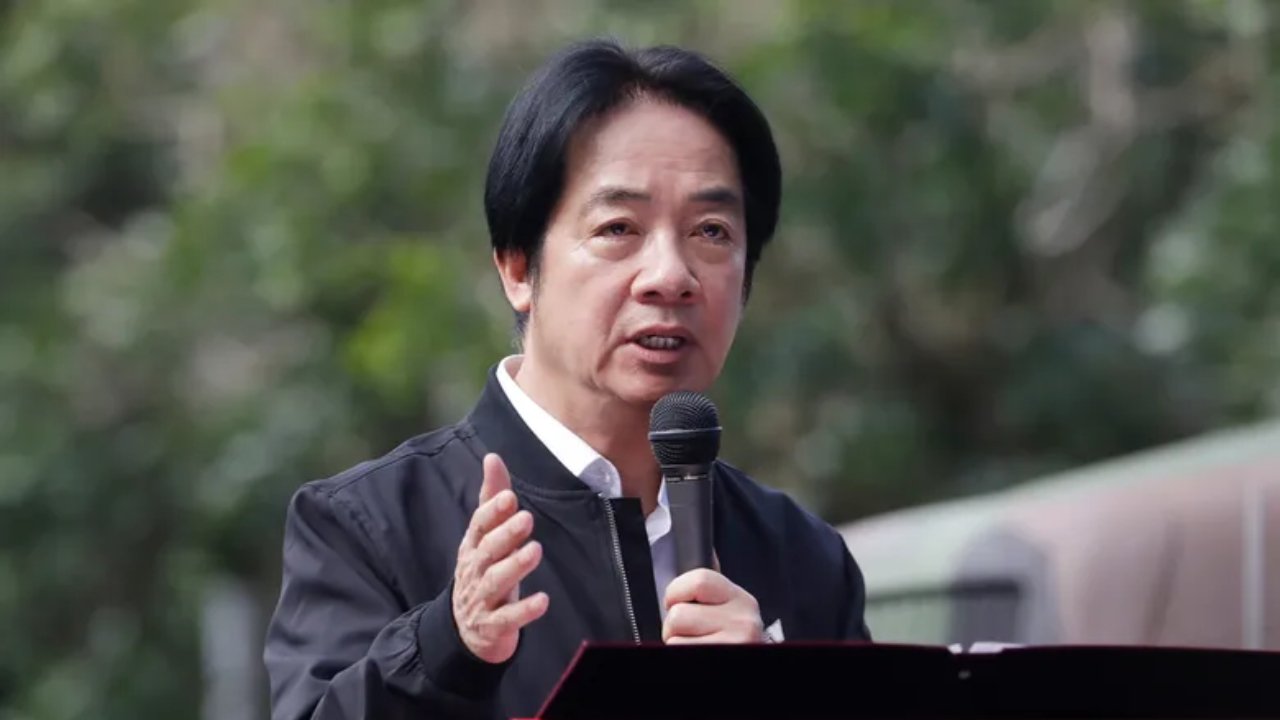
TAIPEI, May 2: Taiwan’s President Lai Ching-te announced his arrival in the African nation of Eswatini on Saturday, marking a significant diplomatic visit that was notably delayed due to geopolitical tensions. The trip, which was originally scheduled for earlier in the week, faced complications when several countries retracted their permission for Lai to use their airspace. This decision was reportedly influenced by pressure from China, which maintains a strict stance against diplomatic recognition of Taiwan. In a post on X, Lai expressed his relief at finally reaching Eswatini and emphasized the importance of strengthening ties between Taiwan and its diplomatic allies in Africa.
The situation surrounding Lai's travel underscores the ongoing tensions between Taiwan and China, which views the self-governing island as part of its territory. Over the past few years, Taiwan has faced increasing diplomatic isolation as several nations have switched allegiance to Beijing. Lai’s visit is not merely a routine diplomatic mission; instead, it represents a bold step by Taiwan to reaffirm its presence and partnerships in Africa, a region often overlooked in global politics but rich in potential for collaboration.
Eswatini, the last absolute monarchy in Africa, has maintained official diplomatic relations with Taiwan since 1968. The small nation has been one of Taiwan's few allies on the continent, and Lai's visit is significant for both nations. It is a chance for Eswatini to showcase its support for Taiwan amidst increasing pressure from China. Lai's itinerary in Eswatini includes meetings with King Mswati III and other government officials, where discussions will likely focus on economic cooperation, agricultural development, and healthcare initiatives.
During his stay, Lai is expected to announce new initiatives aimed at enhancing bilateral cooperation. Taiwan has historically provided aid to Eswatini in various sectors, including education and healthcare. This visit could pave the way for expanded programs that benefit both nations. Given Eswatini's unique position and its need for international support, this partnership could be mutually advantageous, helping to bolster Eswatini's development while allowing Taiwan to solidify its presence on the continent.
In addition to discussions on economic and developmental aid, the two nations may explore opportunities for cultural exchange and educational collaboration. Taiwan has a reputation for having a robust educational system, and partnerships with Eswatini’s schools and universities could enhance learning opportunities for students in both countries. This kind of cooperation not only enriches the educational landscape but also fosters goodwill and understanding between the two societies.
The international community’s reaction to Lai’s visit is also noteworthy. As Taiwan navigates its diplomatic landscape, it is crucial for other countries to consider their stance on Taiwan’s sovereignty and its right to engage with other nations. The events surrounding Lai's overflight clearance highlight the complexities of international diplomacy in a world increasingly influenced by the power dynamics of China. Observers are keenly watching how this visit will affect Taiwan's standing in the global arena and whether it might encourage other nations to reconsider their diplomatic ties with Taipei.
Moreover, Lai’s trip may open doors for further discussions on trade and investment opportunities between Taiwan and African nations. As Taiwan seeks to diversify its economic partnerships beyond its traditional allies, engagements in Africa could be crucial. The continent is rich in natural resources and offers new markets for Taiwanese goods and technology. Establishing a stronger economic foothold in Africa not only benefits Taiwan but also supports the development of African nations, creating a win-win situation.
As President Lai embarks on this important visit, the implications extend beyond the immediate diplomatic gestures. The repercussions of his trip could resonate throughout the region, influencing how Taiwan is perceived globally. The visit serves as a reminder that Taiwan remains committed to maintaining its sovereignty and fostering international partnerships despite external pressures.
With China ramping up its efforts to isolate Taiwan diplomatically, Lai’s visit to Eswatini is a clear statement of resilience and determination. It highlights Taiwan's commitment to its allies and its willingness to stand firm in the face of adversity. As the geopolitical landscape continues to evolve, visits like Lai’s will be crucial in shaping the future of Taiwan's international relations, especially in regions where its influence is still budding.
In conclusion, Taiwan's diplomatic initiatives, exemplified by President Lai's visit to Eswatini, underscore the intricate balance of international relations amidst the pressures of global politics. This trip not only fortifies the bond between Taiwan and Eswatini but also sets the stage for future collaborations that could enhance Taiwan's standing on the world stage, showcasing its resilience and commitment to forging meaningful partnerships.


Loading more news...
You've reached the end of our news feed. Check back later for more updates!