Politics
धरना-प्रदर्शनों का नया कारोबार: लोकतंत्र की आड़ में आखिर किसके हित साधे जा रहे हैं?
October 10, 2026
1,612 views
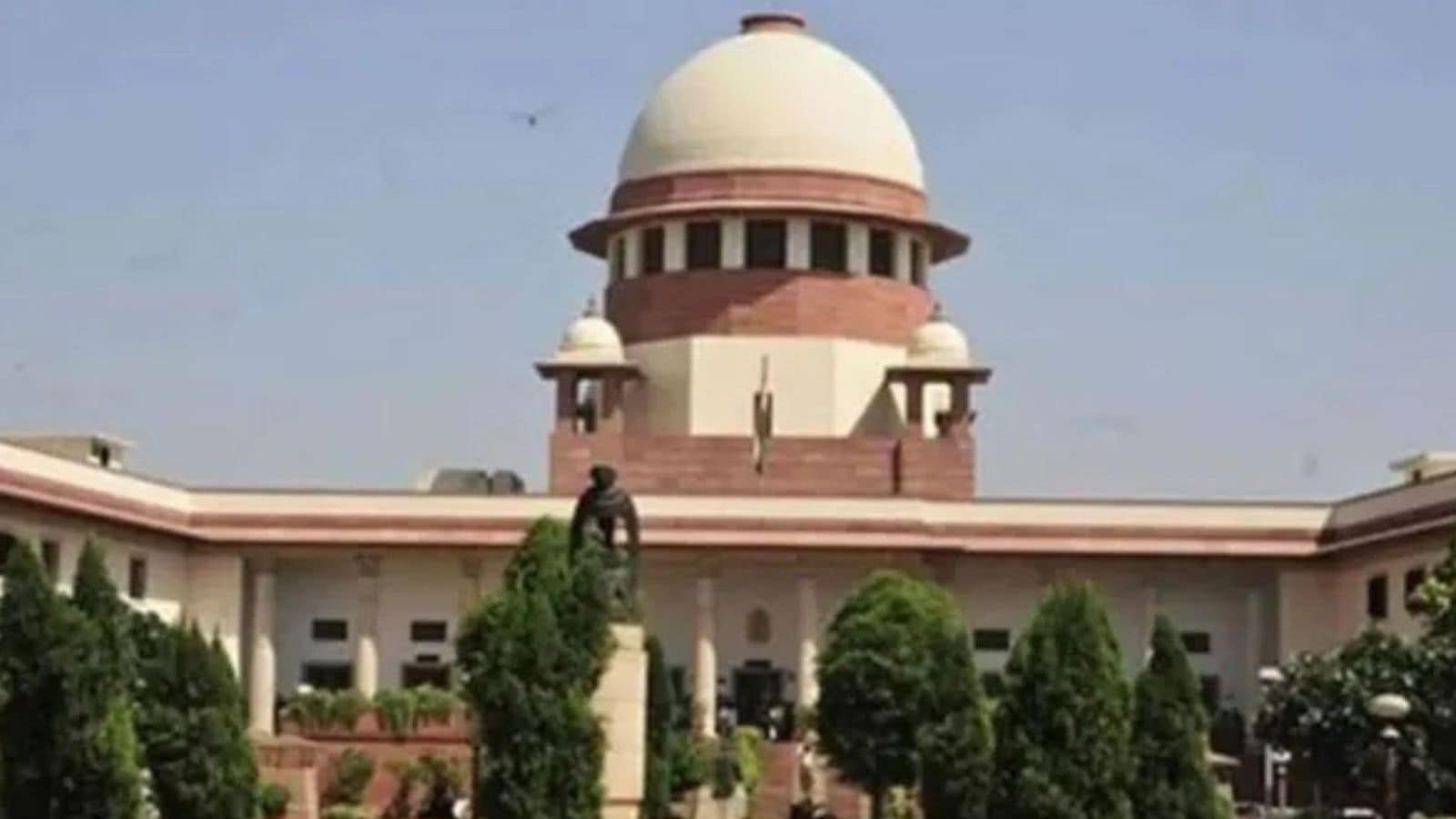
In a significant legal development, the Supreme Court of India is set to hear the plea filed by Natarajan challenging the rejection of his nomination for the Rajya Sabha. The hearing comes at a crucial time, as the deadline for the withdrawal of nominations approaches swiftly. Senior advocate Abhishek Manu Singhvi, representing Natarajan, has emphasized the urgency of the matter, arguing that Thursday, June 11, is the last date for candidates to withdraw their nominations. This raises the stakes for the hearing, as any delay could jeopardize Natarajan’s opportunity to contest.
Natarajan’s nomination for the Rajya Sabha was initially met with enthusiasm among his supporters. However, the rejection by the election authorities has left many questions unanswered. Singhvi, while addressing the bench, highlighted the procedural irregularities that may have led to this rejection. He argued that the decision was not only arbitrary but also lacked a solid legal foundation. The plea challenges the basis on which the rejection was made, calling for a thorough examination of the criteria used by the authorities.
Legal experts are closely watching this case, as it could set important precedents for future nominations. The Supreme Court has previously ruled on issues related to electoral processes, and this case provides an opportunity to reinforce the principles of fairness and transparency in the nomination process. Singhvi's argument hinges on the need for judicial oversight in electoral matters, particularly when candidates feel aggrieved by the decisions of election officials.
The outcome of the Supreme Court hearing today could have far-reaching implications not just for Natarajan, but also for the political landscape in India. A favorable ruling could pave the way for his participation in the Rajya Sabha elections, potentially altering the balance of power within the upper house of Parliament. Conversely, a dismissal of the plea could reinforce the current nomination procedures, leaving candidates with little recourse in the face of rejection.
The political atmosphere surrounding this case is charged, with various parties weighing in on the implications. Supporters of Natarajan have rallied behind him, arguing that the rejection is politically motivated. They claim that the decision to deny his nomination stems from a desire to suppress dissenting voices within the Rajya Sabha. On the other hand, opponents argue that the nomination process must be strictly adhered to, maintaining the integrity of the electoral system.
The Supreme Court's decision to take up this matter underscores its crucial role as the guardian of the Constitution. By addressing Natarajan’s plea, the court is not only examining the particulars of this case but also reaffirming its commitment to uphold democratic principles. The bench will need to consider the legal arguments presented by Singhvi as well as the counterarguments from the election authorities. The justices will weigh the importance of timely decisions in the electoral process against the need for due process and fairness.
This case has sparked public interest, drawing attention to the larger issues of transparency and accountability in the electoral process. Citizens are increasingly aware of the dynamics at play in political nominations, and many are calling for reforms that would ensure a more equitable process. The Supreme Court's ruling could serve as a catalyst for discussions on how to enhance the integrity of electoral systems in India.
Regardless of the outcome, the hearing is expected to shed light on the mechanisms of the nomination process and could prompt further legal challenges or reforms. If the Supreme Court rules in favor of Natarajan, it may set a precedent that encourages others who feel wronged by similar rejections to seek judicial intervention. Conversely, a ruling against Natarajan could signal a need for candidates to adhere strictly to the established guidelines without the expectation of judicial recourse.
The Supreme Court's decision today has the potential to reshape the electoral landscape in India, highlighting the intersection of law and politics. As the nation watches closely, the implications of this case extend beyond Natarajan himself, touching on fundamental issues of democracy and representation. In a time when political tensions are high, this hearing serves as a reminder of the power of the judiciary to influence the democratic process and uphold the rights of individuals within that system.


Loading more news...
You've reached the end of our news feed. Check back later for more updates!