
Politics
Bihar: Over 50 held in protest against Mata Sita women’s university
October 10, 2026
1,707 views
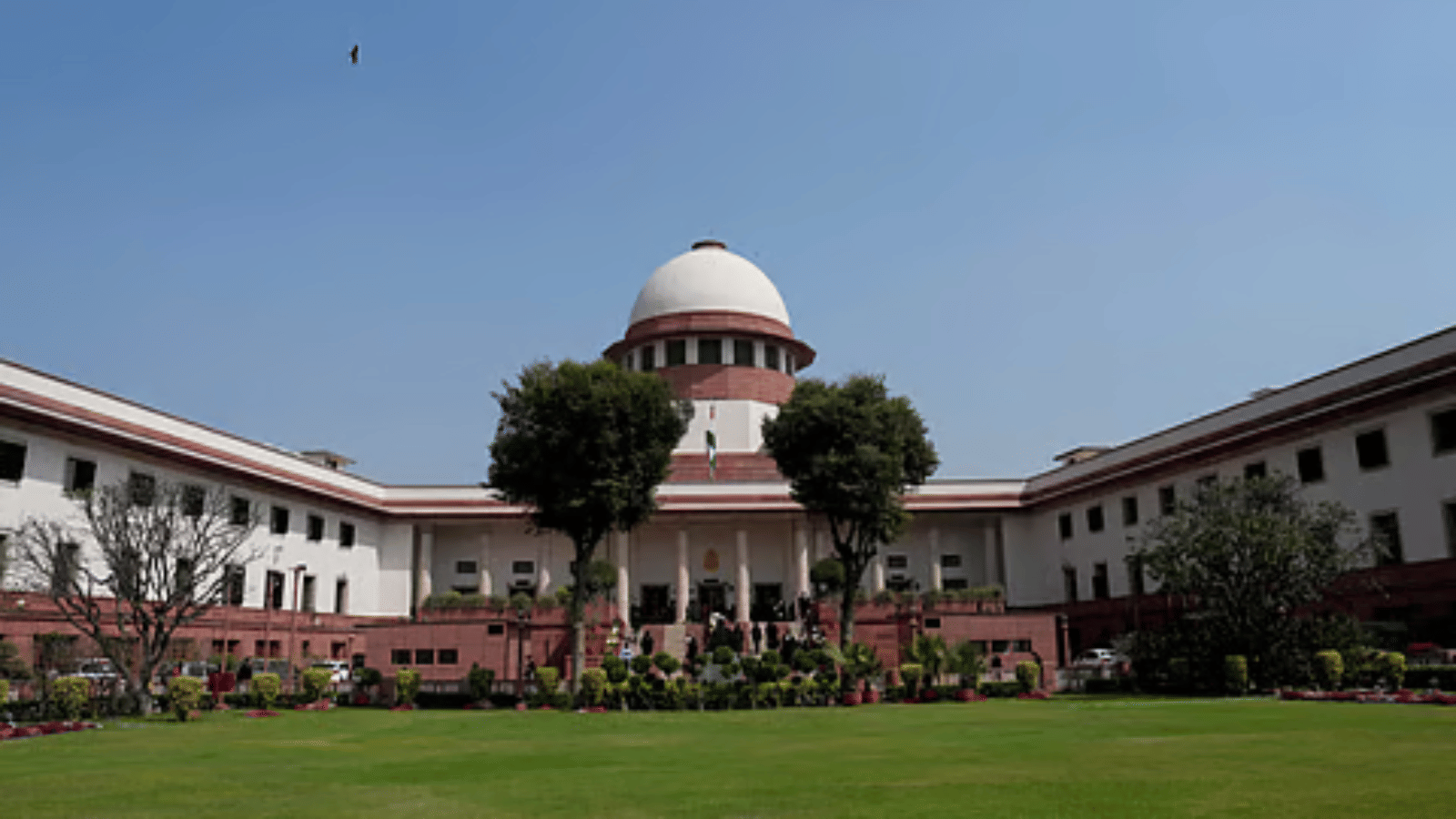
In a significant turn of events, the Supreme Court of India has expressed its disappointment towards the Central Government for failing to file an affidavit regarding a petition aimed at regulating the erratic fluctuations in airfares. The bench, comprising Justices Vikram Nath and Sandeep Mehta, has taken a firm stance on the issue, emphasizing the need for accountability and transparency from the government.
The case was brought to the Supreme Court by a group of concerned citizens and consumer rights activists who are increasingly frustrated by the unpredictable nature of airfares in India. Over the past few years, air travel has become a vital mode of transportation for millions of people, yet the pricing mechanism employed by airlines has often led to exorbitant fares during peak seasons or unexpected price hikes based on demand. The petitioners argue that such fluctuations not only undermine consumers' trust but also make air travel inaccessible for many.
During the proceedings, Justices Nath and Mehta pointed out that the Centre's lack of action in filing the required affidavit is indicative of a larger issue regarding the government's responsiveness to consumer grievances. They directed the government to file an application along with an affidavit detailing the reasons for the delay and the justification for seeking additional time. The judges underscored the importance of timely submissions, stating that such delays could hinder the judicial process and ultimately affect the rights of ordinary citizens.
The Supreme Court's intervention in this matter could have significant implications for the aviation sector and its regulation. Consumer rights advocates are hopeful that the court's insistence on accountability will prompt the government to consider mechanisms that can stabilize airfares and protect consumers from sudden price hikes. This could include measures such as implementing a fare cap during peak travel times or requiring airlines to provide clear and justifiable reasons for fare increases.
As the air travel market continues to grow, the necessity for effective regulation becomes increasingly apparent. Many countries have established frameworks to manage airfares and ensure fair competition among airlines. In contrast, India's aviation sector has been criticized for its lack of regulatory oversight, leading to unpredictable pricing patterns that disadvantage consumers. This situation has raised questions about the government's role in safeguarding consumer interests in a rapidly evolving market.
Looking ahead, the Supreme Court has set a timeline for the Centre to respond to its directives. Legal experts anticipate that the upcoming hearings will delve deeper into the feasibility of regulating airfares and may set a precedent for similar cases in the future. The court's ruling could pave the way for a more balanced approach to air travel pricing, potentially benefiting millions of travelers across the nation.
The public response to the Supreme Court's actions has been overwhelmingly positive. Many consumers have expressed their frustration over the soaring costs of air travel, particularly during holiday seasons and festivals. Social media platforms have been abuzz with discussions about the necessity of regulatory measures, with numerous individuals sharing their experiences of being priced out of air travel options due to fluctuating fares. The court's decision to hold the government accountable resonates with the broader demand for greater consumer protection in various sectors.
As the Supreme Court awaits the Centre's response, the aviation industry and consumer rights advocates are watching closely. The outcome of this case could have lasting implications for air travel in India, potentially leading to a more equitable pricing structure that prioritizes consumer interests. The court's insistence on timely and transparent communication from the government serves as a reminder of the essential balance between business operations and consumer rights, a balance that is crucial for fostering trust and fairness in the marketplace.


Loading more news...
You've reached the end of our news feed. Check back later for more updates!