
Entertainment
Faridabad News: रामजन्म से लेकर ताड़का वध तक के प्रसंगों का मंचन
October 9, 2026
669 views
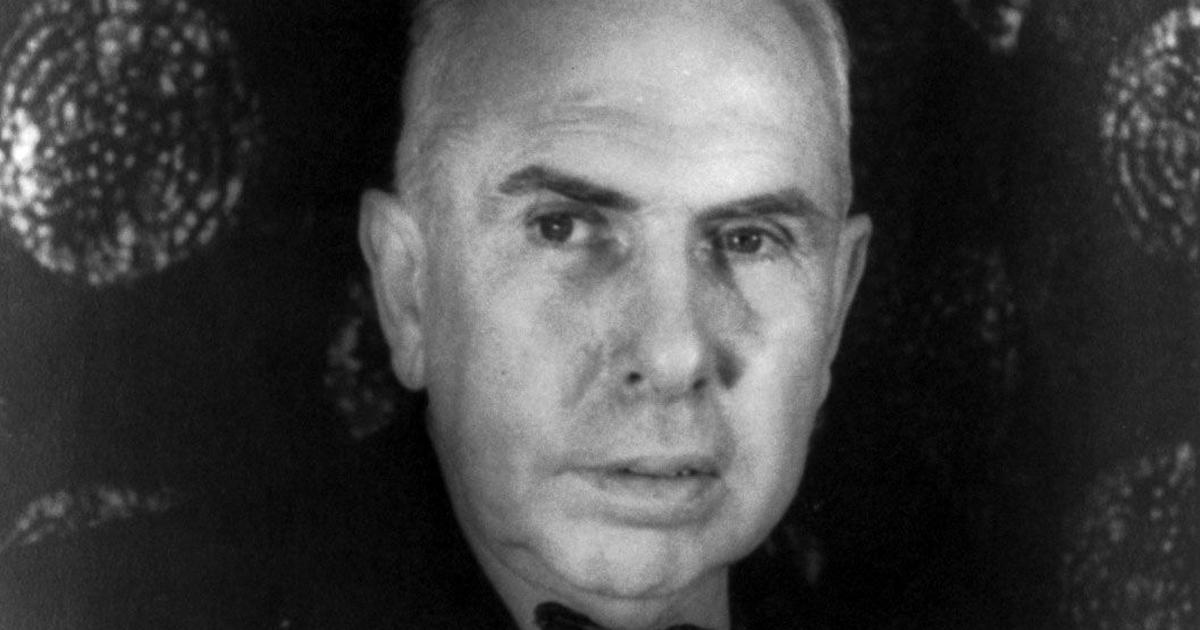
Published over a century ago, Theodore Dreiser’s Sister Carrie remains a seminal work in American literature, resonating with readers for its profound exploration of the human condition and the complexities of urban life. The novel tells the story of Caroline Meeber, a young woman who leaves her small-town roots in search of a better life in Chicago. Her journey encapsulates the essence of the American Dream, as she navigates the challenges and opportunities of the burgeoning metropolis.
At the heart of Sister Carrie lies the theme of individualism. Carrie, as she is often called, embodies the aspirations of many at the turn of the 20th century, when cities were seen as beacons of hope and progress. Dreiser paints a vivid picture of Chicago, a city pulsating with energy, ambition, and the possibility of reinvention. The urban landscape, filled with both opulence and despair, serves as a backdrop for Carrie’s transformation from a naive country girl to a woman driven by her desires and ambitions.
As Carrie embarks on her journey, she encounters various characters who influence her path. Her relationships with men, particularly with Drouet and Hurstwood, highlight the complexities of love, ambition, and the often harsh realities of societal expectations. Dreiser’s portrayal of these relationships goes beyond mere romance; it delves into the economic and social dynamics of the time, demonstrating how personal choices are intertwined with broader societal forces.
Dreiser does not shy away from critiquing the American Dream. While Carrie seeks personal fulfillment and success, her journey is fraught with moral ambiguities and societal judgments. The novel raises important questions about the cost of ambition and the sacrifices one must make in pursuit of their dreams. Carrie's rise to fame is juxtaposed with her struggles, illustrating the reality that the path to success is often paved with difficult choices and personal compromises.
The novel is rich with symbolism that enhances its themes. The city itself represents both opportunity and peril, reflecting the dual nature of urban life. Carrie's experiences are emblematic of the broader societal shifts occurring during the Industrial Revolution, where traditional values were challenged by modernity and individual pursuits. Dreiser’s use of naturalism further reinforces this idea, as characters are often seen as products of their environment, shaped by their social and economic circumstances.
Sister Carrie has left an indelible mark on literature and continues to be studied for its innovative narrative style and its exploration of complex themes. The novel was controversial at the time of its publication due to its candid portrayal of sexuality, class struggle, and moral ambiguity. Despite initial backlash, it has since gained recognition as a pioneering work that paved the way for future generations of writers to explore similar themes of individualism and societal critique.
In the contemporary context, Sister Carrie remains relevant as it speaks to the ongoing struggles of individuals in urban settings. The pursuit of dreams in the face of societal barriers is a narrative that continues to resonate with many today. As cities evolve and the nature of the American Dream transforms, Carrie's story serves as a reminder of the timeless quest for identity, belonging, and success in an ever-changing world.
In conclusion, Theodore Dreiser's Sister Carrie is more than just a reflection of its time; it is a profound exploration of the human spirit and the quest for individual identity amidst the chaos of urban life. As we delve into Carrie's story, we are invited to reflect on our own dreams and the societal constructs that shape them. This classic novel not only offers a glimpse into the past but also provides valuable insights into the challenges that persist in the modern landscape of ambition and aspiration.


Loading more news...
You've reached the end of our news feed. Check back later for more updates!