
Sports
Study Xi, Read Confessions, March In Formation: Inside China's Ideological Training Camp
```html
```
Study Xi, Read Confessions, March In Formation: Inside China's Ideological Training Camp
In recent years, China's ideological training camps have gained international attention, sparking debates about human rights, freedom of belief, and state control. These facilities are designed to instill loyalty to the Communist Party and its leader, Xi Jinping, among participants. The daily routines in these camps are meticulously structured, reflecting the regime's emphasis on discipline and conformity. Participants, who often come from ethnic minority groups or have been accused of dissent, engage in various activities that serve to reinforce party ideology and suppress individual thought.
A Day in the Life of a Camp Participant
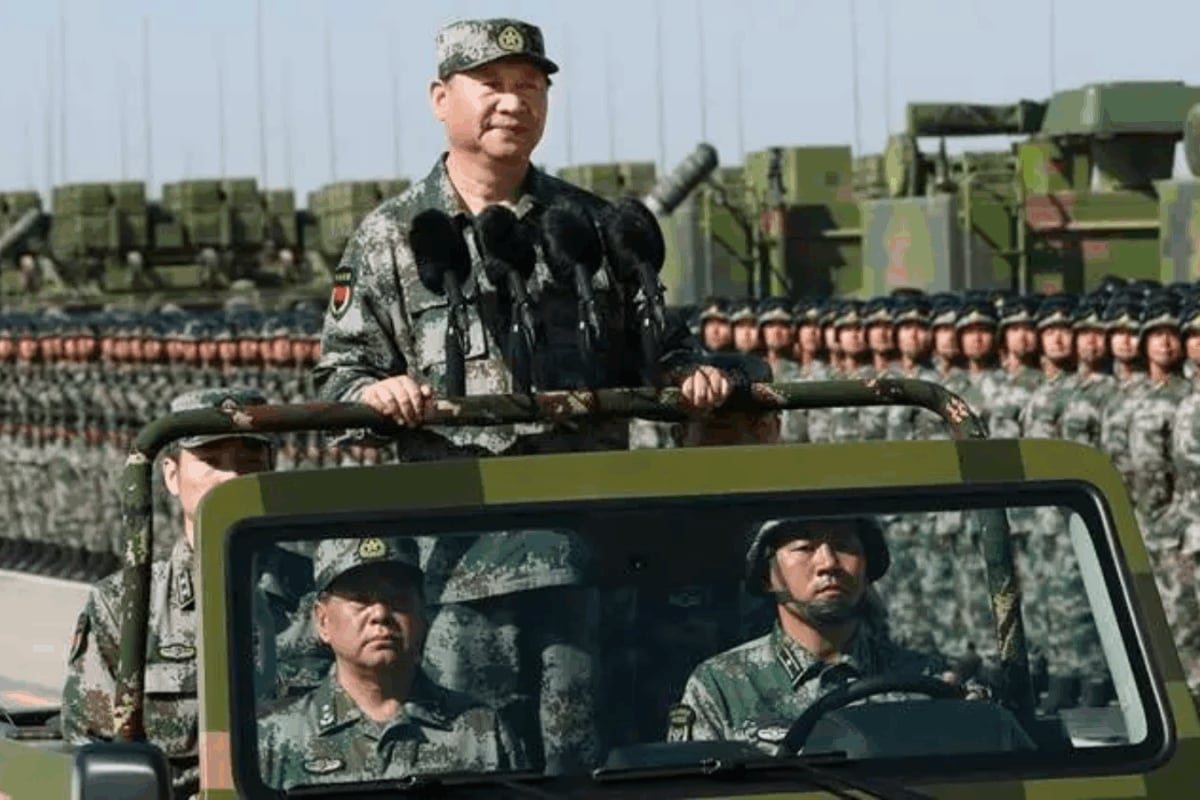
The daily routine of camp participants begins early in the morning, often with military drills that emphasize physical fitness and teamwork. These drills are not just about exercise; they are a means of instilling a sense of camaraderie and loyalty among the participants. Following the drills, participants engage in marching exercises, which are designed to promote a sense of order and discipline. The sound of synchronized footsteps and chants fills the air, creating an atmosphere that resembles a military training ground.
After the physical activities, participants gather for oath-taking ceremonies. These ceremonies are crucial moments where individuals pledge their allegiance to the Communist Party and its principles. The solemnity of the occasion is matched by the gravity of the words spoken; participants are reminded of their duty to support the state and uphold its ideologies. This ritual serves as a powerful reminder of the overarching purpose of the camp: to eliminate dissent and foster a unified belief in party doctrine.
Education Through Indoctrination
Education within these camps is centered around the teachings of Xi Jinping and the Communist Party's foundational texts. Participants are required to study Xi's speeches and the party's ideological materials, often for several hours each day. This focus on ideological education is not merely academic; it is a form of indoctrination aimed at reshaping the participants' beliefs and reinforcing their loyalty to the state. The materials presented to them are carefully curated to exclude any perspectives that may challenge the party's authority.
In addition to the study of official texts, participants are often made to read confessions from those who have publicly renounced their previous beliefs or actions against the state. These confessions serve dual purposes: they act as cautionary tales for the participants, illustrating the consequences of dissent, and they reinforce the idea that loyalty to the party is paramount. The emotional weight of these narratives is designed to create a sense of fear and urgency, compelling individuals to conform to the party's expectations.
Group Activities and Social Control
Group activities play a significant role in the camp's operations. Participants often engage in communal singing, where songs that promote party loyalty and discipline are sung in unison. These songs are not merely for entertainment; they are tools of social control that help to foster a collective identity among the participants. By singing together, individuals are encouraged to see themselves as part of a larger movement, erasing personal identities in favor of a unified collective.
Moreover, the camps utilize psychological techniques to break down individual resistance and promote conformity. Participants are often subjected to constant surveillance, with guards monitoring their interactions and behaviors at all times. This environment creates a sense of paranoia and fear, as individuals may feel they are always being watched and judged. This tactic is designed to suppress any rebellious thoughts or actions, ensuring that compliance becomes the only viable option.
Implications and Global Reactions
The existence of these ideological training camps has drawn widespread condemnation from human rights organizations and foreign governments. Critics argue that the camps are a violation of basic human rights, as they strip individuals of their freedom of thought and expression. Reports from former participants describe experiences of psychological trauma and emotional distress, leading to calls for international intervention and accountability for the Chinese government.
Despite the backlash, the Chinese government has defended these camps as necessary measures for national security and social stability. They argue that the programs are aimed at combating extremism and fostering a harmonious society. However, this narrative is met with skepticism by many observers who view the camps as a means of cultural assimilation and political repression.
The Future of Ideological Training in China
As China continues to evolve, the future of these ideological training camps remains uncertain. While the government may maintain these facilities as a tool of control, increasing global scrutiny and pressure may lead to changes in their operations or even their eventual dismantling. The international community's response will be critical in shaping the narrative surrounding these camps and advocating for the rights of those affected by them.
In conclusion, the ideological training camps in China represent a complex intersection of state power, individual rights, and cultural identity. The daily routines within these camps are carefully designed to promote loyalty and suppress dissent, raising profound questions about the nature of freedom and the lengths to which a government will go to maintain control over its citizens.
```
More News You Might Like


Loading more news...
You've reached the end of our news feed. Check back later for more updates!