Politics
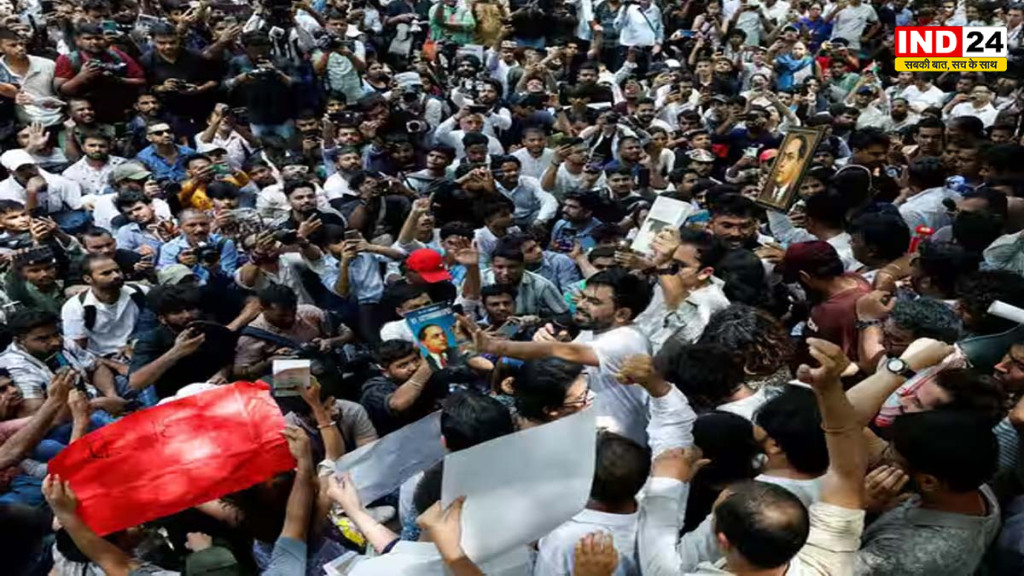
धरना-प्रदर्शनों का नया कारोबार: लोकतंत्र की आड़ में आखिर किसके हित साधे जा रहे हैं?
October 10, 2026
1,612 views
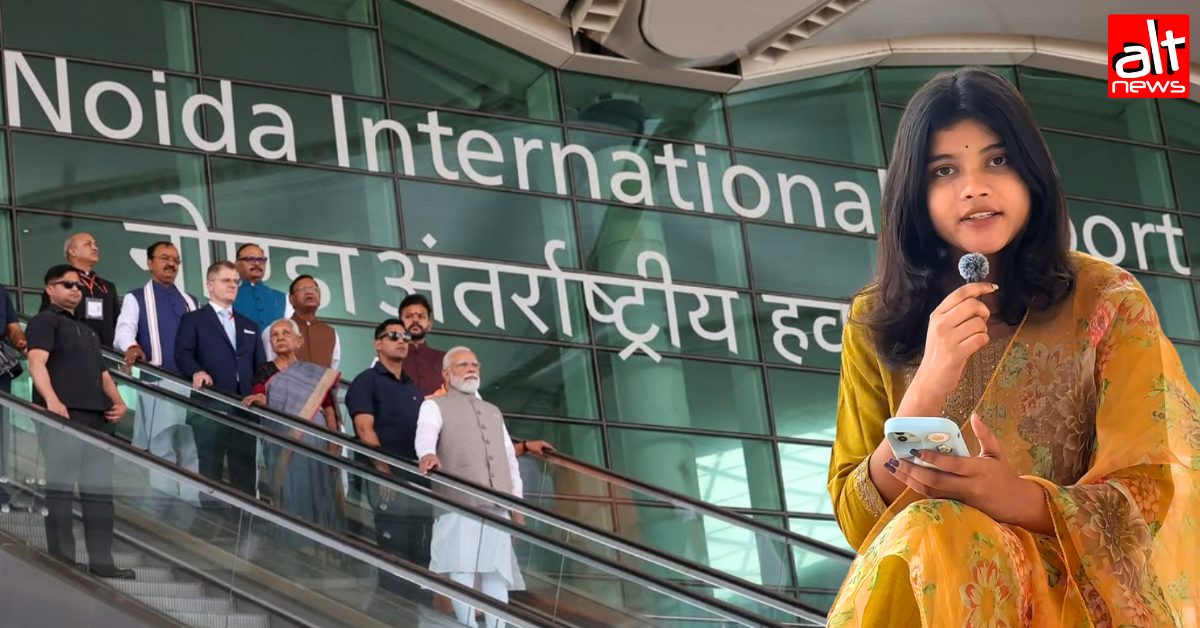
In a striking incident that has sparked conversations about freedom of expression and the role of social media in contemporary India, a college student from Greater Noida has publicly voiced his dissatisfaction after being compelled to attend a political event featuring Prime Minister Narendra Modi. The event, held on a sweltering day with temperatures soaring to 29°C, became a focal point of contention due to the uncomfortable conditions under which the students were made to participate. The student's subsequent Instagram vlog, which captured his sardonic take on the experience, was reportedly withheld by authorities, raising questions about censorship and digital rights in the country.
On March 30, 2026, the student, whose identity remains undisclosed, attended an event organized by the Bharatiya Janata Party (BJP) where Prime Minister Modi was the chief guest. According to reports, students from various colleges were enlisted to fill the audience, creating an atmosphere that some described as forced participation rather than enthusiastic support. The oppressive heat only added to the discomfort, with many students expressing their displeasure at being required to attend such events during class hours.
The student's Instagram vlog, which was filmed amidst the crowd, captured the essence of his discontent. While the production quality was unremarkable, the authenticity of his feelings resonated with many viewers. In his video, he humorously highlighted the absurdity of the situation, juxtaposing the political fervor of the event with the mundane reality of being a college student coerced into attending. The vlog quickly gained traction among peers and sparked discussions on social media platforms about the implications of such mandatory attendance.
However, the situation took a dramatic turn when the student's Instagram video was withheld within India. This action has raised eyebrows and ignited debates about the government's stance on social media content that challenges or critiques its policies. Critics argue that such measures reflect a broader trend of censorship that stifles dissent and limits the ability of citizens to express their opinions freely.
Instagram, a platform known for its diverse range of content creators, has become a vital space for young people to voice their thoughts and experiences. The withholding of the vlog has not only deprived the student of his right to share his narrative but has also raised concerns about the implications for future content creators who may wish to discuss political issues openly. The incident has drawn parallels with previous instances of censorship in India, where voices critical of the government have faced scrutiny and suppression.
This incident also highlights a growing trend of student activism in India, where young voices are increasingly challenging the status quo. From protests against controversial legislation to demands for better educational facilities, students have been at the forefront of social movements. The student's experience resonates with many who feel marginalized by political processes that do not consider their views.
As India continues to navigate its complex political landscape, incidents like this serve as a reminder of the delicate balance between governance and individual freedoms. The student's experience underscores the need for greater transparency and accountability from political leaders, particularly when it comes to engaging with younger generations. The weather may have been sweltering, but the implications of forced participation in political events are far more chilling.
In response to the incident, several student organizations have rallied in support of the Greater Noida student, emphasizing the importance of standing up against coercive practices in educational settings. They argue that while political engagement is crucial, it should not come at the expense of students' comfort or autonomy. This collective response reflects a growing consciousness among students who are more informed and willing to challenge authority.
The incident involving the Greater Noida student and the withheld Instagram vlog has opened up a larger dialogue about youth engagement in politics, the role of social media, and the importance of protecting freedom of expression in India. As the nation grapples with these issues, it is imperative that the voices of its young citizens are not only heard but also respected. The future of democracy in India may very well depend on the willingness of its youth to speak out and challenge the narratives imposed upon them.
Ultimately, this incident serves as a critical reminder that while political events may be organized with fanfare, the voices of those who participate—especially students—deserve to be honored and acknowledged. As they navigate the complexities of their education and the political landscape, young people must have the freedom to express their views without fear of censorship or retribution.

Loading more news...
You've reached the end of our news feed. Check back later for more updates!