The Importance of Recognizing Stroke Symptoms: "Prevention is the Best Medicine"
Introduction
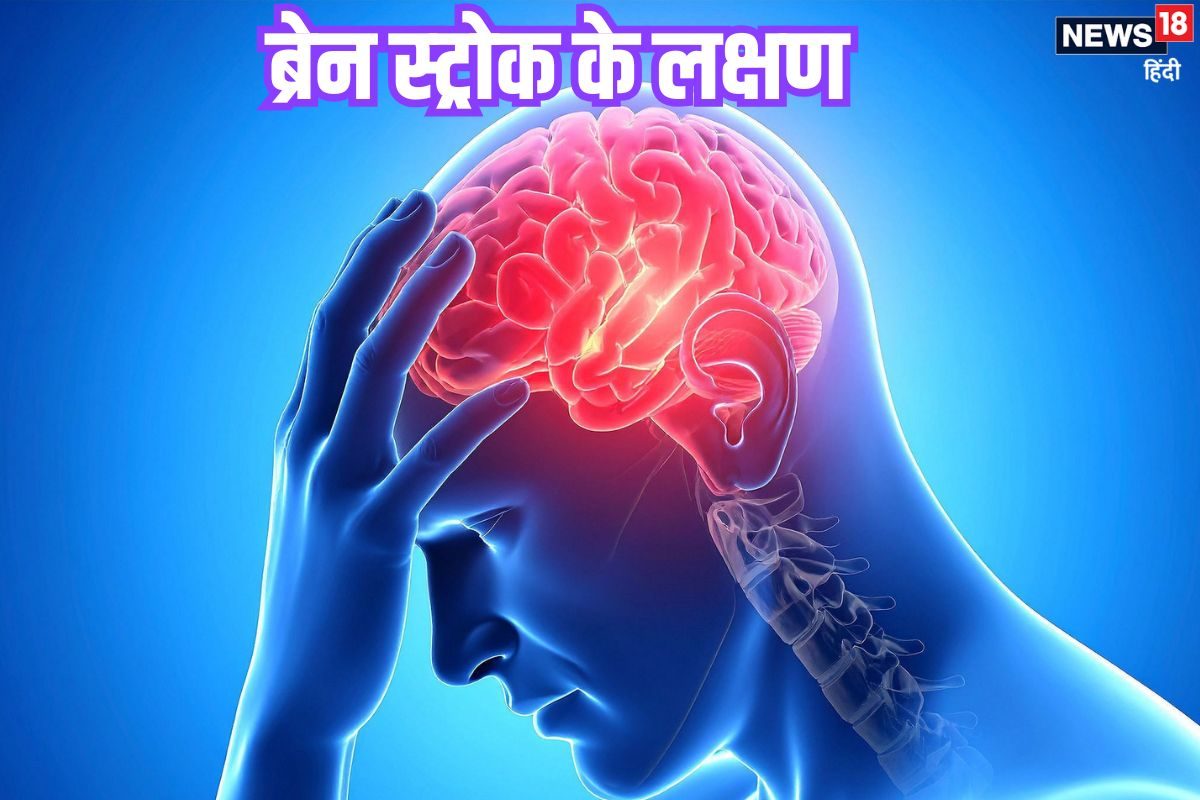
Stroke, also known as brain attack, is a life-threatening medical condition that requires prompt attention. It occurs when blood flow to the brain is interrupted, causing brain cells to die. Every minute counts, as the sooner treatment is administered, the better the chances of recovery. In this article, we will delve into the importance of recognizing stroke symptoms and how the "Prevention is the Best Medicine" formula can help save lives.
What is a Stroke?
A stroke is a medical emergency that occurs when the blood supply to the brain is interrupted. This can happen due to a blockage or rupture of blood vessels in the brain, leading to a reduction in oxygen and nutrient supply to the brain cells. This can cause brain cells to die, leading to permanent damage or even death.
Causes of Stroke
There are several risk factors that can increase the likelihood of experiencing a stroke. These include:
* High blood pressure
* High cholesterol
* Diabetes
* Smoking
* Obesity
* Family history of stroke
* Sedentary lifestyle
Symptoms of Stroke
Stroke symptoms can be subtle and may not always be immediately apparent. However, recognizing the signs and symptoms of a stroke is crucial in reducing the risk of long-term damage or death. The most common symptoms of a stroke include:
* Sudden weakness or numbness in the face, arm, or leg
* Sudden confusion or trouble speaking or understanding speech
* Sudden trouble seeing in one or both eyes
* Sudden trouble walking, dizziness, or loss of balance
* Sudden severe headache with no known cause
* Numbness or tingling in the face, arm, or leg
The "Prevention is the Best Medicine" Formula
Preventing a stroke is far better than treating one. The "Prevention is the Best Medicine" formula involves a combination of lifestyle changes and medical interventions. Here are some ways to reduce the risk of stroke:
* Lifestyle Changes: Maintain a healthy diet, exercise regularly, quit smoking, and manage stress.
* Medical Interventions: Control high blood pressure, manage diabetes, and take medications as prescribed by your doctor.
* Screenings and Check-Ups: Regular health check-ups can help identify potential risk factors and allow for early intervention.
Conclusion
Recognizing stroke symptoms and taking steps to prevent a stroke can help save lives. By understanding the causes and symptoms of a stroke, and taking steps to prevent it, individuals can reduce their risk of experiencing a stroke. As the old adage goes, "Prevention is the Best Medicine." By incorporating the "Prevention is the Best Medicine" formula into their daily lives, individuals can take control of their health and reduce their risk of stroke.
Nishkarsh
In conclusion, recognizing stroke symptoms and taking steps to prevent a stroke is crucial in reducing the risk of long-term damage or death. By understanding the causes and symptoms of a stroke, and taking steps to prevent it, individuals can take control of their health and reduce their risk of stroke. Remember, every minute counts, and prompt attention is essential in reducing the risk of stroke-related complications.