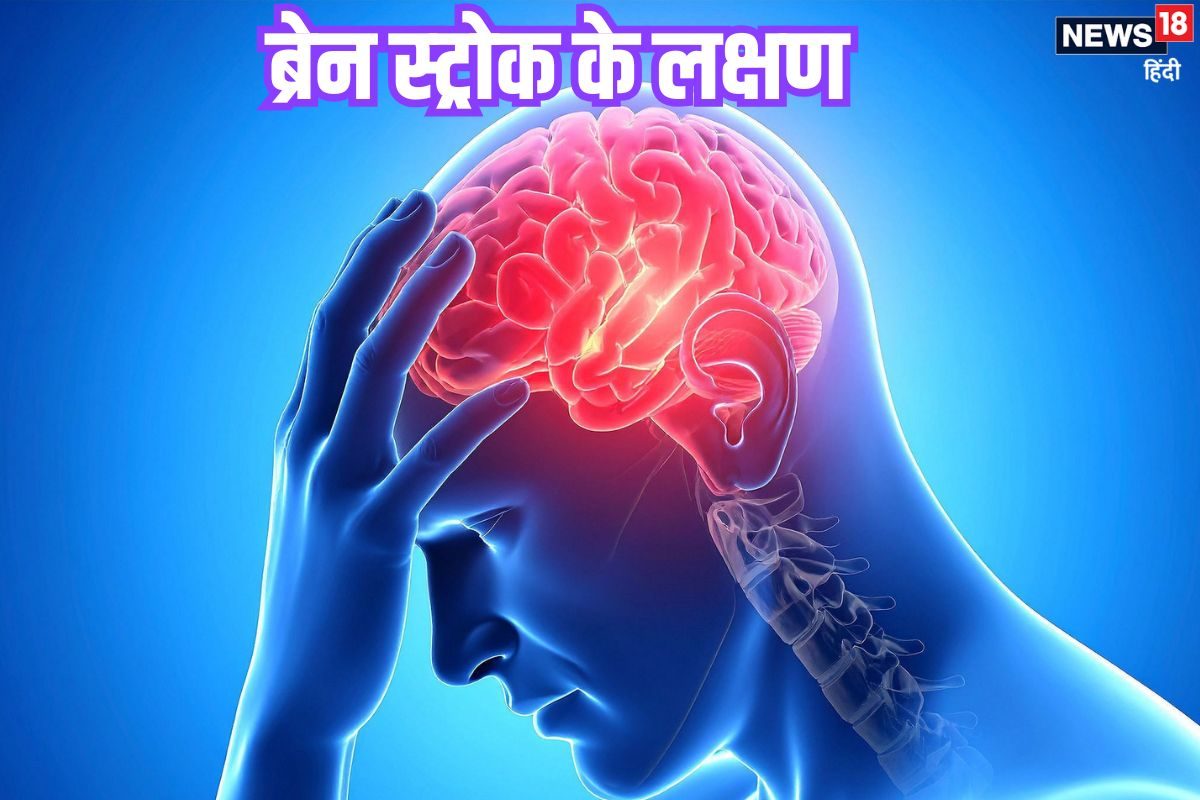
Stroke: Don't Ignore the Warning Signs, "Prevention" is the Formula for Survival
Stroke, or brain attack, is a serious and potentially life-threatening condition. It occurs when the blood supply to the brain is interrupted, causing brain cells to be damaged or die. In such situations, every minute counts, as timely treatment significantly increases the chances of recovery.
What is a Stroke?
A stroke occurs when the blood vessels in the brain become blocked or rupture, disrupting the flow of oxygen-rich blood to the brain. This can happen due to various reasons such as high blood pressure, atherosclerosis (buildup of plaque in the arteries), blood clots, or heart problems. When the brain cells are deprived of oxygen, they start to die, leading to permanent damage and potentially life-threatening consequences.
Warning Signs of a Stroke
Recognizing the warning signs of a stroke is crucial in saving lives. The American Stroke Association recommends using the acronym F.A.S.T. to identify the signs:
F - Face: Ask the person to smile. Does one side of their face droop?
A - Arm: Ask the person to raise both arms. Does one arm drift downward?
S - Speech: Ask the person to repeat a simple sentence. Is their speech slurred or difficult to understand?
T - Time: Time is of the essence. If the person shows any of these symptoms, call emergency services immediately.
Prevention is the Best Medicine
While timely treatment is essential, prevention is the best medicine. Here are some ways to reduce the risk of stroke:
* Maintain a healthy weight: Excess weight increases the risk of stroke, so maintaining a healthy weight through a balanced diet and regular exercise is crucial.
* Exercise regularly: Regular physical activity can help lower blood pressure, improve circulation, and reduce the risk of stroke.
* Eat a balanced diet: Focus on whole foods, fruits, vegetables, and whole grains. Avoid foods high in salt, sugar, and saturated fats.
* Manage blood pressure: High blood pressure is a significant risk factor for stroke. Work with your doctor to manage your blood pressure through medication and lifestyle changes.
* Don't smoke: Smoking is a significant risk factor for stroke. Quitting smoking can significantly reduce the risk of stroke and other cardiovascular diseases.
* Manage stress: High stress levels can increase blood pressure and contribute to the risk of stroke. Practice stress-reducing techniques such as meditation, yoga, or deep breathing exercises.
The Importance of Timely Treatment
If a stroke occurs, prompt medical treatment is essential to minimize damage and improve outcomes. The sooner treatment is received, the better the chances of survival and recovery. Treatment options may include:
* Thrombolytic therapy: Medications that dissolve blood clots and restore blood flow to the brain.
* Surgery: Surgical procedures to remove blood clots or repair damaged blood vessels.
* Rehabilitation: Physical, occupational, and speech therapy to help patients recover and regain function.
Conclusion
Stroke is a devastating condition that can have long-term consequences if not treated promptly. Recognizing the warning signs, taking preventive measures, and seeking medical attention immediately are crucial in saving lives. By staying informed and taking proactive steps, we can reduce the risk of stroke and improve outcomes for those affected. Remember, every minute counts, and timely treatment is the key to survival and recovery.