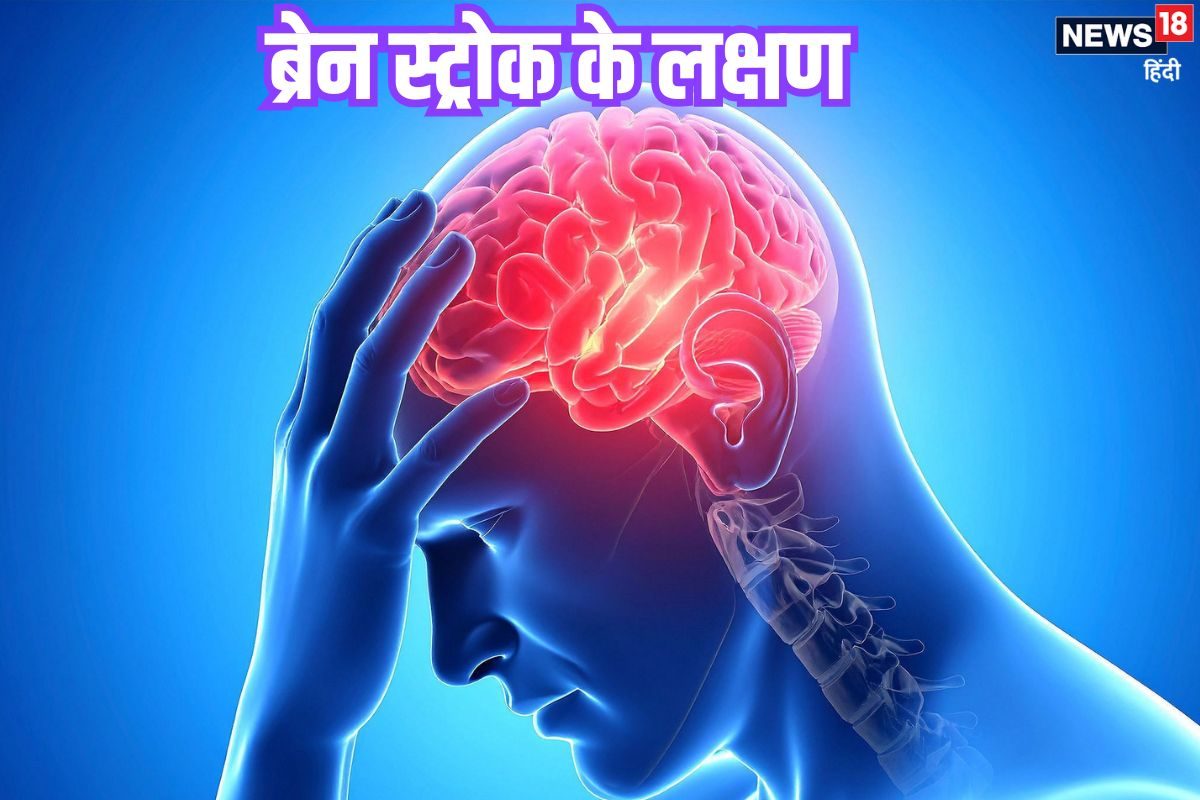
The Silent Killer: Don't Ignore the Warning Signs, 'Prevention' is the Cure
Introduction
Strokes, also known as brain attacks, are a serious and potentially life-threatening condition. It occurs when a blood clot blocks the flow of blood to the brain, damaging brain cells. With every passing minute, the chances of recovery decrease, making prompt medical attention crucial. In this article, we will delve into the warning signs of a stroke, the importance of timely treatment, and the 'prevention' formula to help you stay ahead of this silent killer.
What is a Stroke?
A stroke occurs when the blood supply to the brain is interrupted, causing brain cells to die or become damaged. This can happen due to various reasons, including:
* High blood pressure
* Blood clots
* Atherosclerosis (hardening of the arteries)
* Heart disease
* Diabetes
* Smoking
* Obesity
Warning Signs of a Stroke
Recognizing the warning signs of a stroke is crucial to timely treatment. The National Institutes of Health (NIH) has identified the following warning signs, known as F.A.S.T.:
1. Facial weakness: Slurred speech, drooping eyelid, or difficulty smiling.
2. Arm weakness: Sudden numbness, tingling, or weakness in the arm.
3. Speech difficulty: Slurred speech, difficulty speaking, or understanding speech.
4. Time: Time is of the essence. If you or someone you know is experiencing these warning signs, call emergency services immediately.
The Importance of Timely Treatment
Every minute counts in the treatment of a stroke. The sooner medical attention is received, the better the chances of recovery. Delayed treatment can lead to:
* Permanent brain damage
* Long-term disability
* Even death
Prevention is the Cure
Prevention is the best way to avoid a stroke. A healthy lifestyle, combined with regular check-ups and screenings, can significantly reduce the risk of a stroke. The 'prevention' formula includes:
1. Eat a balanced diet: Focus on whole foods, fruits, vegetables, and whole grains.
2. Exercise regularly: Aim for at least 30 minutes of moderate-intensity exercise, five days a week.
3. Maintain a healthy weight: Aim for a body mass index (BMI) between 18.5 and 24.9.
4. Get enough sleep: Aim for 7-8 hours of sleep per night.
5. Manage stress: Engage in stress-reducing activities, such as meditation, yoga, or deep breathing exercises.
6. Quit smoking: Smoking is a significant risk factor for stroke.
7. Monitor blood pressure: Keep blood pressure under control through regular checks and medication, if necessary.
8. Get regular check-ups: Regular check-ups with your doctor can help identify potential health issues early on.
Conclusion
Strokes are a silent killer, but with awareness and knowledge, you can take control of your health. By recognizing the warning signs, seeking timely treatment, and following the 'prevention' formula, you can significantly reduce the risk of a stroke. Remember, prevention is the best way to avoid a stroke, and every minute counts in the treatment of this serious condition. Don't ignore the warning signs, and take the first step towards a healthier, happier you.