
Business
Invetech & MeMed win 2026 Good Design Award Gold for MeMed Key™
October 9, 2026
2,539 views
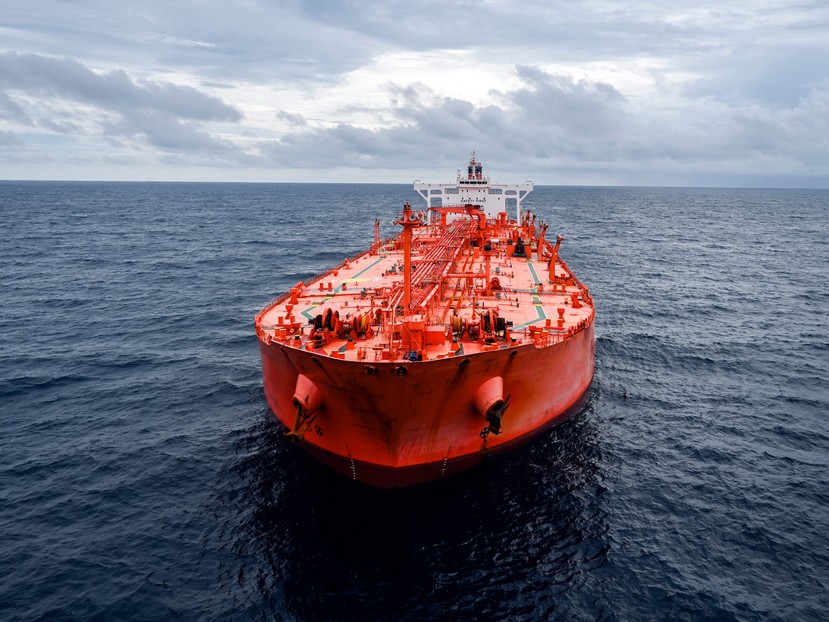
Tanker traffic through the Strait of Hormuz has eased since late last week as vessel owners and operators remain cautious amid the renewed hostilities between Iran and the United States this weekend. On Friday and Saturday, the US Central Command (CENTCOM) forces conducted strikes against multiple targets in Iran, in response to attacks on two vessels near the Strait of Hormuz. The Thursday attack on the container ship Ever Lovely prompted some shipowners to pull back and wait for additional information about how safe transiting the Strait is.
The Strait of Hormuz is a crucial waterway through which approximately 20% of the world's oil supply passes. The recent military actions have raised concerns among shipping companies about the safety of their vessels in this strategically important region. Following the strikes, many shipping lines have reported a significant decrease in the number of tankers willing to navigate these waters, opting instead to delay their journeys or reroute to avoid potential conflict zones.
Industry experts suggest that the ongoing military tension could have far-reaching implications not only for tanker traffic but also for global oil prices. The volatile nature of the region means that any hint of instability can trigger immediate fluctuations in the oil market, affecting economies worldwide.
In light of the recent events, several shipping companies have adopted a more conservative approach. Insurance premiums for vessels operating in the Strait of Hormuz have surged, as underwriters assess the increased risk associated with potential military confrontations. Some companies have opted to reroute their vessels around the Cape of Good Hope, significantly increasing transit times and operational costs.
Additionally, shipping operators are enhancing their security measures and protocols to safeguard their crews and cargo. This includes hiring private security contractors to accompany vessels through the Strait, as well as utilizing advanced surveillance technologies to monitor maritime traffic and potential threats.
The recent strikes and the subsequent slowdown in tanker traffic underscore the fragile geopolitical landscape in the Middle East. Analysts warn that continued escalation between the U.S. and Iran could lead to broader conflict, which would not only disrupt shipping but also have severe implications for regional stability.
The U.S. has maintained a robust military presence in the Gulf region, citing the need to ensure freedom of navigation and protect vital shipping lanes. However, Iran has vowed to respond vigorously to any perceived aggression, raising the stakes in this ongoing conflict. The potential for miscalculation or accidental escalation remains high, particularly as both sides continue to engage in provocative actions.
Looking ahead, the future of tanker traffic through the Strait of Hormuz remains uncertain. While some shipping analysts believe that traffic will eventually resume as tensions ease, others caution that the underlying issues driving hostilities between the U.S. and Iran are unlikely to be resolved quickly.
Furthermore, the ongoing developments could lead to a longer-term reevaluation of maritime routes by shipping companies. The prospect of sustained military engagement in the region may push operators to consider alternative routes and logistical strategies, fundamentally altering the dynamics of global shipping.
The recent military strikes in Iran have cast a shadow over the critical shipping routes of the Strait of Hormuz, leading to a significant slowdown in tanker traffic. As vessel owners and operators navigate this uncertain landscape, the implications for global oil supply and pricing remain a pressing concern. With geopolitical tensions showing no signs of abating, the maritime industry must remain vigilant and adaptable to the evolving risks associated with transiting this vital waterway.

Loading more news...
You've reached the end of our news feed. Check back later for more updates!