
Politics
రాష్ట్ర ప్రజలకు కార్తీక పౌర్ణమి, గురునానక్ జయంతి శుభాకాంక్షలు: మంత్రి నారా లోకేశ్
November 24, 2026
684 views
Srinagar MP Aga Ruhullah Mehdi taunts J&K Police, asks if pro-Iran tweet will trigger ‘third FIR’
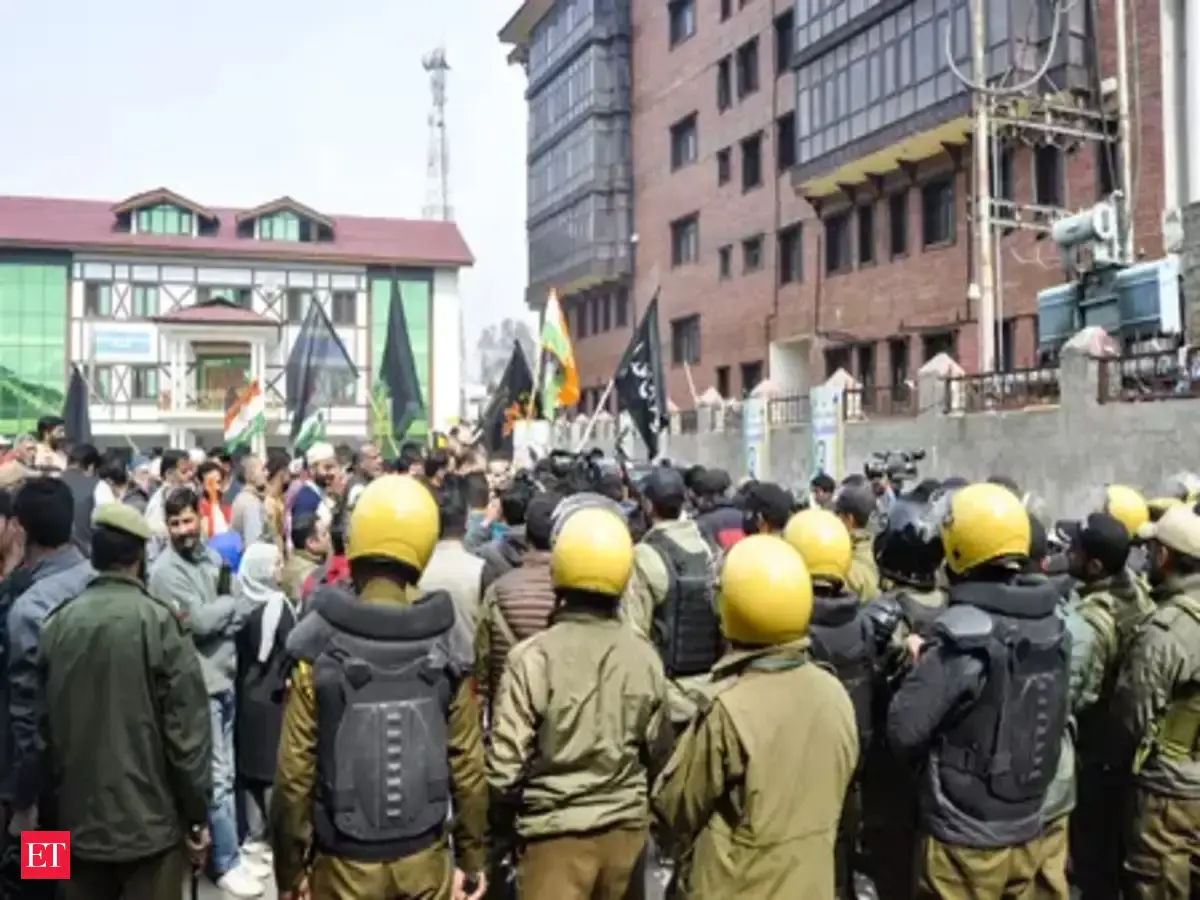
Srinagar MP Aga Ruhullah Mehdi has recently found himself at the center of a political storm after questioning the Jammu and Kashmir police regarding the possibility of a third FIR against him. His remarks came in the wake of his pro-Iran and anti-Israel/US statements, which have drawn significant attention and criticism. Mehdi's vocal stance during a series of pro-Iran protests has not only highlighted his political views but has also raised important questions about the limits of free speech in contemporary India.
The backdrop of this controversy is the delicate political landscape of Jammu and Kashmir, a region that has been a focal point of conflict and tension for decades. Mehdi, representing the People's Democratic Party (PDP), has been a vocal critic of various government policies, particularly those related to foreign relations and regional security. His statements, perceived by some as inflammatory, have resulted in the filing of two FIRs against him. These legal actions have been justified by authorities on the grounds of maintaining public order and preventing the spread of misinformation.
Mehdi's public declarations have included strong criticism of U.S. foreign policy in the Middle East and support for Iran, a nation often at odds with Western powers. His comments have sparked outrage among certain groups and have led to accusations of promoting discord within the community. The Jammu and Kashmir police have been under pressure to take action in response to his statements, which they believe could incite unrest. In a recent social media post, Mehdi sarcastically questioned whether he should prepare for a third FIR, indicating both his defiance and the absurdity he perceives in the ongoing legal actions against him.
The legal implications of Mehdi's situation highlight a broader issue regarding freedom of speech in India. The Indian Constitution guarantees the right to free speech, but this right is not absolute. Laws such as the Unlawful Activities (Prevention) Act (UAPA) and various provisions of the Indian Penal Code (IPC) can be invoked against individuals whose statements are deemed to threaten national security or public order. This legal framework has been criticized by many as being used selectively to stifle dissent and control political discourse.
Mehdi’s political adversaries have seized upon the situation to further their own agendas. Some have accused him of using incendiary rhetoric to gain attention and rally support, while others argue that his comments reflect a growing trend of anti-establishment sentiment among youth in the region. The PDP, under Mehdi’s leadership, has faced increasing scrutiny from both national and local parties, which view the pro-Iran stance as a liability in a politically charged environment.
Despite the controversies surrounding him, Mehdi has garnered a significant amount of public support, particularly among younger constituents who resonate with his views on foreign policy and social justice. His supporters argue that his right to express dissenting opinions should be protected and that the FIRs represent an attempt to silence voices that challenge the status quo. Social media platforms have become arenas for this debate, with hashtags supporting Mehdi trending in various circles.
The unfolding situation surrounding Aga Ruhullah Mehdi serves as a microcosm of the larger struggles facing political figures in Jammu and Kashmir. As tensions continue to rise, the implications for future political discourse in the region become increasingly significant. Will Mehdi's situation inspire more politicians to voice their opinions, or will it serve as a cautionary tale about the potential repercussions of speaking out? Only time will tell.
Aga Ruhullah Mehdi's predicament raises critical questions about the balance between free speech and public order in India. As he navigates the legal challenges posed by his statements, the political ramifications of this situation will likely resonate well beyond the borders of Jammu and Kashmir. The conversation surrounding his case highlights the ongoing struggle for voices of dissent in an environment that is increasingly polarized and scrutinized.
Loading more news...
You've reached the end of our news feed. Check back later for more updates!