Sri Lanka Opens Doors to the World: Digital Nomad Visa and Extended Tourist Stays Signal New Era of Tourism
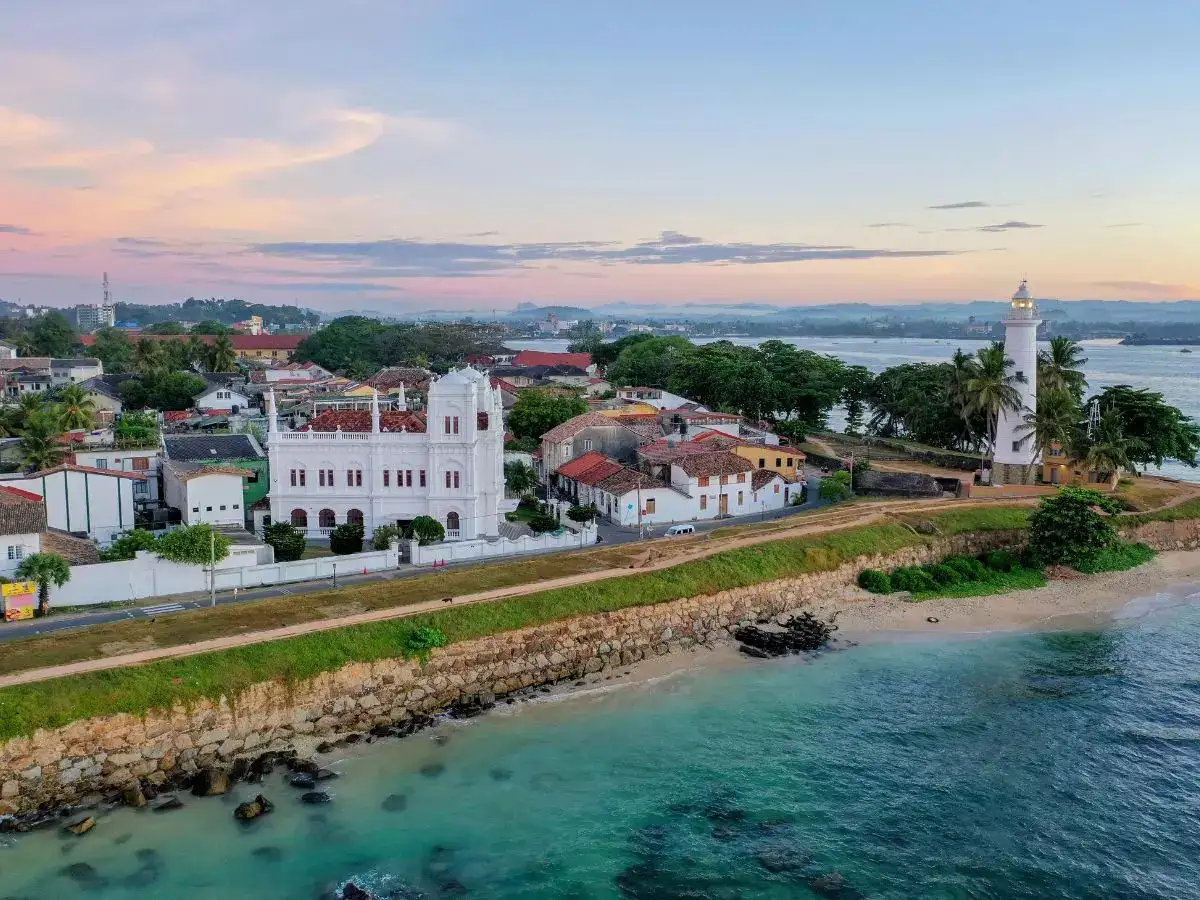
Colombo, Sri Lanka – In a significant move to revitalize its tourism sector and attract a new breed of traveler, Sri Lanka has officially launched its long-anticipated digital nomad visa. Coupled with a relaxation of existing tourist visa regulations, offering extended validity periods, these initiatives aim to position the island nation as a premier destination for remote workers and long-term explorers alike.
The introduction of the "Sri Lanka Work from Anywhere" visa, as it's officially known, marks a strategic pivot for the nation's tourism strategy. Recognizing the burgeoning global trend of remote work, the government is actively seeking to harness the economic potential of digital nomads who can contribute to the local economy without requiring traditional employment within the country.
Applicants for the digital nomad visa can apply for a 180-day stay, with the possibility of extension for a further 180 days, effectively allowing for a full year of residence. This generous timeframe provides ample opportunity for individuals to immerse themselves in Sri Lanka's rich culture, stunning natural landscapes, and vibrant communities. To qualify, applicants will need to demonstrate a stable remote income and secure health insurance. Specific details regarding income thresholds and application procedures are expected to be released imminently, with the aim of streamlining the process for international applicants.
Beyond the dedicated digital nomad offering, Sri Lanka has also significantly eased its traditional tourist visa rules. Tourists can now enjoy extended visa validity periods, providing greater flexibility for those seeking to explore the island at a more leisurely pace. While the exact duration of these extended stays for general tourists is yet to be fully clarified, the move signals a clear intention to encourage longer visits and foster deeper engagement with the country.
These policy changes come at a crucial time for Sri Lanka's tourism industry, which is a vital contributor to its economy. The government's proactive approach aims to attract a diverse range of visitors, from seasoned backpackers and culture enthusiasts to entrepreneurs and freelancers. The digital nomad visa, in particular, is expected to draw individuals who can offer a consistent and valuable economic contribution through their spending on accommodation, food, activities, and local services.
Key benefits anticipated from these new visa policies include:
* Economic Boost: Digital nomads and long-term tourists are expected to inject significant revenue into local businesses, supporting a wide range of sectors.
* Cultural Exchange: The presence of longer-staying visitors will foster greater understanding and exchange between local communities and international residents.
* Diversification of Tourism: The initiatives aim to move beyond traditional short-stay tourism, attracting a demographic that values extended immersion and experience.
* Global Recognition: Sri Lanka's proactive approach to digital nomadism positions it as a forward-thinking and welcoming destination on the global travel map.
While the precise operational details of the digital nomad visa and the full scope of the extended tourist visa validity are still emerging, the announcement has been met with widespread optimism. Tourism stakeholders, hospitality providers, and local businesses are anticipating a positive impact on the industry.
"This is a game-changer for Sri Lanka," commented [Insert a hypothetical quote from a tourism official or business owner, e.g., "Mr. Rohan Perera, CEO of the Sri Lanka Tourism Development Authority"]. "By embracing the digital nomad trend and making it easier for tourists to stay longer, we are not only opening our doors wider but also inviting a new wave of economic and cultural enrichment. We are confident that Sri Lanka's unique blend of breathtaking landscapes, rich heritage, and warm hospitality will prove irresistible to this growing global community."
As Sri Lanka continues to navigate its economic recovery and rebuild its vital tourism sector, these progressive visa reforms represent a bold and strategic step towards a more resilient and diversified future for the island nation. The "Pearl of the Indian Ocean" is poised to welcome a new era of travelers, eager to work, explore, and experience all that this captivating destination has to offer.