The Crimson Tide of Chikungunya: A Looming Pandemic Across Europe as Climate Change Fuels Mosquito Menace
From the Sun-Kissed Shores of Spain to the Misty Isles of England, a Potent Threat Emerges: The \"Bone-Breaking\" Virus Carried by Mosquitoes Casts a Shadow Over 29 European Nations
Introduction: A Silent Invasion Under a Warming Sky
The idyllic landscapes of Europe, renowned for their rich history, diverse cultures, and picturesque vistas, are now facing an unprecedented biological threat. Climate change, a pervasive and increasingly undeniable force, is fundamentally altering ecosystems and creating fertile ground for invasive species to thrive. Among the most insidious of these unwelcome guests are the mosquitoes, vectors of debilitating diseases that once seemed confined to tropical and subtropical climes. Today, a chilling warning echoes across the continent: chikungunya, a viral illness characterized by agonizing joint pain and debilitating fever, is poised to spread its reach across a staggering 29 European countries. This formidable challenge is amplified by the adaptability of the *Aedes albopictus* mosquito, commonly known as the Asian tiger mosquito, which, according to groundbreaking new research, is demonstrating an alarming capacity to transmit the virus even in cooler temperatures, pushing the boundaries of its previously understood geographical and seasonal limitations. Reports of hundreds of cases already emerging in nations like France and Italy serve as stark harbingers of the widespread outbreak predicted to unfold. The moniker \"bone-breaking\" virus, a visceral descriptor of the relentless and debilitating pain it inflicts, is no longer an exaggeration but a grim reality for those affected, and a potent warning for millions yet to encounter its devastating grip.
The Invisible Architect of the Threat: Climate Change and its Cascade of Consequences
The intricate web of factors contributing to the escalating chikungunya threat in Europe is undeniably rooted in the accelerating phenomenon of climate change. For decades, scientific consensus has pointed towards rising global temperatures, altered precipitation patterns, and more frequent extreme weather events as hallmarks of a changing planet. These macro-level shifts have profound and often unpredictable micro-level consequences, particularly for organisms with short life cycles and specific environmental requirements, such as mosquitoes.
1. Elevated Temperatures and Extended Breeding Seasons: The most direct impact of rising global temperatures is the creation of more hospitable environments for mosquito proliferation. Warmer average temperatures directly correlate with extended mosquito breeding seasons. What were once brief periods of intense mosquito activity in the warmer months are now lengthening, providing more opportunities for these insects to reproduce, mature, and, consequently, spread disease. This extension of the breeding season means that mosquitoes are present and capable of transmitting pathogens for a greater portion of the year, increasing the overall risk of human exposure.
2. Geographic Expansion of Vector Habitats: As temperatures rise, regions previously considered too cool for the survival and establishment of certain mosquito species are becoming increasingly viable habitats. The *Aedes albopictus* mosquito, originally from Southeast Asia, has proven remarkably adept at adapting to temperate climates. Its ability to tolerate a wider range of temperatures, particularly in its egg and larval stages, means that its geographical range is expanding northward and westward across Europe. This expansion is not merely anecdotal; it is a documented consequence of warming trends, with the mosquito now firmly established in regions where it was once a rare or non-existent visitor.
3. Altered Rainfall Patterns and Water Availability: Climate change also influences rainfall patterns, leading to both increased instances of drought and more intense periods of rainfall. While it might seem counterintuitive, both extremes can contribute to mosquito breeding. During droughts, water sources become concentrated, potentially creating ideal breeding grounds in artificial containers like discarded tires, buckets, and plant pots that collect even small amounts of stagnant water. Conversely, heavy rainfall can create numerous temporary pools and waterlogged areas, also providing ample breeding sites for mosquito larvae. The unpredictability of these patterns makes proactive mosquito control measures more challenging.
4. Increased Human Mobility and Globalization: While not a direct consequence of climate change, globalization and increased international travel play a crucial role in the rapid dissemination of both mosquito species and the viruses they carry. The interconnectedness of the modern world means that infected individuals or mosquitoes can travel vast distances in a matter of hours, inadvertently introducing pathogens to new regions. Climate change exacerbates this by creating suitable environments for these introduced species to establish themselves and breed, thus perpetuating the cycle of transmission.
The Menacing Vector: Unpacking the *Aedes Albopictus* Mosquito
The *Aedes albopictus*, or Asian tiger mosquito, is the primary vector responsible for the escalating chikungunya threat in Europe. This seemingly innocuous insect, characterized by its distinctive white stripes on its legs and body, possesses a formidable arsenal of traits that make it a particularly effective disease transmitter.
1. Aggressive Biting Habits: Unlike some other mosquito species that tend to be more active at dawn and dusk, the Asian tiger mosquito is diurnal, meaning it bites throughout the day, particularly during the early morning and late afternoon. This aggressive biting behavior increases the chances of human exposure and, consequently, disease transmission. Furthermore, they are known to readily bite humans, even in brightly lit areas, further enhancing their efficiency as vectors.
2. Prolific Breeding in Artificial Containers: A critical factor in the success of *Aedes albopictus* is its remarkable ability to breed in small, artificial containers that collect even minimal amounts of stagnant water. This includes everyday items such as flower pots, saucers, birdbaths, discarded tires, gutters, and even bottle caps. This adaptability allows them to thrive in urban and suburban environments, areas with high human population density, thereby maximizing their potential to infect large numbers of people. They do not require large bodies of water; a thimbleful of water is sufficient for them to lay their eggs.
3. Cold Tolerance and Adaptability: The most concerning development, highlighted by recent studies, is the *Aedes albopictus* mosquito\'s increasing resilience to cooler temperatures. While traditionally associated with warmer climates, the species has demonstrated an ability to survive and even overwinter in temperate regions. This is often achieved through the survival of their eggs, which are resistant to desiccation and cold. Once temperatures rise sufficiently, these eggs hatch, initiating new breeding cycles. This enhanced cold tolerance is a direct consequence of evolutionary adaptation, potentially driven by the selective pressures of a changing climate, and it significantly expands the geographical and seasonal window for chikungunya transmission.
4. Efficient Viral Transmission: The Asian tiger mosquito is a highly efficient vector for the chikungunya virus. Once it ingests the virus by biting an infected individual, the virus replicates within the mosquito, and the insect becomes capable of transmitting it to other humans with subsequent bites. This efficient transmission cycle is a key reason why chikungunya can spread rapidly within a population once introduced.
The Virulent Passenger: Understanding Chikungunya Virus
Chikungunya is a formidable arbovirus, meaning it is transmitted by arthropods, in this case, mosquitoes. The virus, belonging to the *Alphavirus* genus, causes a debilitating illness that, while rarely fatal, can leave individuals with prolonged and severe health consequences.
1. The \"Bone-Breaking\" Affliction: The hallmark symptom of chikungunya is the abrupt onset of fever, often accompanied by severe and incapacitating joint pain. This arthralgia is the defining characteristic of the disease and the reason for its evocative nickname. The pain can affect multiple joints, including the wrists, ankles, fingers, and toes, and can be so intense that it significantly impairs mobility, making even simple daily tasks excruciatingly difficult. This pain can persist for weeks, months, or even years after the initial infection, leading to chronic joint inflammation and a significant reduction in quality of life.
2. Other Common Symptoms: Beyond the debilitating joint pain and fever, chikungunya can manifest with a range of other symptoms, including:
* Headache: A persistent and often severe headache is a common complaint.
* Muscle Pain (Myalgia): Widespread muscle aches and soreness can further contribute to the feeling of being completely debilitated.
* Rash: A maculopapular rash, typically appearing a few days after the onset of fever, can cover the torso, limbs, and face.
* Fatigue: Profound exhaustion and a lack of energy are typical, exacerbating the impact of the other symptoms.
* Nausea and Vomiting: Some individuals may experience gastrointestinal distress.
* Conjunctivitis: Inflammation of the conjunctiva, leading to red and watery eyes, can also occur.
3. The Chronic Phase: A Lingering Nightmare: While the acute phase of chikungunya typically lasts for a week or two, a significant percentage of individuals enter a chronic phase characterized by persistent joint pain and inflammation. This chronic arthralgia can significantly impact their ability to work, participate in social activities, and enjoy a normal life. In some cases, it can lead to a diagnosis of chronic arthritis, requiring long-term management and potentially leading to joint damage.
4. Vulnerable Populations: While chikungunya can affect individuals of all ages, certain groups are at higher risk of developing more severe illness. These include:
* Infants: Neonatal chikungunya, acquired from an infected mother during childbirth, can be particularly severe, with symptoms including fever, rash, neurological complications, and even death.
* Elderly Individuals: Older adults are more prone to experiencing severe symptoms and complications.
* Individuals with Underlying Health Conditions: Those with pre-existing conditions such as diabetes, heart disease, or kidney disease may be at increased risk of developing severe manifestations of the virus.
The Expanding Horizon: Europe\'s 29 Nations Under Threat
The chilling prediction that chikungunya could wreak havoc across 29 European countries underscores the profound impact of climate change on disease vectors and their geographical spread. This expanded threat landscape is no longer a theoretical concern; it is a tangible and growing reality.
1. The Established Hotspots: France and Italy as Early Warning Signs: The mention of France and Italy as countries already grappling with hundreds of chikungunya cases serves as a critical early warning. These nations, with their diverse climates and established populations of *Aedes albopictus*, have become inadvertent laboratories for understanding the unfolding threat. The number of cases, even if currently in the hundreds, signifies a sustained transmission cycle, indicating that the virus has taken root and is actively spreading within their populations. This is not merely a few imported cases; it suggests local transmission and establishment of the mosquito vector.
2. The Broadening Spectrum: Predicting the 29 Nations: The projection of 29 countries signifies a substantial portion of the European continent being at risk. While specific lists are often subject to evolving scientific models and data, it is reasonable to infer that this includes a diverse range of nations with varying climatic conditions and levels of preparedness. This likely encompasses:
* Southern European Nations: Countries with historically warmer climates such as Spain, Portugal, Greece, Croatia, and parts of the Balkans, where *Aedes albopictus* has been present for longer periods and is well-established, are at the forefront of the risk.
* Central European Nations: As temperatures continue to rise, countries like Germany, Austria, Switzerland, Hungary, and parts of Eastern Europe, previously considered at lower risk due to cooler temperatures, are now increasingly vulnerable. The adaptation of the *Aedes albopictus* to cooler conditions is the key factor here.
* Western European Nations: Even countries with traditionally temperate climates like the United Kingdom, Belgium, the Netherlands, and parts of France, are not immune. The establishment of the *Aedes albopictus* in parts of these regions, coupled with warmer summers and milder winters, creates a viable environment for chikungunya transmission.
* Nordic Countries (with caveats): While the extreme northern regions of Scandinavia may remain too cold for sustained *Aedes albopictus* populations, southern parts of these countries could experience periods of increased risk, particularly during exceptionally warm summers. The risk here might be more seasonal and dependent on introduced mosquitoes rather than established populations.
3. The Mechanism of Spread: From Established Populations to New Territories: The spread of chikungunya to these 29 countries will occur through a multi-pronged approach:
* Local Transmission within Established Vector Areas: In regions where *Aedes albopictus* is already prevalent, such as parts of Italy and France, continued warm weather and adequate stagnant water sources will facilitate local transmission cycles.
* Introduction and Establishment in New Areas: As the *Aedes albopictus* expands its range northward and westward due to climate change, it will be introduced into new regions. If suitable breeding conditions are present, these introduced populations can establish themselves, creating new areas at risk.
* Human Travel: Infected travelers carrying the virus to areas with competent mosquito vectors will initiate new outbreaks. This is particularly concerning for areas where the mosquito vector is newly establishing or where public awareness is low.
The Scientific Underpinning: New Studies and Evolving Understanding
The dire warnings are not born from speculation but from rigorous scientific inquiry and evolving understanding of the chikungunya virus and its vector. The mention of \"new studies\" indicates that researchers are actively investigating and documenting the changing dynamics of this threat.
1. Cold Tolerance Research: The core of the alarming prognosis lies in recent research that demonstrates the *Aedes albopictus* mosquito\'s enhanced ability to survive and transmit chikungunya at lower temperatures. These studies likely involve laboratory experiments exposing mosquitoes to varying temperature regimes and observing their survival rates, reproductive cycles, and the viability of the virus within them. They might also involve field studies monitoring mosquito populations and viral presence in regions that were previously considered unsuitable.
2. Climate Modeling and Risk Assessment: Advanced climate modeling plays a crucial role in predicting the future distribution of mosquito vectors and the potential for disease outbreaks. These models incorporate data on temperature projections, precipitation patterns, and the ecological requirements of mosquito species to estimate areas at increased risk. The \"29 countries\" figure is likely a product of such comprehensive modeling efforts.
3. Surveillance and Early Detection: The recognition of emerging cases in France and Italy highlights the importance of robust public health surveillance systems. These systems are designed to detect unusual patterns of illness, track the spread of infectious diseases, and identify the presence of invasive mosquito species. Early detection is paramount in mitigating the impact of any outbreak.
4. Genetic Adaptation Studies: Researchers may also be investigating the genetic makeup of *Aedes albopictus* populations in Europe to understand the mechanisms behind their adaptation to cooler climates. Identifying specific genes or mutations that confer cold tolerance could provide valuable insights into their evolutionary trajectory and future expansion potential.
The Silent Symphony of Symptoms: A Closer Look at the \"Bone-Breaking\" Experience
The descriptor \"bone-breaking\" is not hyperbole; it encapsulates the profound physical torment that chikungunya inflicts. Understanding the nuances of these symptoms is crucial for appreciating the full scope of the threat.
1. The Acute Agony: A Sudden Onset of Torment: The onset of chikungunya is typically sudden and dramatic. Patients often describe a rapid escalation of symptoms within a few hours. The fever can be high, often exceeding 39°C (102°F), and is accompanied by a profound sense of malaise. However, it is the joint pain that immediately dominates the experience.
2. The Nature of the Joint Pain: The arthralgia associated with chikungunya is multifaceted and intensely debilitating:
* Symmetry: Often, the pain is symmetrical, affecting the same joints on both sides of the body. This can lead to a feeling of being uniformly crippled.
* Location: While the small joints of the hands and feet are frequently affected, the knees, ankles, wrists, and elbows can also experience severe pain.
* Intensity: The pain is described as deep, throbbing, and often excruciating. It can be constant or come in waves, making it difficult to find a comfortable position.
* Swelling and Stiffness: The affected joints may also become swollen and inflamed, further limiting range of motion. Morning stiffness, similar to that experienced in rheumatoid arthritis, can be a significant problem.
* Functional Impairment: The sheer intensity of the pain often renders individuals unable to perform basic tasks. Walking can become a monumental effort, gripping objects can be agonizing, and even sleeping can be disrupted by the discomfort. This functional impairment is the core of the \"bone-breaking\" experience.
3. The Rash: A Visible Manifestation of Illness: The chikungunya rash is typically a maculopapular rash, characterized by flat, red areas often with small raised bumps. It usually appears a few days after the fever and can spread across the body. While often itchy, it is usually not the most concerning symptom compared to the joint pain.
4. The Lingering Shadow: Chronic Chikungunya: The insidious nature of chikungunya lies in its potential to transition into a chronic phase. For a significant proportion of infected individuals (estimates vary but can range from 20% to over 80% in some studies), the joint pain and inflammation do not fully resolve. This chronic arthralgia can persist for months, even years, and can lead to:
* Persistent Pain and Stiffness: Daily life becomes a struggle against constant discomfort and restricted movement.
* Reduced Mobility and Quality of Life: The ability to work, engage in hobbies, and participate in social activities is severely compromised. Many individuals experience a significant decline in their overall quality of life.
* Psychological Impact: Chronic pain and disability can lead to anxiety, depression, and social isolation.
* Potential for Joint Damage: In some cases, chronic inflammation may lead to secondary joint damage, further exacerbating the long-term consequences.
The Imperative for Action: Prevention, Preparedness, and Public Health
The escalating threat of chikungunya across Europe necessitates a robust and multi-faceted approach involving public health authorities, researchers, and the general public.
1. Enhanced Surveillance and Early Warning Systems:
* Mosquito Monitoring: Continued and expanded surveillance of *Aedes albopictus* populations is crucial. This includes tracking their geographic distribution, population densities, and seasonal activity patterns. Identifying new areas of establishment is paramount.
* Human Health Surveillance: Strengthening systems for detecting and reporting chikungunya cases, as well as other mosquito-borne diseases, is vital. This includes rapid laboratory diagnostics and efficient data reporting mechanisms.
* International Cooperation: Sharing data and best practices among European nations is essential for a coordinated response.
2. Vector Control Strategies: A Multi-Pronged Attack:
* Integrated Pest Management (IPM): A comprehensive IPM approach is the most effective strategy. This involves a combination of methods:
* Source Reduction: The most critical element is eliminating mosquito breeding sites. This involves educating the public on the importance of regularly emptying and cleaning artificial containers that can hold stagnant water. Community-wide efforts to remove discarded tires and other debris are also vital.
* Larviciding: Applying larvicides to water bodies that cannot be eliminated can prevent mosquito larvae from developing into adults.
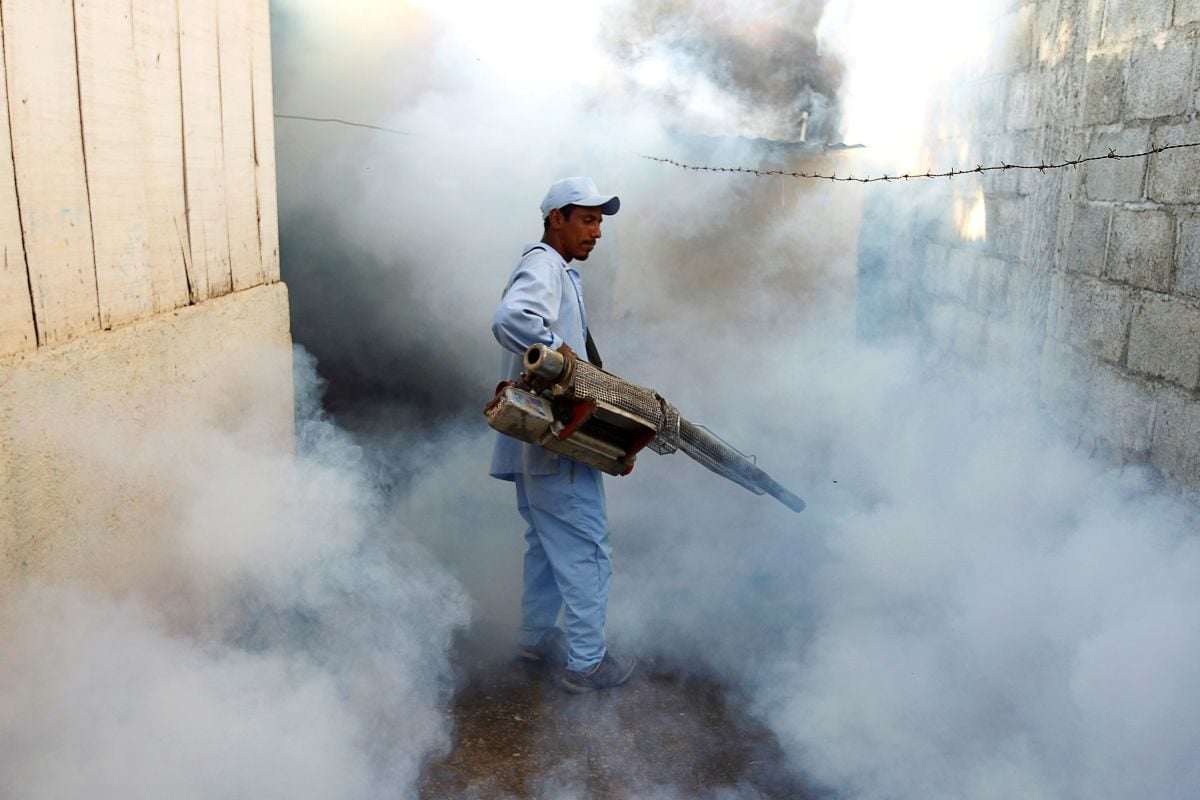
* Adulticiding: The use of insecticides to kill adult mosquitoes can be employed during outbreaks or in areas with high mosquito densities, but this is generally a less sustainable and environmentally friendly approach than source reduction.
* Biological Control: Exploring and implementing biological control agents, such as certain fish species that prey on mosquito larvae in larger water bodies, can also be considered.
* Targeted Interventions: Focusing control efforts on areas with high human population density and established *Aedes albopictus* presence is essential.
3. Public Awareness and Education Campaigns:
* Informing the Public: Educating the public about chikungunya, its symptoms, and, most importantly, how to prevent mosquito bites and eliminate breeding sites is fundamental. Campaigns should emphasize personal protection measures such as using insect repellent, wearing long sleeves and pants, and installing mosquito screens on windows and doors.
* Community Engagement: Encouraging community involvement in mosquito control efforts, such as neighborhood clean-up drives to eliminate breeding sites, can significantly enhance prevention strategies.
* Traveler Information: Providing information to travelers about the risks of chikungunya in endemic and emerging areas, along with preventative measures, is crucial to prevent the introduction of the virus to new regions.
4. Research and Development:
* Vaccine Development: While a chikungunya vaccine is currently available in some regions, its widespread availability and efficacy across diverse populations are still areas of ongoing research and development. Investment in vaccine research is crucial for long-term disease control.
* Diagnostic Tools: Improving the speed and accessibility of diagnostic tests for chikungunya is important for timely diagnosis and management.
* Understanding Viral Evolution: Continued research into the evolution and adaptation of the chikungunya virus and its vectors will provide critical insights for future prediction and control strategies.
5. Climate Change Mitigation and Adaptation:
* Addressing the Root Cause: Ultimately, the long-term solution to the growing threat of mosquito-borne diseases lies in addressing the root cause: climate change. Reducing greenhouse gas emissions and transitioning to sustainable energy sources are imperative.
* Climate-Resilient Public Health Systems: Public health systems need to be adapted to the realities of a changing climate, becoming more resilient to emerging infectious disease threats.
Conclusion: A Call to Vigilance in the Face of a Warming World
The specter of chikungunya casting its \"bone-breaking\" shadow over 29 European nations is a stark and urgent reminder of the profound interconnectedness between environmental change and human health. The adaptability of the *Aedes albopictus* mosquito, fueled by rising global temperatures, is pushing the boundaries of disease transmission, transforming previously low-risk regions into potential hotspots. The growing number of cases in France and Italy serves as a chilling prelude to a wider continental crisis.
This is not a distant threat; it is a present and escalating reality demanding immediate and comprehensive action. While the scientific understanding of the virus and its vector continues to evolve, the imperative for robust public health measures, proactive vector control, and widespread public awareness has never been greater. From emptying garden pots to supporting global efforts to mitigate climate change, each individual and each nation has a role to play in stemming the crimson tide of chikungunya. The future health and well-being of millions across Europe depend on our collective vigilance and our unwavering commitment to confronting this insidious challenge born from a warming world. The time for complacency is over; the time for decisive action is now.