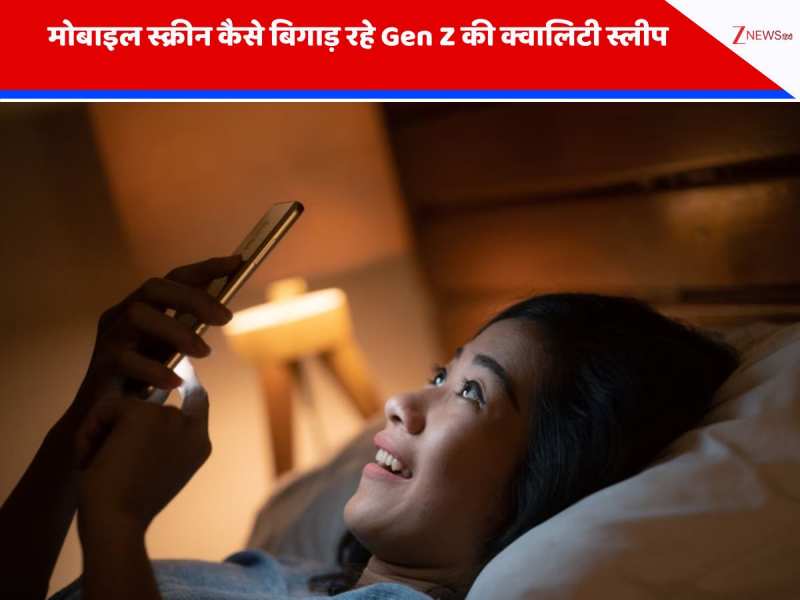
The Sleeping Giant: How Social Media Reels and Late-Night Mobile Screen Time are Affecting Gen Z's Quality Sleep and Mental Health
As the digital age continues to evolve, a new generation of young adults, known as Gen Z, is increasingly reliant on social media and mobile devices to stay connected and entertained. However, this relentless pursuit of online engagement is taking a toll on their quality sleep and mental health. In this article, we will delve into the far-reaching consequences of late-night screen time and social media reels on Gen Z's sleep patterns and mental well-being.
The Sleep Epidemic
Sleep is a vital component of overall health, yet it is an aspect that is often neglected in today's fast-paced digital world. The National Sleep Foundation recommends that adults aged 18-25 aim for 7-9 hours of sleep each night. However, a recent survey conducted by the American Academy of Sleep Medicine found that nearly 60% of Gen Z adults reported getting less than 7 hours of sleep per night. This chronic sleep deprivation can have devastating consequences on an individual's physical and mental health.
The Impact of Late-Night Screen Time
The widespread use of mobile devices and social media platforms has led to a culture of constant connectivity. Gen Z adults are accustomed to scrolling through their feeds, watching videos, and engaging with friends and family well into the night. While this may seem harmless, research suggests that exposure to screens and blue light in the evening can disrupt the body's natural sleep-wake cycle. A study published in the journal Sleep Health found that individuals who used electronic devices for at least an hour before bedtime were more likely to experience sleep disturbances and daytime fatigue.
The Effects of Social Media Reels
Social media platforms, such as TikTok and Instagram, have become an integral part of Gen Z's daily lives. These platforms are designed to be highly engaging, with endless streams of content and notifications that can activate the brain's reward system. While social media can be a valuable tool for self-expression and connection, excessive use can lead to addiction and negative impacts on mental health. A study by the Royal Society for Public Health found that social media use is associated with increased symptoms of depression, anxiety, and loneliness.
The Consequences of Chronic Sleep Deprivation
The consequences of chronic sleep deprivation are far-reaching and can have long-lasting effects on an individual's mental and physical health. Prolonged sleep deprivation can lead to impaired cognitive function, mood disturbances, and increased risk of obesity, diabetes, and cardiovascular disease. Furthermore, sleep deprivation can also lead to decreased attention span, memory lapses, and decreased reaction time.
Breaking the Cycle
Breaking the cycle of late-night screen time and social media addiction requires a multifaceted approach. Here are some strategies that Gen Z adults can use to improve their sleep quality and mental health:
1. Establish a bedtime routine: Develop a relaxing pre-sleep routine, such as reading a book, taking a warm bath, or practicing gentle stretches.
2. Limit screen time: Set a deadline for electronic device use and avoid screens for at least an hour before bedtime.
3. Use blue light filtering glasses or apps: Blue light filtering glasses or apps can help reduce the impact of screens on the body's natural sleep-wake cycle.
4. Practice social media detox: Take regular breaks from social media to reduce the risk of addiction and negative impacts on mental health.
5. Seek professional help: If chronic sleep deprivation or mental health concerns persist, seek professional help from a healthcare provider or mental health professional.
Conclusion
The impact of late-night screen time and social media reels on Gen Z's quality sleep and mental health is a pressing concern that requires immediate attention. By establishing healthy sleep habits, limiting screen time, and practicing social media detox, Gen Z adults can take the first steps towards improving their overall well-being. It is essential for parents, educators, and healthcare providers to educate and support Gen Z adults in developing healthy digital habits and prioritizing their sleep and mental health. By doing so, we can help create a healthier and more resilient generation.