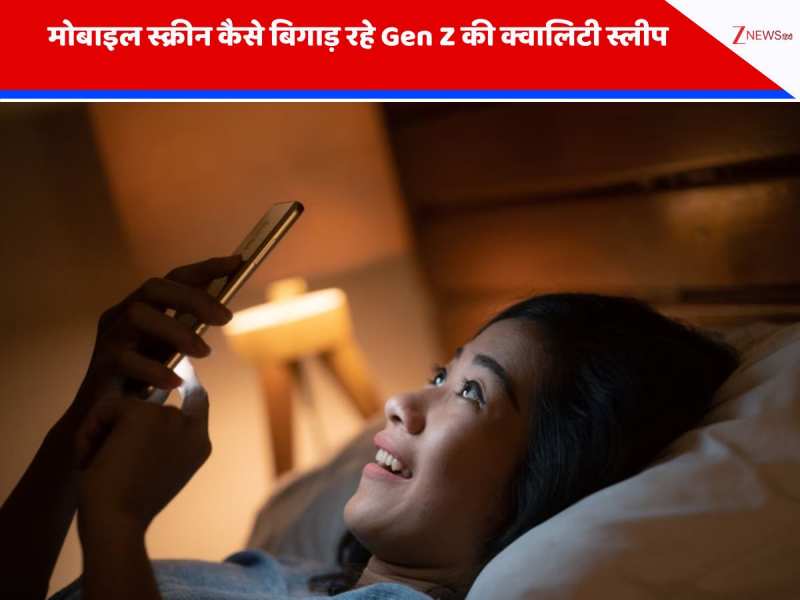
The Dark Side of Social Media and Mobile Screens: How Gen Z's Quality Sleep is Being Compromised
Introduction
The rise of social media and mobile screens has revolutionized the way we live, work, and communicate. However, this digital era has also brought forth a plethora of concerns regarding the impact of excessive screen time on our physical and mental well-being. One of the most significant concerns is the compromise of quality sleep, particularly among the younger generation, Gen Z.
The Problem of Late-Night Screens and Mobile Use
The widespread use of social media and mobile screens has become a norm, with many individuals using these devices as a means to unwind after a long day. However, this habit is not only affecting sleep quality but also having a profound impact on mental health. The constant exposure to screens and the constant stream of notifications can lead to a state of hyperarousal, making it difficult to fall asleep and stay asleep.
The Consequences of Sleep Deprivation
Sleep deprivation is a growing concern, with many individuals experiencing fatigue, irritability, and difficulty concentrating. Moreover, sleep deprivation can also lead to a range of serious health issues, including obesity, diabetes, and cardiovascular disease. The National Sleep Foundation estimates that 30% of adults in the United States experience sleep deprivation, with 10% reporting that they get less than 4 hours of sleep per night.
The Impact on Mental Health
The impact of sleep deprivation on mental health is equally concerning. Research has shown that sleep deprivation can lead to increased symptoms of anxiety and depression, as well as decreased cognitive function. The constant stress of modern life, combined with the demands of social media, can lead to a state of hyperarousal, making it difficult to relax and unwind.
The Role of Social Media in Sleep Deprivation
Social media, in particular, has been linked to sleep deprivation. The constant stream of notifications, the pressure to present a perfect online persona, and the fear of missing out (FOMO) can all contribute to a sense of anxiety and stress, making it difficult to fall asleep. Moreover, the blue light emitted by smartphones and tablets can suppress the production of melatonin, the hormone responsible for regulating sleep.
The Solution: A Balanced Approach to Screen Time
While the benefits of social media and mobile screens are undeniable, it is essential to adopt a balanced approach to screen time. By setting boundaries, such as limiting screen time before bed, and incorporating relaxing activities, such as reading or meditation, individuals can reduce the risk of sleep deprivation and promote better sleep quality.
Conclusion
The compromise of quality sleep, particularly among Gen Z, is a pressing concern that requires immediate attention. The widespread use of social media and mobile screens has led to a culture of constant connectivity, which can have detrimental effects on our physical and mental well-being. By adopting a balanced approach to screen time and prioritizing sleep, we can promote better health, well-being, and overall quality of life.
Key Takeaways
* The widespread use of social media and mobile screens is compromising quality sleep among Gen Z.
* Sleep deprivation can lead to a range of serious health issues, including obesity, diabetes, and cardiovascular disease.
* The constant stress of modern life, combined with the demands of social media, can lead to a state of hyperarousal, making it difficult to relax and unwind.
* A balanced approach to screen time, including setting boundaries and incorporating relaxing activities, can promote better sleep quality and reduce the risk of sleep deprivation.
* Prioritizing sleep is essential for promoting better health, well-being, and overall quality of life.
Recommendations
* Limit screen time before bed to reduce the risk of sleep deprivation.
* Incorporate relaxing activities, such as reading or meditation, into your daily routine.
* Prioritize sleep and make it a priority.
* Set boundaries around your screen time to promote a healthy balance.
* Consider seeking professional help if you are experiencing chronic sleep deprivation or related mental health issues.