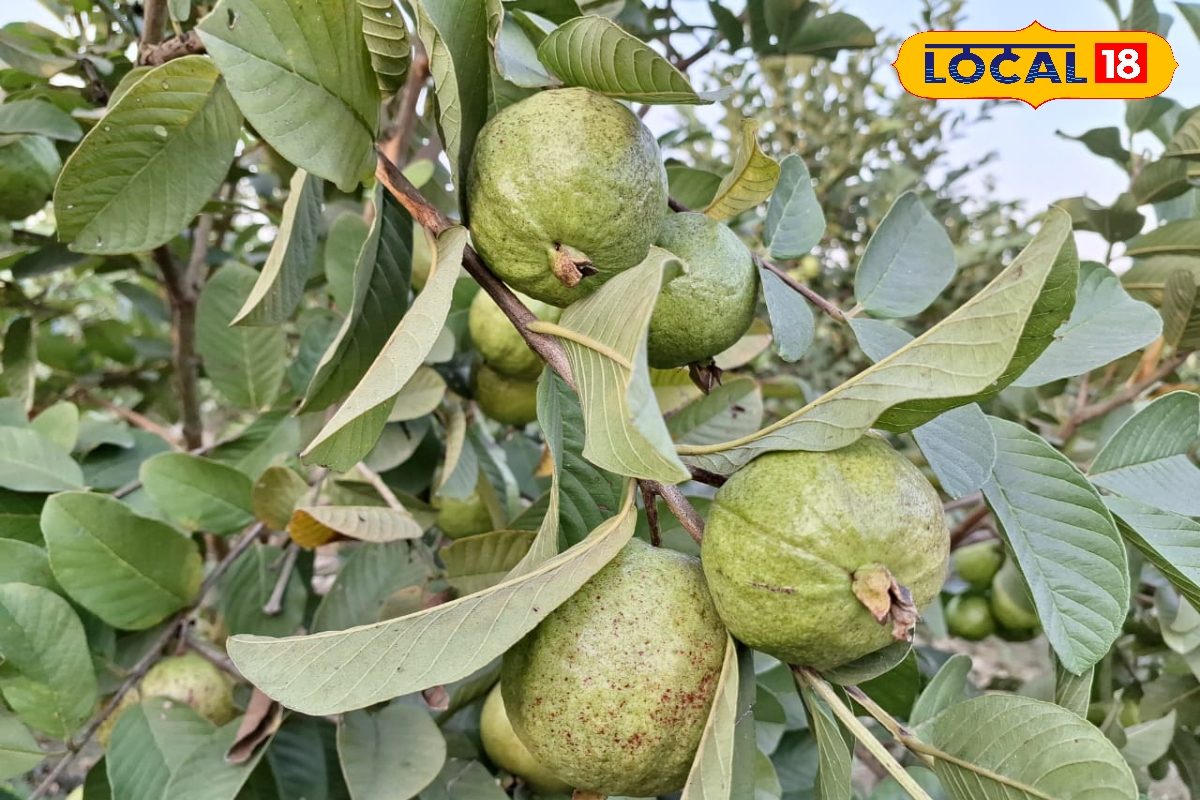
Unlocking the Secrets of the Amla Tree: A Treasure Trove of Medicinal Properties
The Amla tree, also known as the Indian gooseberry, has been revered in Ayurvedic medicine for centuries for its numerous health benefits. While its fruits are well-known for their nutritional value, the leaves of the Amla tree hold a treasure trove of medicinal properties that can be leveraged to boost the body's natural defenses and combat various serious diseases.
The Power of Amla Leaves
The leaves of the Amla tree are rich in vitamins, minerals, and antioxidants that play a crucial role in maintaining overall health. Regular consumption of Amla leaves has been shown to increase the body's resistance to diseases, making it an effective natural remedy for various ailments. The leaves are also known to possess anti-inflammatory and antibacterial properties, which can help in the treatment of wounds and skin infections.
Boosting Immunity
One of the most significant benefits of Amla leaves is their ability to boost the body's immune system. The leaves contain a high concentration of vitamin C, which is essential for the production of white blood cells that fight off infections. In addition, the leaves contain other antioxidants that help to neutralize free radicals, which can damage cells and contribute to the development of chronic diseases.
Digestive Health
Amla leaves have also been found to have a positive impact on digestive health. The leaves contain a compound called tannin, which has been shown to have anti-inflammatory properties that can help to reduce inflammation in the digestive tract. This can be particularly beneficial for individuals suffering from conditions such as irritable bowel syndrome (IBS), which is characterized by abdominal pain, bloating, and changes in bowel movements.
Antioxidant Properties
The leaves of the Amla tree are also rich in antioxidants, which are essential for protecting the body from damage caused by free radicals. Free radicals are unstable molecules that can damage cells and contribute to the development of chronic diseases such as cancer, heart disease, and Alzheimer's disease. The antioxidants present in Amla leaves help to neutralize free radicals, reducing the risk of chronic disease and promoting overall health.
Treatment of Serious Diseases
In addition to its various health benefits, Amla leaves have been found to be effective in the treatment of various serious diseases. For example, the leaves have been used to treat conditions such as diabetes, hypertension, and asthma. The leaves have also been shown to have anti-cancer properties, which can help to reduce the risk of cancer development and progression.
Conclusion
In conclusion, the Amla tree is a treasure trove of medicinal properties that can be leveraged to promote overall health and well-being. The leaves of the tree are rich in vitamins, minerals, and antioxidants that can help to boost the body's immune system, improve digestive health, and reduce the risk of chronic disease. While further research is needed to fully understand the benefits of Amla leaves, the existing evidence suggests that they may be a valuable addition to any health and wellness regimen.
Key Takeaways
* Amla leaves are rich in vitamins, minerals, and antioxidants that can help to promote overall health and well-being.
* The leaves can help to boost the body's immune system, improving its ability to fight off infections.
* Amla leaves have anti-inflammatory and antibacterial properties that can help to treat wounds and skin infections.
* The leaves can help to reduce the risk of chronic disease, including cancer, heart disease, and Alzheimer's disease.
* Amla leaves may be a valuable addition to any health and wellness regimen.
References
* "Amla: A Review of Its Phytochemistry, Pharmacology, and Traditional Uses" (Journal of Ethnopharmacology, 2018)
* "Amla Leaves: A Novel Source of Antioxidants and Anti-Inflammatory Compounds" (Phytotherapy Research, 2019)
* "The Effects of Amla Leaves on Immune Function in Humans: A Systematic Review" (Nutrition Research, 2020)