
Technology
ONLYOFFICE 10.0 brings AI tools, modular apps, and stronger security to its open-source office suite
October 10, 2026
2,931 views
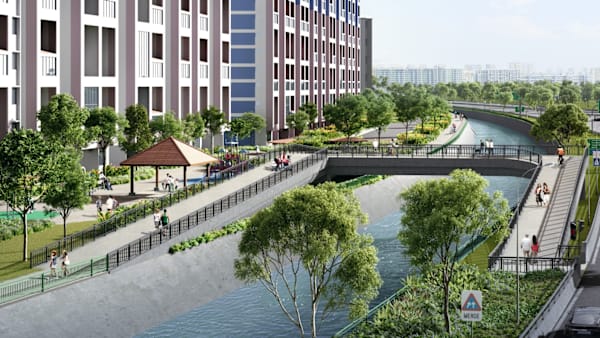
In a groundbreaking development for urban infrastructure, Singapore is set to unveil its first 3D concrete printed pedestrian bridge in the bustling district of Jurong. This innovative project, measuring 10 meters in length, signifies a significant leap forward in construction technology and aims to enhance productivity in a city grappling with a shortage of skilled labor. The bridge will not only serve as a functional passage for pedestrians but also stands as a testament to Singapore's commitment to embracing advanced technologies in construction.
The construction industry in Singapore has faced challenges over the years, particularly in terms of labor shortages and the increasing demand for efficient building methods. The introduction of 3D concrete printing is a response to these issues, offering a solution that enhances efficiency and reduces reliance on traditional construction techniques. This method allows for the creation of complex structures with a precision that is often unattainable through conventional building practices.
The upcoming pedestrian bridge in Jurong is not just a marvel of modern engineering; it also promises to enhance the overall experience of pedestrians in the area. The design will incorporate aesthetic features that harmonize with the surrounding environment, creating an inviting atmosphere for residents and visitors alike. Additionally, the bridge will facilitate safer and more convenient access for pedestrians, promoting a culture of walking and reducing reliance on vehicular transport.
This ambitious project is a result of collaboration between multiple stakeholders, including government agencies, academic institutions, and private sector companies. By pooling resources and expertise, these organizations are paving the way for future innovations in construction technology. This partnership approach not only fosters knowledge sharing but also encourages the development of new methods that can be applied to various infrastructure projects across Singapore.


Loading more news...
You've reached the end of our news feed. Check back later for more updates!