
Business
Invetech & MeMed win 2026 Good Design Award Gold for MeMed Key™
October 9, 2026
2,539 views
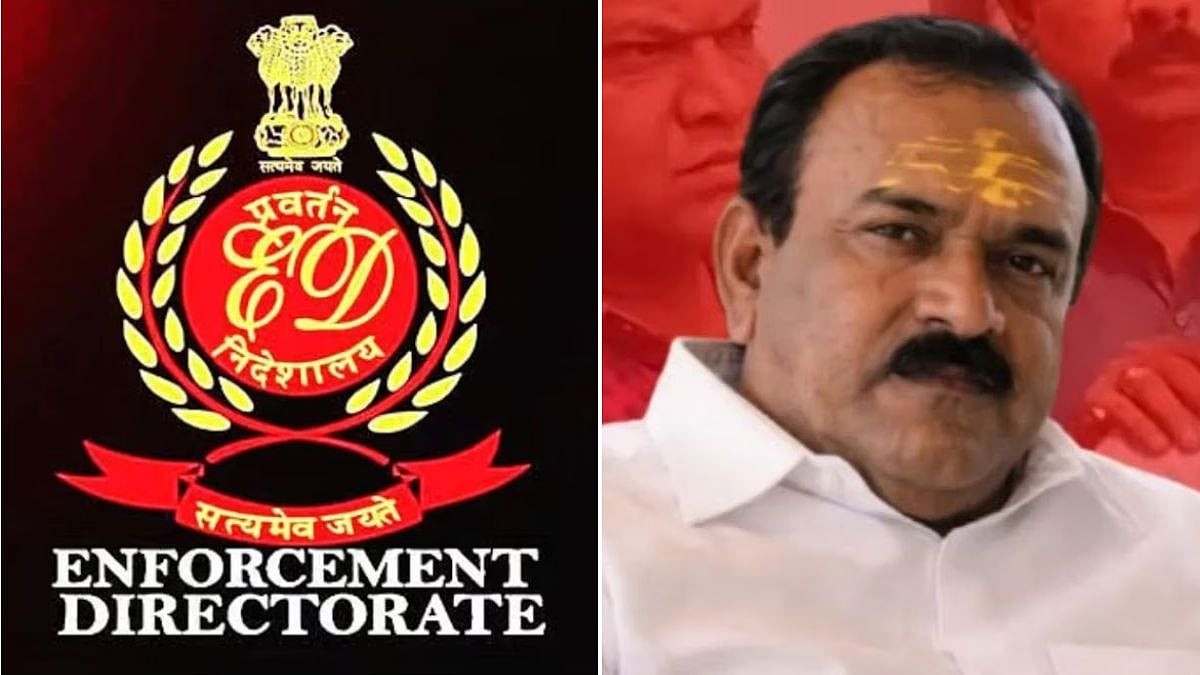
In a startling revelation, a hotelier from Shirdi has disclosed to the Enforcement Directorate (ED) that he received a staggering ₹13.5 crore in cash from Ashok Kharat, a self-styled godman, for proposed land deals associated with hospitality projects. This transaction, which took place last year, has raised serious suspicions among investigators, who are probing the connection of these funds to a larger money laundering operation. The investigation suggests that this could be part of a ₹70 crore banking fraud, which reportedly involves the use of ghost accounts and illicit benami real estate investments.
The ED's investigation into Ashok Kharat and his dealings has unfolded amidst growing concerns about financial irregularities linked to religious figures and their influence in real estate. Kharat, known for his self-proclaimed spiritual authority, has come under scrutiny as the investigation delves into the nature of the transactions he has conducted. According to the sources, the hotelier was approached by Kharat under the pretext of facilitating land acquisitions that would benefit various hospitality projects in the region.
The hospitality sector in Shirdi has been booming, attracting numerous investors eager to capitalize on the influx of pilgrims visiting the famous Sai Baba Temple. However, the sudden emergence of large cash transactions raises red flags about the legitimacy of the funding sources. The ED is now working tirelessly to trace the origins of the ₹13.5 crore cash payment and its subsequent use in land deals.
As the investigation progresses, the ED suspects that the cash received by the hotelier is not merely a straightforward transaction but rather a component of a sophisticated money laundering scheme. The alleged ₹70 crore fraud has come to light due to the existence of ghost accounts—bank accounts that are opened in fictitious names and used to obscure the true sources of funds. These accounts are believed to facilitate the movement of illicit money across various channels, making it difficult for regulatory bodies to trace their origins.
Ghost accounts have long been a concern for financial authorities, as they can be used to finance illegal activities, including money laundering and tax evasion. The ED is focusing on unraveling the network of individuals and entities that may be involved in these transactions, aiming to bring to justice those who exploit the system for personal gain.
The implications of this investigation extend beyond the immediate parties involved. The hospitality sector in Shirdi, which has seen significant growth, may face increased scrutiny as authorities examine financial practices within the industry. Investors and business owners may need to reassess their financial dealings to ensure compliance with legal standards, especially in light of the potential fallout from this case.
The ED's actions may lead to broader investigations into other stakeholders in the hospitality industry, potentially leading to a ripple effect that could impact various projects under development. It is crucial for businesses to maintain transparency and adhere to proper accounting practices to avoid being entangled in similar situations.
Regulatory authorities play a vital role in maintaining the integrity of financial transactions, especially in sectors that are susceptible to exploitation. The ED’s investigation into Kharat and the hotelier serves as a reminder of the need for vigilance against fraudulent activities. As the investigation develops, it will be essential for authorities to implement stricter regulations and monitoring mechanisms to prevent similar occurrences in the future.
In light of the increasing sophistication of financial crimes, it is imperative for businesses and individuals to remain vigilant and report any suspicious activities. By fostering a culture of transparency and accountability, the hospitality sector can help to restore trust among investors and the public alike.
The ongoing investigation into Ashok Kharat and the Shirdi hotelier's cash transaction highlights the potential vulnerabilities within the financial systems tied to religious figures and their business dealings. As the ED delves deeper into this case, it will be crucial to uncover the full extent of the alleged money laundering network and to implement measures to strengthen the integrity of financial practices in the hospitality industry. The outcome of this investigation could set a precedent for how financial crimes involving religious figures are handled in the future, emphasizing the need for transparency and compliance in all business dealings.
As the situation continues to evolve, stakeholders in the hospitality sector and beyond must remain informed and proactive in addressing any challenges that may arise from this high-profile investigation. The focus should be on creating a sustainable and ethical business environment that upholds the principles of legality and integrity.


Loading more news...
You've reached the end of our news feed. Check back later for more updates!