
Business
Invetech & MeMed win 2026 Good Design Award Gold for MeMed Key™
October 9, 2026
2,539 views
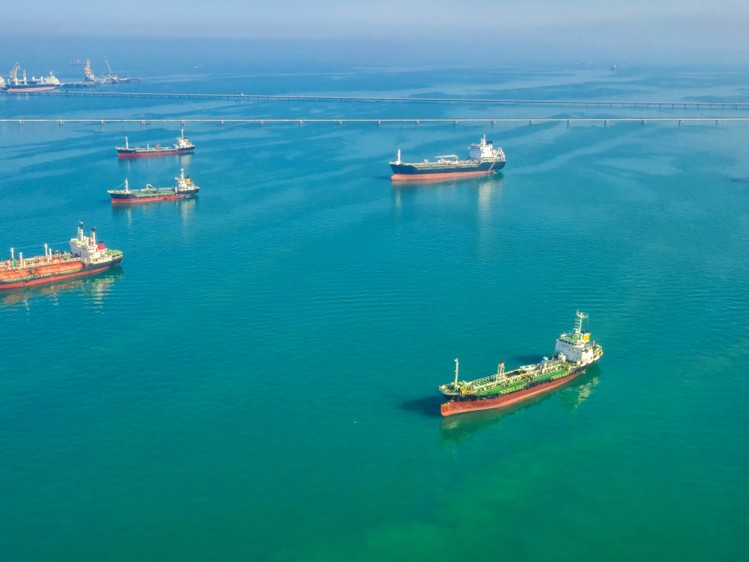
Shipping firms remain reluctant to navigate the Strait of Hormuz sea passage despite this week’s peace deal, according to a boss of the industry’s lobby group who warned that trade volumes will not return to full capacity until next year. Peter Aylott, director of policy at the UK Chamber of Shipping, told City AM that firms would need to see a “fairly robust string of evidence” that tankers stuck in the Persian Gulf could leave free from interference before they would have the confidence to sail through the strait after the deal. “We’re still facing significant geopolitical risks, and while the agreement is a positive step, it doesn't eliminate the uncertainties that have plagued our industry for years,” he added.
The Strait of Hormuz is a vital waterway for global oil transportation, with approximately one-fifth of the world's petroleum passing through it. Given its strategic significance, any tensions in the region can have far-reaching implications for the shipping industry and global oil prices. The recent U.S.-Iran agreement aimed at easing tensions in the region has sparked a glimmer of hope, but many shipping companies remain on high alert.
Aylott emphasized that the shipping industry is inherently cautious, especially when it comes to navigating areas with a history of conflict. “Even with an agreement in place, the potential for miscommunication or unexpected military actions remains,” he said. The shipping industry has learned from past experiences that peace deals do not always translate into immediate safety for maritime routes. As such, companies are likely to adopt a wait-and-see approach before fully committing to transit through this crucial passage.
According to industry analysts, trade volumes in the Persian Gulf are not expected to return to pre-tension levels until next year at the earliest. This projection is influenced by the cautious stance of shipping firms and the lingering uncertainties surrounding the geopolitical climate in the region. Aylott pointed out that even if the situation improves, it may take time for companies to rebuild trust and confidence in the safety of their operations in the area. “The psychological impact of previous incidents cannot be underestimated,” he remarked.
The reluctance of shipping firms to navigate the Strait of Hormuz could have broader economic implications, particularly for oil prices. A significant disruption in shipping activity can lead to increased costs and delays in oil supply, further exacerbating global inflationary pressures. Analysts predict that unless confidence is restored, oil prices may remain volatile as markets respond to the uncertainty surrounding shipping routes.
In light of the ongoing risks associated with the Strait of Hormuz, some shipping firms are exploring alternative routes to transport their goods. While these routes may offer safer passage, they also come with increased costs and longer transit times. Aylott noted that companies must weigh the benefits of safety against the potential economic implications of longer shipping times and higher expenses. “This is a complex balancing act that many companies are currently navigating,” he explained.
Looking ahead, the future of shipping in the Persian Gulf will largely depend on the evolving political landscape. Aylott urged stakeholders to remain optimistic but realistic about the challenges ahead. “It’s crucial for all parties involved to engage in transparent dialogue and work towards sustainable solutions that ensure the safety of maritime operations,” he stated. The shipping industry remains resilient, but it will require a concerted effort from governments and industry leaders to build a stable environment for trade.
While the recent U.S.-Iran agreement represents a positive step towards reducing tensions in the region, the shipping industry is not ready to fully embrace the potential for safer passage through the Strait of Hormuz. With significant geopolitical risks still looming and trade volumes unlikely to rebound before next year, companies are adopting a cautious approach. The future of maritime operations in this critical area will depend on ongoing diplomatic efforts and the establishment of a stable and secure environment for shipping.


Loading more news...
You've reached the end of our news feed. Check back later for more updates!