Politics
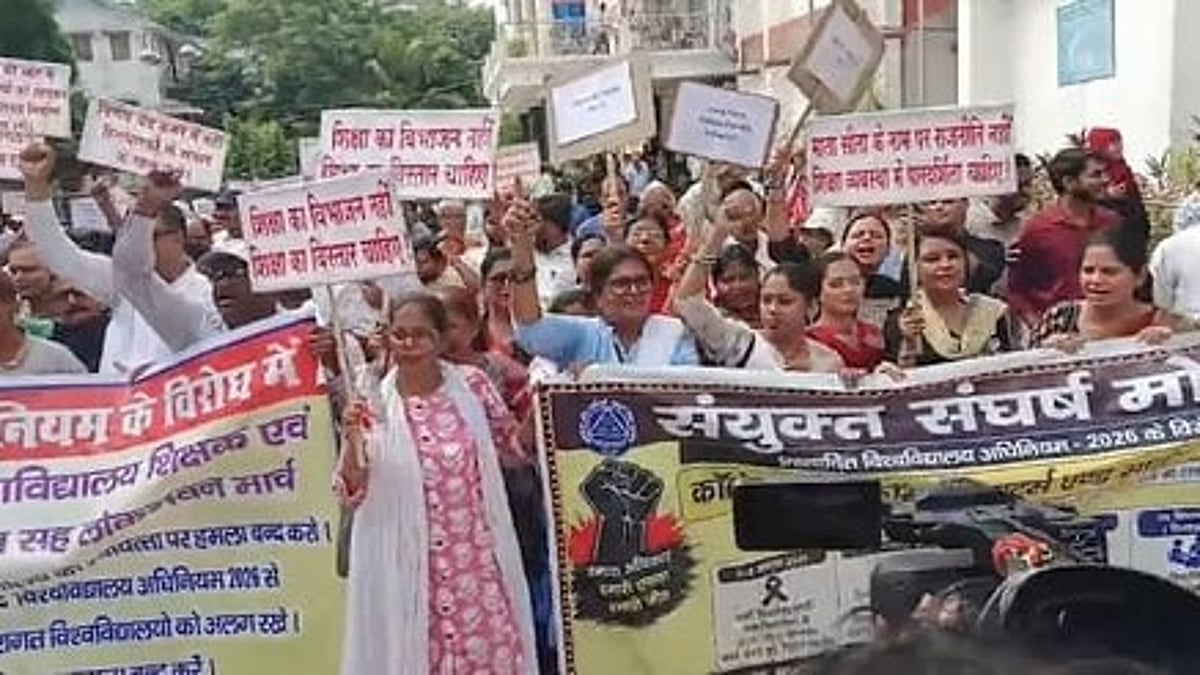
Bihar: Over 50 held in protest against Mata Sita women’s university
October 10, 2026
1,707 views
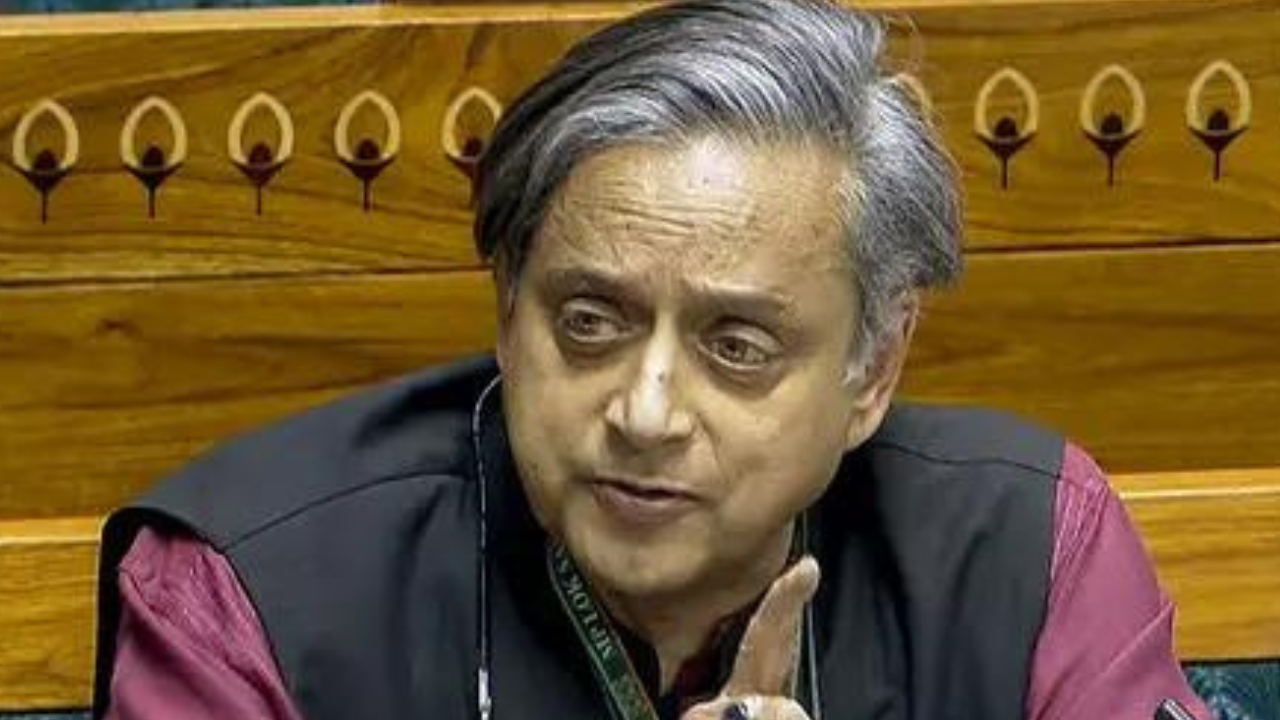
In the world of Indian politics, where every statement can lead to a storm, Congress MP Shashi Tharoor's recent comments regarding Prime Minister Narendra Modi have ignited a significant controversy. Tharoor suggested that PM Modi had raised concerns about the welfare of Indian civilian sailors with US President Donald Trump, a statement that has not only raised eyebrows but also created fissures within the Congress party. This development is particularly intriguing given that it directly contradicts former Congress president Rahul Gandhi's assertion that the government was neglecting the issue.
The friction within the Congress party has become increasingly evident following Tharoor's remarks. The party, which has been grappling with its identity and strategy in the face of rising BJP dominance, finds itself at a crossroads. Tharoor's praise for Modi has been interpreted by some within Congress as a breach of party lines, especially given that Rahul Gandhi and other senior leaders have sharply criticized the Prime Minister on various fronts.
The internal conflict is further complicated by the timing of Tharoor's statement. As Congress prepares for upcoming elections, unity and a clear stance on key issues are of utmost importance. Tharoor's comments, while seen by some as a gesture of bipartisanship, have been labeled by critics as an attempt to curry favor with the ruling party. This has led to a chorus of dissenting voices within Congress, calling for Tharoor to clarify his position and reaffirm his loyalty to the party's official stance.
The Bharatiya Janata Party (BJP), known for its adeptness at capitalizing on rival party missteps, has jumped at the opportunity presented by Tharoor's remarks. BJP leaders have made it a point to highlight the dissonance within Congress, using Tharoor's comments as proof of the party's fragmented ideology. By framing the narrative around Tharoor’s praise for Modi, the BJP aims to portray Congress as a party lacking coherence and direction.
Senior BJP leaders have taken to social media and public forums, emphasizing that Tharoor’s acknowledgment of Modi's efforts reflects a growing recognition of the Prime Minister's leadership, especially concerning national issues such as the safety of Indian sailors abroad. This tactic not only serves to undermine Congress but also reinforces the BJP's image as a party that takes national security seriously.
This incident raises broader questions about the future of political discourse in India. As the country approaches a crucial election period, the dynamics between the major political parties are rapidly evolving. Tharoor’s comments underscore a complex reality: while bipartisanship can be beneficial in addressing national issues, it can also lead to significant backlash from party loyalists.
Moreover, the episode highlights the importance of coherent messaging within political parties. In an era where social media amplifies every statement, leaders must navigate their words carefully. Tharoor's remarks could be seen as a call for collaboration in addressing pressing national issues, such as maritime safety and international relations. However, they also risk alienating the party base that is staunchly opposed to Modi's policies.
The public reaction to Tharoor's comments has been mixed. Supporters of the Congress party have expressed their discontent, arguing that such statements undermine the party's opposition to the BJP's governance. Critics have argued that Tharoor's approach may be seen as an attempt to position himself as a moderate voice, potentially appealing to centrist voters disillusioned by extremism on both sides of the political spectrum.
Media outlets have been quick to analyze the implications of this political slugfest. Editorials and opinion pieces have emerged, debating whether Tharoor's comments signify a potential shift in Congress's strategy or a mere blip in the ongoing political landscape. The discourse surrounding this event reflects the broader challenges faced by opposition parties in India, who must find a way to engage meaningfully with the ruling party while maintaining their ideological integrity.
As the dust settles on this latest political incident, the question remains whether Shashi Tharoor's comments will lead to a period of reflection within Congress or further division. The party's leadership must navigate these waters carefully, balancing the need for unity with the imperative of presenting a compelling counter-narrative to the BJP's dominance. In a political environment where perceptions can shift rapidly, Tharoor's statements may either pave the way for a new approach to opposition politics or serve as a reminder of the challenges that lie ahead for the Congress party.

Loading more news...
You've reached the end of our news feed. Check back later for more updates!