
Politics
धरना-प्रदर्शनों का नया कारोबार: लोकतंत्र की आड़ में आखिर किसके हित साधे जा रहे हैं?
October 10, 2026
1,612 views
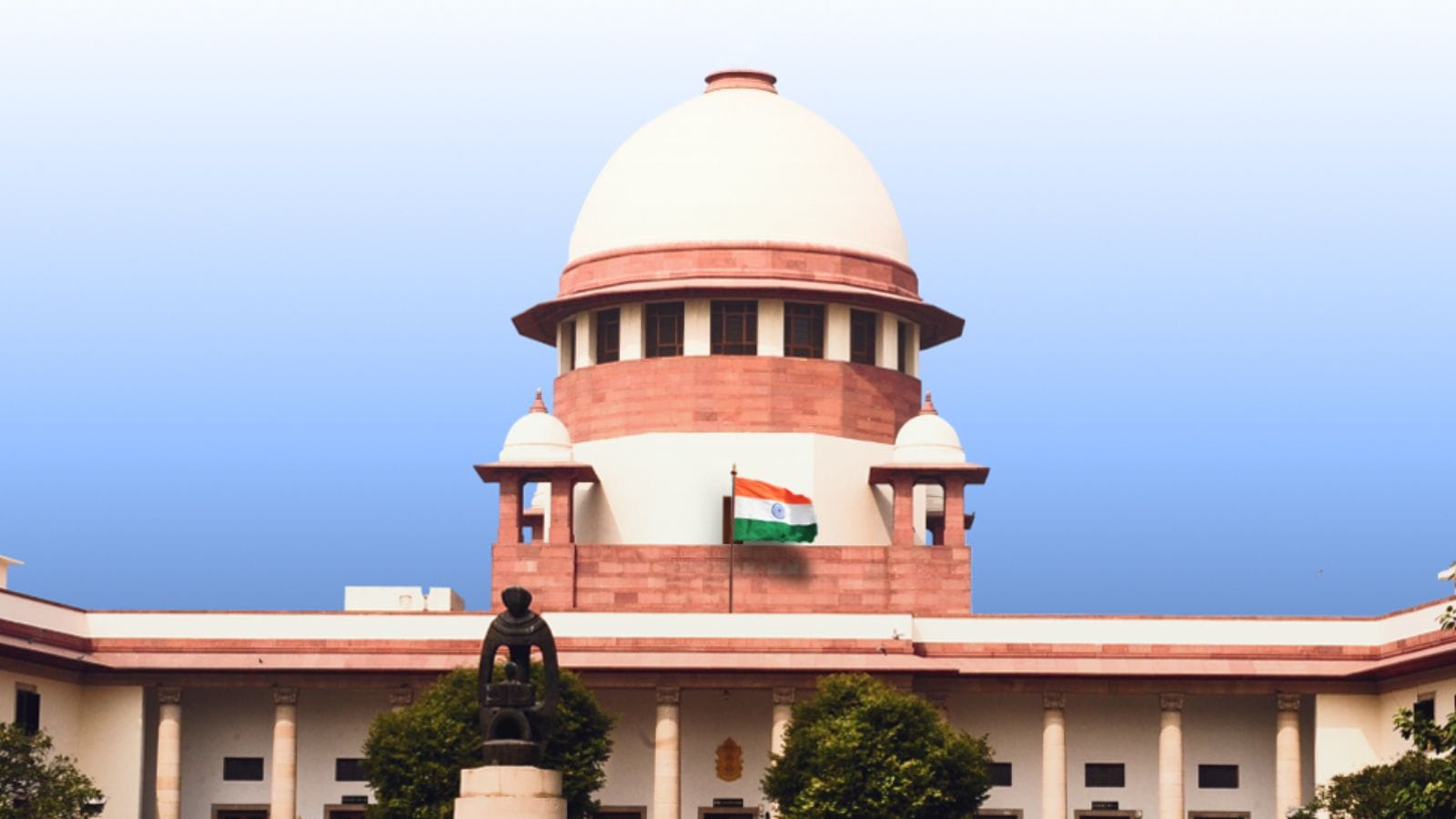
In a significant development, the Supreme Court of India is set to hear a Public Interest Litigation (PIL) on May 4, which calls for the implementation of more stringent guidelines regarding the issuance of Aadhaar cards to adolescents and adults. This PIL has garnered attention due to the sensitive nature of Aadhaar as a critical identity document that impacts various aspects of an individual's life, including access to services, financial systems, and social welfare programs.
The Aadhaar system, launched in 2009, was designed to provide a unique identification number to every resident of India. It's linked to various services such as banking, taxation, and welfare schemes. However, concerns have been raised over privacy, data security, and the potential misuse of information collected during the Aadhaar enrollment process. The upcoming hearing will address these pressing issues, particularly in relation to adolescents, who may be more vulnerable to exploitation and misinformation.
The PIL, filed by a concerned citizen, emphasizes the need for protecting the rights of young individuals by ensuring that the process of obtaining an Aadhaar card is not only secure but also transparent. The petitioner argues that the current guidelines may not adequately protect adolescents from potential risks associated with identity theft and privacy violations. As young people increasingly engage with digital services, the proposal seeks to establish a framework that addresses their specific needs and vulnerabilities.
One of the primary concerns highlighted in the PIL is the potential for misuse of Aadhaar data. With a wealth of personal information stored in the Aadhaar database, adolescents may be at risk of cyberbullying, identity theft, and other forms of abuse. The petitioner argues that without stringent guidelines, the interests of young individuals may be compromised. Furthermore, the lack of parental consent in the Aadhaar registration process for minors has raised ethical questions about autonomy and the right to privacy.
The Supreme Court has previously ruled on Aadhaar-related matters, emphasizing the importance of privacy as a fundamental right. In its landmark judgment in 2018, the Court struck down certain provisions of the Aadhaar Act that mandated compulsory linkage of Aadhaar with several services, citing privacy concerns. This precedent sets a crucial backdrop for the current PIL, as it reiterates the need for a careful balancing act between national interests and individual rights.
The hearing on May 4 will involve a bench led by Chief Justice Surya Kant and Justice Joymalya Bagchi, who will deliberate on the merits of the petition and consider the implications of Aadhaar on adolescents. The Court's decision could pave the way for substantial changes in the way Aadhaar is administered, particularly in relation to minors. Experts believe that if the Court sides with the petitioner, it may lead to the formulation of comprehensive guidelines that ensure the protection of young individuals' rights.
Public opinion surrounding the Aadhaar system is mixed, with many advocating for its benefits in streamlining government services while others raise concerns about privacy and security. Advocacy groups have been actively campaigning for stricter regulations, especially concerning minors. The upcoming hearing will likely attract attention from various stakeholders, including civil rights organizations, legal experts, and the general public, all eager to see how the Supreme Court addresses these pivotal issues.
The Supreme Court's decision to hear this PIL on May 4 marks an important moment in the ongoing debate surrounding the Aadhaar system and its implications for young individuals in India. As the nation continues to navigate the complexities of digital identity, the outcomes of this case may have lasting effects on the future of Aadhaar and the rights of adolescents. With increasing reliance on digital systems, ensuring the safety and security of personal data is more crucial than ever, and the Court's ruling could set important precedents for how such matters are managed in the future.


Loading more news...
You've reached the end of our news feed. Check back later for more updates!