
Business
Invetech & MeMed win 2026 Good Design Award Gold for MeMed Key™
October 9, 2026
2,539 views
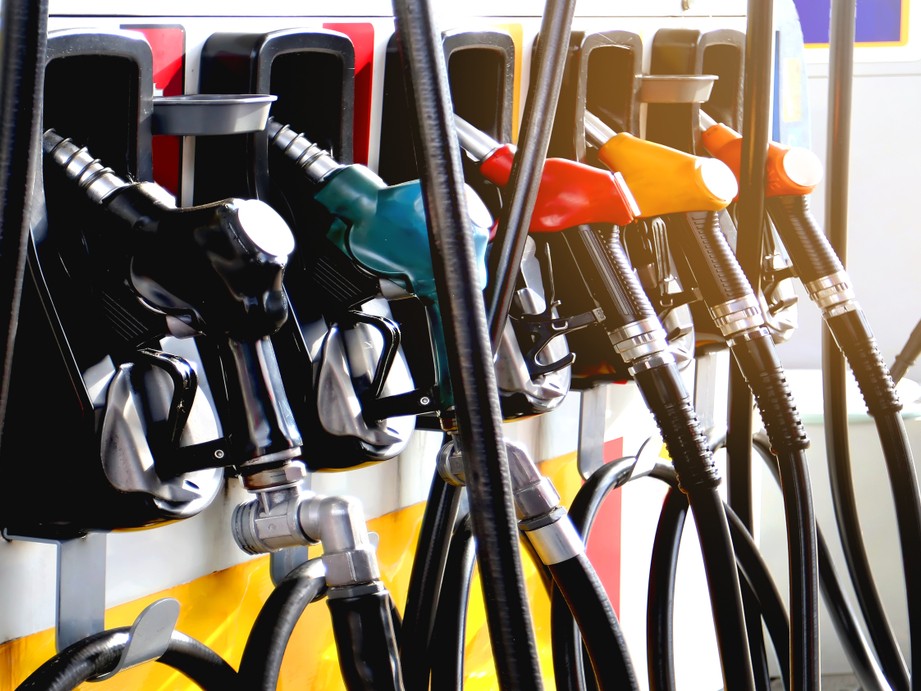
Grappling with a severe shortage of fuel, Russia is actively seeking assistance from its neighboring country, Kazakhstan, to secure a significant volume of gasoline. The situation has escalated to a point where Russian officials have approached their Kazakh counterparts with a request for 50,000 tons of gas. However, Astana has shown hesitation in fulfilling this request, primarily due to concerns over the potential repercussions for Kazakhstan's own energy exports and geopolitical stability in the region.
Russia's fuel crisis has been exacerbated by a combination of factors, including recent Ukrainian drone attacks that have targeted key Russian refineries. These attacks have resulted in extensive damage to facilities that are critical to Russia's domestic fuel production, leading to long lines at gas stations across the country. The shortage of gasoline has not only affected consumers but has also raised alarms within the Kremlin regarding the overall stability of the energy sector.
For Kazakhstan, the prospect of supplying fuel to Russia presents a complex dilemma. On one hand, fulfilling Russia's request could lead to a crucial economic opportunity, allowing Kazakhstan to strengthen its relationship with its larger neighbor while potentially benefiting from increased revenue. On the other hand, there are legitimate fears that such a move could jeopardize Kazakhstan's own energy exports and create political friction with other nations that are wary of Russia's actions in the region.
The interplay between Russia and Kazakhstan is underscored by the geopolitical landscape of Central Asia. Kazakhstan has traditionally maintained a careful balance in its foreign relations, seeking to engage with both Russia and Western nations. The current crisis could force Kazakhstan to reassess its strategy, especially as it navigates the complexities of energy diplomacy. Should Kazakhstan decide to assist Russia, it may face backlash from nations that are critical of Russian aggression in Ukraine and elsewhere.
Economically, the situation is precarious. Kazakhstan's energy sector is vital to its economy, and any disruption could have far-reaching effects. The country's leadership must weigh the financial benefits of a potential deal against the risks of becoming too closely aligned with Russia at a time when the latter is facing international isolation. Moreover, Kazakhstan needs to ensure that its own energy supply remains stable in light of its own responsibilities to domestic consumers and international partners.
Amidst this geopolitical chess game, public sentiment in Kazakhstan plays a significant role. Citizens are acutely aware of the historical ties between Russia and Kazakhstan, yet there is also a growing sense of national identity that prioritizes sovereignty and independence. Any decision to supply gasoline to Russia could lead to public backlash and unrest, given the current climate of heightened nationalism and the desire for Kazakhstan to assert its independence on the world stage.
As the situation develops, several potential outcomes could arise. Kazakhstan may ultimately decide to supply the requested gasoline, albeit in a limited capacity, to avoid straining relations with Russia while still protecting its own interests. Alternatively, Astana might negotiate terms that include increased economic aid or guarantees of energy security in exchange for the gasoline, thereby turning a potentially disadvantageous situation into a more balanced agreement.
The international community is closely monitoring the situation, particularly the actions of Western nations and their responses to Kazakhstan's decisions. Economic sanctions against Russia may influence Kazakhstan's calculus, as the country evaluates its ties with both Russia and Western powers. Depending on how Kazakhstan navigates these pressures, it could either emerge as a key player in the regional energy market or find itself further entangled in Russia's geopolitical struggles.
In summary, Russia's plea for gasoline from Kazakhstan highlights the intricate and often precarious nature of energy politics in Central Asia. As both countries face their own sets of challenges, the decisions made in the coming weeks could have lasting implications for their bilateral relationship and the broader geopolitical landscape of the region. Kazakhstan's careful maneuvering will be crucial as it seeks to balance its economic interests with the need to maintain its sovereignty and stability amidst a rapidly changing environment.

Loading more news...
You've reached the end of our news feed. Check back later for more updates!