
Technology
Udhampur News: लंबित इंतकाल मामलों के जल्द निपटारे के निर्देश
October 9, 2026
3,222 views
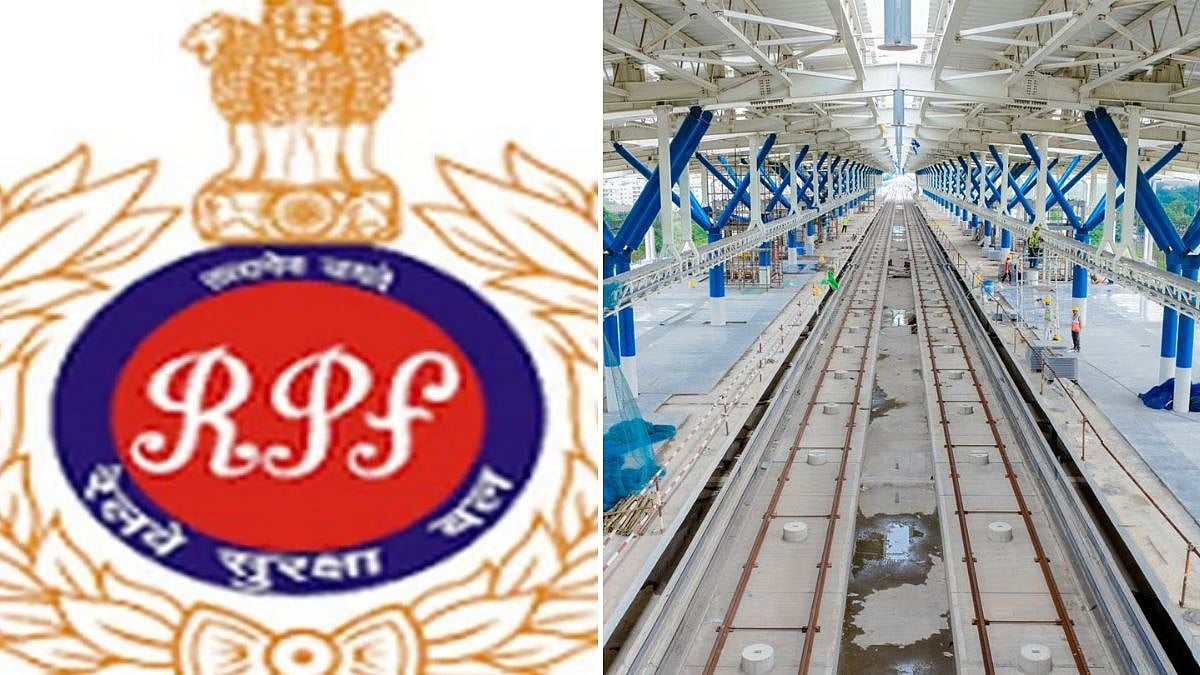
In a significant development for the much-anticipated Mumbai-Ahmedabad Bullet Train project, the Railway Protection Force (RPF) is poised to take over the security responsibilities from the Central Industrial Security Force (CISF). This decision is expected to not only enhance security measures but also streamline operations significantly. With a leaner, tech-driven model that incorporates the latest advancements in surveillance and monitoring, RPF aims to provide robust security for the high-speed rail corridor that is set to revolutionize travel between these two major cities.
One of the primary reasons for this shift is the RPF's extensive experience in managing security within the railway sector. Unlike the CISF, which primarily focuses on industrial and infrastructure security, the RPF has a deep understanding of the unique challenges posed by railway security. This expertise is crucial in ensuring the safety of passengers traveling at high speeds.
Additionally, the proposed model suggests a significant reduction in operational costs. The RPF's plan involves deploying a lean team of about 550 personnel, compared to the larger contingents typically utilized by the CISF. This not only minimizes expenditures but also allows for a more agile response to security threats.
The focus on a technology-driven approach marks a new era in railway security. The RPF plans to integrate advanced surveillance systems, including CCTV cameras, drone monitoring, and automated alert systems, which will enhance real-time threat detection capabilities. These technologies can provide comprehensive coverage of the entire corridor, ensuring that any suspicious activity is promptly identified and addressed.
Moreover, the use of data analytics will play a pivotal role in predicting and preventing potential security breaches. By analyzing patterns of movement and behavior, the RPF can proactively identify risks, significantly improving passenger safety.
With the implementation of RPF’s tech-driven security model, passengers can expect a more seamless travel experience. The reduced footprint of security personnel will minimize disruptions at stations and during boarding, making the overall journey more efficient. Enhanced security measures will also likely instill a greater sense of safety among travelers, encouraging more people to utilize the bullet train services.
Furthermore, the integration of technology into security protocols can lead to faster response times in emergencies, ensuring that any incidents are managed effectively without compromising passenger safety.
While the transition to RPF for bullet train security promises many benefits, it is not without its challenges. The success of this model hinges on the effective training of personnel to utilize the new technologies and adapt to the evolving security landscape. Continuous updates and maintenance of the technological systems will also be critical to ensure they function as intended.
Moreover, the RPF must establish robust communication channels with other security agencies and local law enforcement to create a comprehensive security framework. Collaboration will be essential to ensure a coordinated response to any potential threats.
This move is indicative of a broader trend towards modernization and efficiency in India's railway security infrastructure. As the nation invests heavily in improving its transport systems, the adoption of technology-driven solutions will likely become a standard practice across various sectors.
As India embarks on this ambitious project, the role of the RPF will be crucial in setting a precedent for future security operations within the railway network. The successful implementation of this model could serve as a blueprint for securing other high-speed rail corridors across the country, reinforcing the importance of effective security measures in enhancing public confidence in railway travel.
In conclusion, the decision to entrust the Railway Protection Force with the security of the Mumbai-Ahmedabad Bullet Train corridor reflects a strategic shift towards a more efficient, technology-oriented approach. By leveraging its expertise and focusing on a lean operational model, the RPF aims to ensure the safety of passengers while promoting the growth of high-speed rail travel in India. As the project moves forward, it will be interesting to observe the impacts of these changes and the potential for further advancements in railway security.


Loading more news...
You've reached the end of our news feed. Check back later for more updates!