Politics
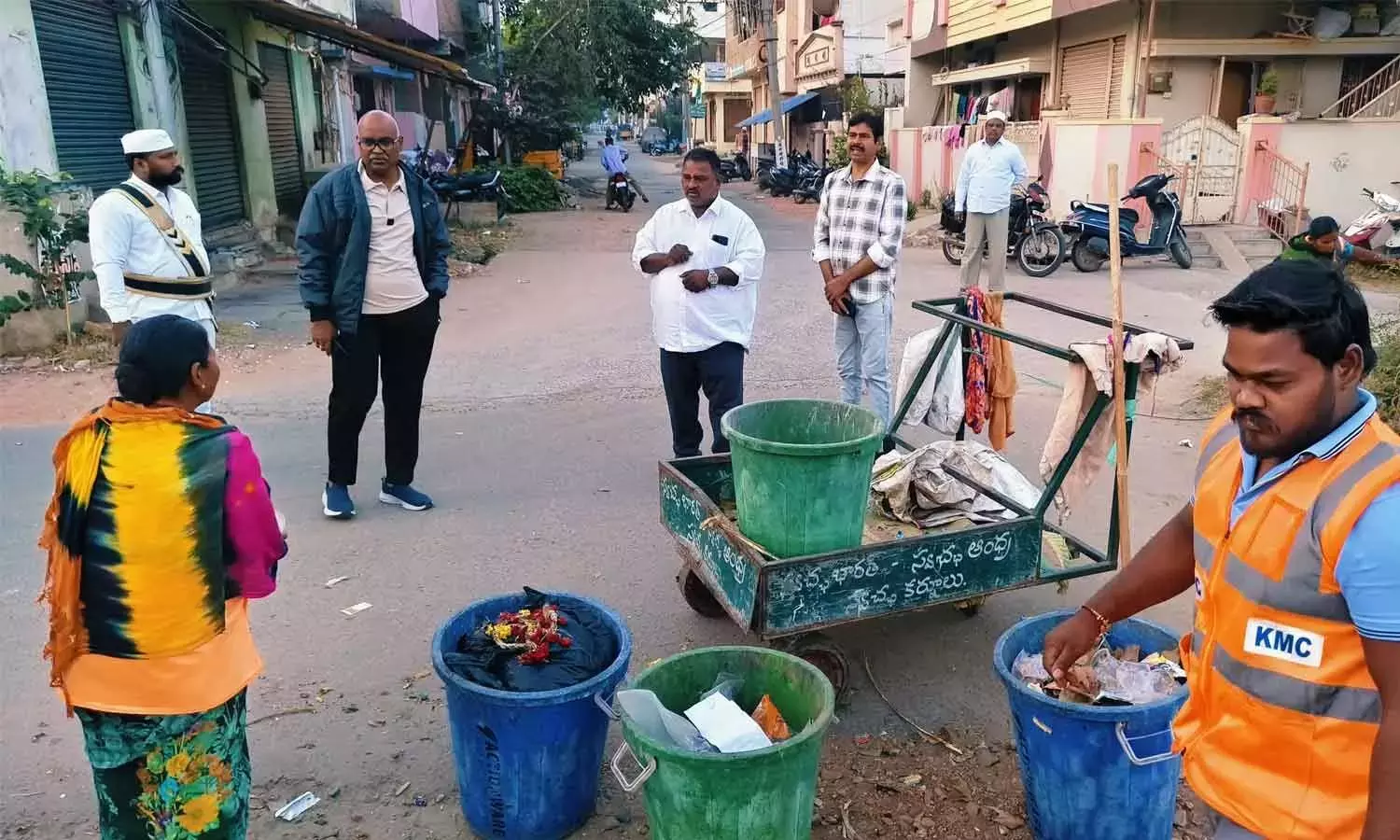
स्वच्छता कार्य में लापरवाही पर कड़ी कार्रवाई होगी: केएमसी आयुक्त
November 19, 2026
2,481 views
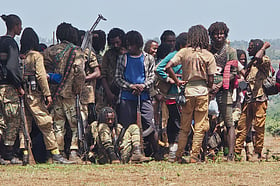
In a shocking turn of events, renewed fighting in northern Ethiopia has effectively shattered the peace deal that was established to conclude the brutal war that erupted in 2022. The conflict, which primarily involved the Tigray People's Liberation Front (TPLF) and the Ethiopian federal government, had resulted in significant loss of life and displacement of millions. The peace agreement, celebrated as a monumental step towards stability, now appears to be hanging by a thread as accusations of bad faith between the opposing sides escalate.
The war in Ethiopia, which began in November 2020, was marked by severe human rights violations and a humanitarian crisis of unprecedented proportions. The Tigray region was particularly devastated, with reports of widespread famine and atrocities committed against civilians. In late 2022, a peace deal was brokered, bringing a semblance of calm to the war-torn region. However, the fragile nature of this agreement has become apparent as tensions have reignited.
Both the Ethiopian government and the TPLF have leveled accusations against each other regarding the violation of the peace agreement. The federal government claims that the TPLF has been rearming and mobilizing forces, while the TPLF accuses the government of failing to fully implement the terms of the deal, particularly regarding the withdrawal of Eritrean troops from Tigray. These mutual accusations have created an environment of distrust, fueling fears among civilians that a return to armed conflict is imminent.
As the specter of renewed conflict looms, civilians in Tigray are left in a state of uncertainty and fear. Many had begun to rebuild their lives following the temporary respite provided by the peace deal, but the resurgence of fighting has led to renewed displacement and suffering. The United Nations and various NGOs have expressed grave concerns about the humanitarian implications of the fighting, warning that millions could face famine and lack of access to essential services.
Local residents report witnessing increased military activity and are bracing themselves for the worst. “We thought we could finally start to heal, but now it feels like the war is back,” said a local leader who wished to remain anonymous. “People are scared. We don’t want to go back to what we experienced before.” This sentiment is echoed across the region, where memories of violence and loss linger heavily in the minds of the populace.
The international community has been closely monitoring the situation in Ethiopia, with calls for both sides to uphold their commitments under the peace agreement. The African Union has urged the Ethiopian government and TPLF to engage in dialogue to resolve their differences peacefully. However, the escalating violence has raised concerns that diplomatic efforts may be too late to prevent a full-blown return to war.
As the situation continues to develop, the path forward remains fraught with challenges. The potential for renewed fighting could derail any hopes for lasting peace and recovery in northern Ethiopia. The focus must now shift to de-escalation and dialogue, with both sides needing to demonstrate genuine commitment to peace.
Efforts to rebuild trust will require significant concessions and a willingness to address the underlying grievances that fueled the conflict. The international community must also play a proactive role in facilitating dialogue and ensuring that humanitarian aid reaches those in need. Without immediate intervention, the specter of renewed armed conflict could plunge Ethiopia back into the depths of war, further devastating a nation that has already endured so much.


Loading more news...
You've reached the end of our news feed. Check back later for more updates!