
Politics
Bihar: Over 50 held in protest against Mata Sita women’s university
October 10, 2026
1,707 views
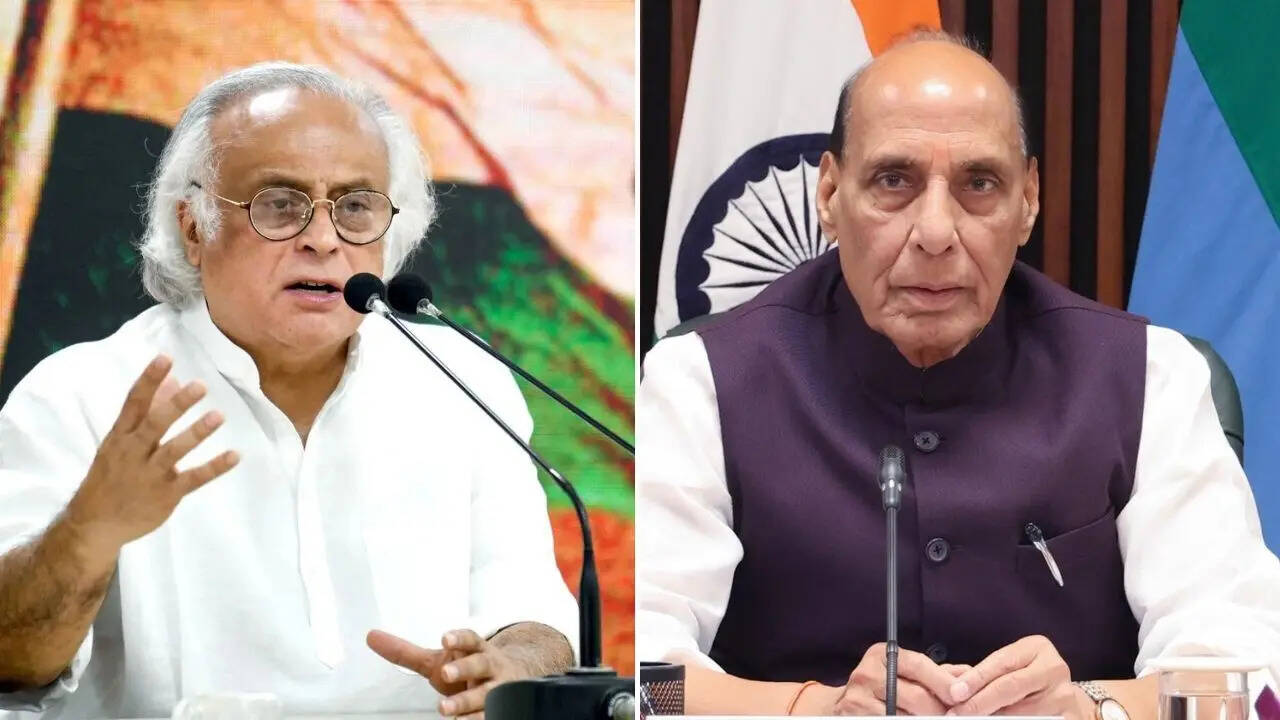
In a significant move that underscores the ongoing tension between development and environmental conservation, Congress leader Jairam Ramesh has formally reached out to Defence Minister Rajnath Singh, urging a reconsideration of the contentious Great Nicobar Island Project. Ramesh has characterized the initiative as a potential "ecological disaster", emphasizing the urgent need to prioritize the region's environmental health over mere commercial interests.
The Great Nicobar Island Project, which aims to bolster infrastructure and promote tourism in the region, has faced criticism due to its potential environmental repercussions. Ramesh articulated that while the enhancement of national security remains a priority, the project's focus on commercial gain seems to overshadow these crucial considerations. "We cannot sacrifice our environment and the rights of indigenous tribes for short-term economic benefits," he stated, highlighting the delicate balance that must be maintained between developmental activities and ecological preservation.
Great Nicobar Island, part of the Andaman and Nicobar Islands, is home to rich biodiversity, including several endemic species and a variety of ecosystems ranging from rainforests to coastal wetlands. The proposed project threatens to disrupt these habitats, leading to irreversible damage. Environmentalists argue that such large-scale development often leads to habitat loss, increased pollution, and a decline in the health of the local flora and fauna. Ramesh pointed out that the region is not only vital for biodiversity but also holds significant cultural importance for the indigenous tribes that inhabit it.
Another critical aspect of Ramesh's letter is the potential violation of tribal rights. The local tribes, which have lived in harmony with the island’s ecosystem for generations, could be severely affected by the changes brought on by the project. The Congress leader insisted that any development in the region should involve thorough consultations with these communities, ensuring their voices and rights are respected. The preservation of their way of life must be a priority, he argued, as well as ensuring that they are not displaced or marginalized by new developments.
In light of these concerns, Ramesh has proposed alternative approaches to development that would have a significantly lower environmental impact. He advocates for projects that focus on sustainability and conservation, rather than exploitation. For instance, enhancing eco-tourism and investing in renewable energy sources could provide economic benefits without jeopardizing the region's ecological integrity. These alternatives not only protect the environment but also offer long-term economic opportunities for the local population.
Ramesh's call to action includes a demand for comprehensive environmental assessments to be conducted before any further steps are taken regarding the Great Nicobar project. Such assessments would provide a clearer picture of the potential impacts on the environment and local communities, allowing for informed decision-making. The Congress leader emphasized that neglecting these assessments could lead to dire consequences for the island’s ecosystem and its inhabitants.
The Congress party's stance on the Great Nicobar Island Project has garnered mixed reactions from various stakeholders. Environmental activists have praised Ramesh's efforts to bring attention to the potential disaster, while proponents of the project argue for the necessity of development and security enhancement. Public sentiment appears to be leaning towards a more cautious approach, with many citizens expressing concern over the long-term implications of such large-scale projects on their environment.
As India navigates the complexities of development and environmental sustainability, the discourse surrounding the Great Nicobar Island Project serves as a crucial reminder of the need for balance. The voice of Congress leader Jairam Ramesh echoes the sentiments of many who advocate for responsible development that honors both ecological integrity and the rights of indigenous people. The path forward must involve collaborative dialogue, rigorous environmental assessments, and a commitment to preserving the unique natural heritage of the Great Nicobar Islands.
In conclusion, the Great Nicobar Island Project stands at a crossroads, with the potential to either bolster the nation's defense and economy or lead to an irreversible ecological crisis. The choice lies in the hands of policymakers, who must weigh immediate gains against the long-term health of one of India’s most precious ecosystems.


Loading more news...
You've reached the end of our news feed. Check back later for more updates!