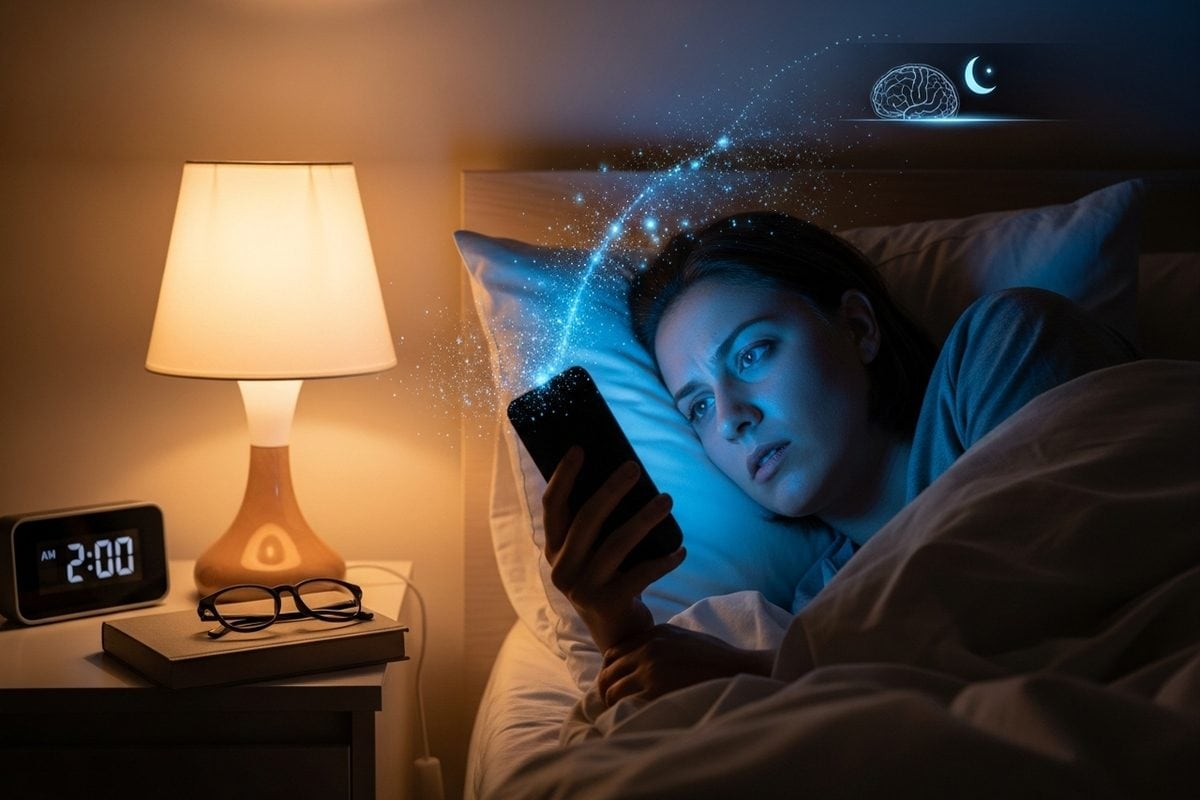
The Silent Saboteur of Slumber: How the Blue Light Emitted by Our Nighttime Screens Disrupts Sleep Cycles and Strategies for Restorative Rest
Introduction: The Ubiquitous Glow and its Insidious Impact on Sleep
In the modern era, our lives are inextricably interwoven with the luminous embrace of digital devices. From the moment we wake to the instant we drift (or attempt to drift) into sleep, screens beckon, offering a portal to information, entertainment, and connection. Smartphones, tablets, laptops, and televisions have become indispensable companions, illuminating our days and, crucially, our nights. However, this constant exposure to artificial light, particularly the blue light emitted by these devices, is increasingly being recognized as a significant impediment to achieving restful and restorative sleep. The seemingly innocuous act of scrolling through social media feeds, catching up on emails, or binge-watching a favorite show before bed, bathed in the cool, crisp glow of a screen, can inadvertently wage war on our natural sleep-wake cycles, leaving us feeling groggy, irritable, and perpetually sleep-deprived. This article delves into the intricate mechanisms by which blue light disrupts our sleep, exploring the scientific underpinnings of this phenomenon and offering a comprehensive guide to reclaiming the profound benefits of a good night\'s sleep.
The Biological Imperative: Understanding Our Circadian Rhythm and Melatonin\'s Role
To comprehend the detrimental effects of blue light, we must first understand the fundamental biological processes that govern our sleep. At the heart of this lies our circadian rhythm, an internal biological clock that operates on an approximately 24-hour cycle, regulating a multitude of physiological processes, including sleep-wake patterns, hormone release, body temperature, and metabolism. This intricate biological clock is primarily influenced by external cues, the most potent of which is light.
The suprachiasmatic nucleus (SCN), a tiny region within the hypothalamus of the brain, acts as the master clock. Light entering our eyes is detected by specialized photoreceptor cells in the retina called intrinsically photosensitive retinal ganglion cells (ipRGCs). These cells are particularly sensitive to blue light wavelengths. When these ipRGCs detect light, they transmit signals to the SCN, which then orchestrates the body\'s internal processes accordingly.
During daylight hours, the SCN perceives light as a signal to remain awake and alert. As darkness descends, the SCN receives diminished light signals, prompting the pineal gland to begin producing and releasing melatonin. Melatonin, often referred to as the \"hormone of darkness,\" plays a pivotal role in initiating and maintaining sleep. It signals to the body that it is time to wind down, lowering body temperature and promoting feelings of drowsiness.
The Blue Light Intrusion: How Screens Hijack Our Biological Clock
Herein lies the critical problem with nighttime screen usage. The light emitted by electronic devices, particularly smartphones and tablets, is disproportionately rich in blue light wavelengths (ranging from approximately 400 to 490 nanometers). This is the same type of light that is most prevalent in natural daylight. When we expose ourselves to this intense blue light in the evening, our brains are essentially tricked into believing that it is still daytime.
The ipRGCs in our retinas are highly sensitive to these blue wavelengths. Consequently, they send strong signals to the SCN, even though the sun has set and our bodies should be preparing for sleep. This misinterpretation by the SCN has several cascading effects that disrupt our natural sleep mechanisms:
* Suppression of Melatonin Production: The most significant impact of blue light exposure in the evening is the suppression of melatonin. Even moderate levels of blue light can significantly delay the onset of melatonin production and reduce the overall amount of melatonin released. This means that instead of feeling drowsy and ready for sleep, our brains remain in an alert state, making it difficult to fall asleep.
* Increased Alertness and Arousal: Blue light has a potent alerting effect. It stimulates the brain, increasing activity in areas associated with wakefulness and alertness. This makes it harder to disengage from stimulating content and transition into a relaxed state conducive to sleep.
* Disruption of the Sleep-Wake Cycle (Circadian Misalignment): Consistent exposure to blue light in the evening can gradually shift our circadian rhythm. Our internal clock becomes misaligned, leading to a delayed sleep phase. This means we may find ourselves naturally wanting to go to sleep later and waking up later, which can be problematic for individuals with early morning work or school commitments.
* Reduced Sleep Quality: Even if we manage to fall asleep after prolonged screen exposure, the quality of that sleep is often compromised. The disruption to melatonin and the heightened state of alertness can lead to lighter, less restorative sleep. We may experience more awakenings during the night, less time spent in deep sleep (slow-wave sleep) and REM sleep (rapid eye movement sleep), which are crucial for physical and cognitive restoration.
* Impact on Body Temperature: Melatonin plays a role in regulating body temperature, which naturally drops as we prepare for sleep. Blue light exposure can interfere with this thermoregulation, potentially keeping our body temperature slightly elevated, making it harder to fall asleep and stay asleep.
The Cumulative Consequences: Beyond a Single Sleepless Night
While a single night of scrolling might result in a night of restless sleep, the chronic and pervasive nature of nighttime screen use can lead to a host of long-term health consequences. The cumulative impact of sleep deprivation and circadian disruption is far-reaching:
* Cognitive Impairment: Sleep is essential for cognitive functions such as memory consolidation, learning, problem-solving, and concentration. Chronic sleep deprivation can lead to impaired judgment, reduced attention span, slower reaction times, and difficulty making decisions. This can significantly impact academic and professional performance.
* Mood Disorders: There is a strong bidirectional relationship between sleep and mental health. Sleep deprivation is a well-established risk factor for the development and exacerbation of mood disorders like depression and anxiety. The constant feeling of fatigue and irritability can further contribute to a negative emotional state.
* Weakened Immune System: During sleep, the body undertakes crucial restorative processes, including the production of cytokines, proteins that help fight inflammation and infection. Chronic sleep deprivation can impair the immune system\'s ability to function effectively, making individuals more susceptible to illness.
* Increased Risk of Chronic Diseases: Emerging research suggests a link between chronic sleep disruption and an increased risk of developing serious health conditions. This includes:
* Cardiovascular Disease: Sleep deprivation can contribute to elevated blood pressure, increased inflammation, and higher levels of stress hormones, all of which are risk factors for heart disease and stroke.
* Diabetes: Disruptions to the circadian rhythm can affect glucose metabolism and insulin sensitivity, increasing the risk of developing type 2 diabetes.
* Obesity: Sleep plays a role in regulating hormones that control appetite and metabolism. Sleep deprivation can disrupt these hormones, leading to increased cravings for unhealthy foods, decreased satiety, and ultimately, weight gain.
* Reduced Physical Performance: For athletes and individuals who engage in physical activity, adequate sleep is crucial for muscle repair, energy restoration, and overall performance. Lack of sleep can lead to decreased endurance, strength, and coordination.
* Eye Strain and Digital Eye Strain: Prolonged screen time, especially in low light conditions, can lead to digital eye strain, characterized by dry eyes, blurred vision, headaches, and neck and shoulder pain. While not directly related to sleep disruption, it adds to the overall discomfort associated with excessive screen use.
The Science Behind the Blue Light: A Deeper Dive into Wavelengths and Photoreceptors
The impact of blue light is not a hypothetical concern; it is rooted in solid scientific principles. As mentioned earlier, the intrinsically photosensitive retinal ganglion cells (ipRGCs) are the key players. Unlike traditional rod and cone photoreceptors responsible for vision, ipRGCs contain a photopigment called melanopsin. Melanopsin is particularly sensitive to light in the blue-violet range of the spectrum.
When blue light strikes melanopsin, it triggers a cascade of signals that travel through the optic nerve to the SCN. The SCN, in turn, projects to other brain regions, including the pineal gland, influencing melatonin production. The intensity and duration of blue light exposure are critical factors. A bright screen viewed up close for an extended period will have a more profound suppressive effect on melatonin than a dim screen viewed from a distance for a shorter duration.
It\'s important to note that not all light is created equal when it comes to its impact on sleep. While blue light is the primary culprit in disrupting melatonin production, other wavelengths of light, particularly red and infrared light, have a much weaker effect on the circadian system. This is why red light is often used in some sleep-promoting environments.
Evidence and Research: Corroborating the Link Between Blue Light and Sleep Disruption
Numerous scientific studies have investigated the link between nighttime blue light exposure and sleep quality. Research has consistently demonstrated:
* Melatonin Suppression Studies: Experiments have shown that exposure to screens emitting blue light in the hours before bedtime significantly suppresses melatonin levels compared to exposure to devices with reduced blue light or no screen exposure at all.
* Sleep Latency and Efficiency: Studies measuring sleep parameters have found that individuals who use electronic devices before bed take longer to fall asleep (increased sleep latency) and experience less efficient sleep (more time spent awake in bed).
* Circadian Phase Shifts: Research using actigraphy and salivary melatonin measurements has revealed that evening screen use can cause a measurable delay in the body\'s natural circadian rhythm.
* Impact of Blue Light Filters and Night Mode: Studies have examined the effectiveness of blue light filtering glasses and \"night mode\" features on electronic devices. While these interventions can offer some benefit by reducing the intensity of blue light, they are not always a complete solution, as some residual blue light may still be emitted.
Towards Restorative Sleep: Practical Strategies for Mitigating Blue Light\'s Impact
The good news is that the detrimental effects of blue light are largely preventable and manageable. By adopting conscious habits and making informed choices, we can reclaim our nights and ensure restful sleep. Here are detailed strategies:
1. The Golden Rule: Implement a \"Digital Sunset\" (Screen Curfew):
* The Principle: This is arguably the most impactful strategy. Treat your electronic devices like you would a business – they have operating hours, and their \"closing time\" should be well before your intended bedtime.
* The Execution: Aim to completely power down or put away all electronic devices at least 1 to 2 hours before you plan to go to sleep. This buffer period allows your body\'s natural melatonin production to kick in without interference.
* Be Realistic: For many, a strict \"no screens\" rule might feel overwhelming initially. Start with a shorter period, perhaps 30 minutes, and gradually increase it. Consistency is key.
* Communicate: If you live with others, communicate your digital sunset to them to foster a supportive environment. This can involve setting a family rule or encouraging your partner to join you.
2. Embrace the Power of Dim and Warm Lighting:
* The Principle: As natural light fades, our homes should ideally mimic this transition. Bright, cool-toned lighting (often associated with blue light) keeps us alert.
* The Execution:
* Dim Your Lights: Throughout the evening, gradually dim the lights in your home.
* Opt for Warm Tones: Switch to warm-toned incandescent bulbs or LED bulbs with a low color temperature (measured in Kelvin, aim for 2700K or lower). These bulbs emit less blue light and create a more relaxing ambiance.
* Use Task Lighting Sparingly: If you need to read or perform a task that requires light, use a focused, dim task light rather than overhead, bright lighting.
* Consider Red Light: For ultimate relaxation, consider using a red-light bulb in a bedside lamp. Red light has a negligible impact on melatonin production.
3. Harness the Wisdom of Analog Activities:
* The Principle: Replace screen time with activities that promote relaxation and mental winding down.
* The Execution:
* Read a Physical Book or Magazine: The tactile sensation of holding a book and the absence of a glowing screen can be incredibly soothing. Choose books that are not overly stimulating or anxiety-inducing.
* Listen to Calming Music or Podcasts: Opt for instrumental music, nature sounds, or podcasts with a soothing narrative. Avoid anything too engaging or attention-grabbing.
* Engage in Gentle Hobbies: Activities like knitting, journaling, drawing, or simple puzzles can occupy your mind without overstimulating it.
* Take a Warm Bath or Shower: The warmth can relax your muscles and lower your body temperature slightly, promoting sleepiness. Add Epsom salts or calming essential oils like lavender.
* Practice Mindfulness or Meditation: Even a few minutes of guided meditation or deep breathing exercises can help quiet a busy mind and prepare you for sleep. There are many excellent meditation apps available, but ensure you\'re not using them right before bed if they are too stimulating.
4. Optimize Your Device Settings and Usage:
* The Principle: While not a perfect substitute for a digital sunset, making adjustments to your devices can mitigate some of the blue light exposure.
* The Execution:
* Enable \"Night Shift\" or \"Blue Light Filter\" Features: Most smartphones and tablets have built-in features that shift the screen\'s color temperature to warmer tones in the evening. Ensure these are enabled and set to activate automatically.
* Reduce Screen Brightness: Lower the brightness of your screens as much as comfortably possible in the evening.
* Use Dark Mode: Many apps and operating systems offer a \"dark mode\" option, which uses a darker color scheme. This can reduce the overall amount of light emitted by the screen.
* Increase Font Size: Making text larger can reduce the need to hold the device closer, thereby reducing direct light exposure.
* Consider Blue Light Blocking Glasses: These glasses are designed to filter out blue light wavelengths. They can be worn in the evening when using screens, especially if you cannot avoid screen time entirely. Look for glasses that specifically block blue light in the 400-490 nm range.
5. Cultivate a Consistent Sleep Schedule:
* The Principle: Our circadian rhythm thrives on regularity. Going to bed and waking up at roughly the same time every day, even on weekends, helps to anchor our internal clock.
* The Execution:
* Set a Bedtime and Wake-up Time: Determine a consistent bedtime that allows for 7-9 hours of sleep.
* Stick to the Schedule: Adhere to your chosen sleep schedule as closely as possible, even on days off. This reinforces your body\'s natural sleep-wake cycle.
* Avoid Oversleeping: While tempting after a poor night\'s sleep, excessive sleeping on weekends can disrupt your rhythm further, making it harder to fall asleep on Sunday night.
6. Optimize Your Sleep Environment:
* The Principle: Your bedroom should be a sanctuary for sleep, free from distractions and conducive to relaxation.
* The Execution:
* Darkness is Key: Ensure your bedroom is as dark as possible. Use blackout curtains or blinds to block out external light. Even small amounts of light can disrupt sleep.
* Keep it Cool: The ideal sleep temperature is typically between 60-67 degrees Fahrenheit (15-19 degrees Celsius).
* Quiet Zone: Minimize noise disturbances. Consider using earplugs or a white noise machine if necessary.
* Comfortable Mattress and Pillows: Invest in bedding that provides adequate support and comfort.
7. Be Mindful of Evening Stimulants:
* The Principle: Certain substances can interfere with your ability to fall asleep and stay asleep.
* The Execution:
* Caffeine: Avoid caffeine (found in coffee, tea, chocolate, and some sodas) in the late afternoon and evening. Caffeine can stay in your system for several hours.
* Alcohol: While alcohol might initially make you feel drowsy, it disrupts sleep architecture later in the night, leading to fragmented sleep and reduced REM sleep.
* Nicotine: Nicotine is a stimulant and should be avoided before bed.
* Heavy Meals: Avoid large, heavy meals close to bedtime, as digestion can interfere with sleep.
8. Address Stress and Anxiety:
* The Principle: A racing mind can be a significant barrier to sleep.
* The Execution:
* Journaling: Before bed, write down your worries or to-do lists to get them out of your head.
* Relaxation Techniques: Incorporate deep breathing exercises, progressive muscle relaxation, or gentle stretching into your pre-sleep routine.
* Seek Professional Help: If you experience persistent stress or anxiety, consider speaking with a therapist or counselor.
The Future of Sleep and Technology: Innovation and Responsibility
As our reliance on technology continues to grow, so too does the innovation aimed at mitigating its negative impacts. We are seeing:
* Advancements in Screen Technology: Manufacturers are exploring ways to further reduce or eliminate blue light emissions from screens.
* Smarter Sleep-Tracking Devices: Wearable technology can provide insights into sleep patterns, helping individuals identify potential issues and track the effectiveness of their interventions.
* Development of Specialized Sleep Apps: While caution is advised with pre-sleep app usage, some apps are designed to guide users through relaxation exercises or sleep stories.
However, technology alone cannot solve the problem. The ultimate responsibility lies with the individual to cultivate healthy habits and prioritize sleep.
Conclusion: Reclaiming the Night for a Healthier, Happier You
The allure of our digital devices at night is undeniable, offering a convenient escape, a source of entertainment, and a connection to the outside world. Yet, the insidious blue light emanating from these screens can subtly, yet powerfully, disrupt the fundamental biological processes that govern our sleep. This disruption can lead to a cascade of negative consequences, impacting our cognitive function, emotional well-being, and long-term physical health.
By understanding the science behind blue light\'s effects on our circadian rhythm and melatonin production, we can empower ourselves to make informed choices. Implementing a \"digital sunset,\" embracing analog activities, optimizing our sleep environment, and cultivating consistent sleep habits are not merely suggestions; they are essential steps towards reclaiming restful and restorative sleep.
The pursuit of a good night\'s sleep is not a luxury; it is a necessity for a healthy, vibrant, and fulfilling life. By consciously mitigating the impact of nighttime screen use, we can silence the silent saboteur of slumber and wake up to a brighter, more energetic, and healthier tomorrow. Let us choose to prioritize our sleep, not as an afterthought, but as a cornerstone of our well-being. The rewards of a deep, peaceful sleep are immeasurable, offering renewed energy, enhanced mental clarity, and a greater capacity to navigate the challenges and joys of life.