Politics
धरना-प्रदर्शनों का नया कारोबार: लोकतंत्र की आड़ में आखिर किसके हित साधे जा रहे हैं?
October 10, 2026
1,612 views
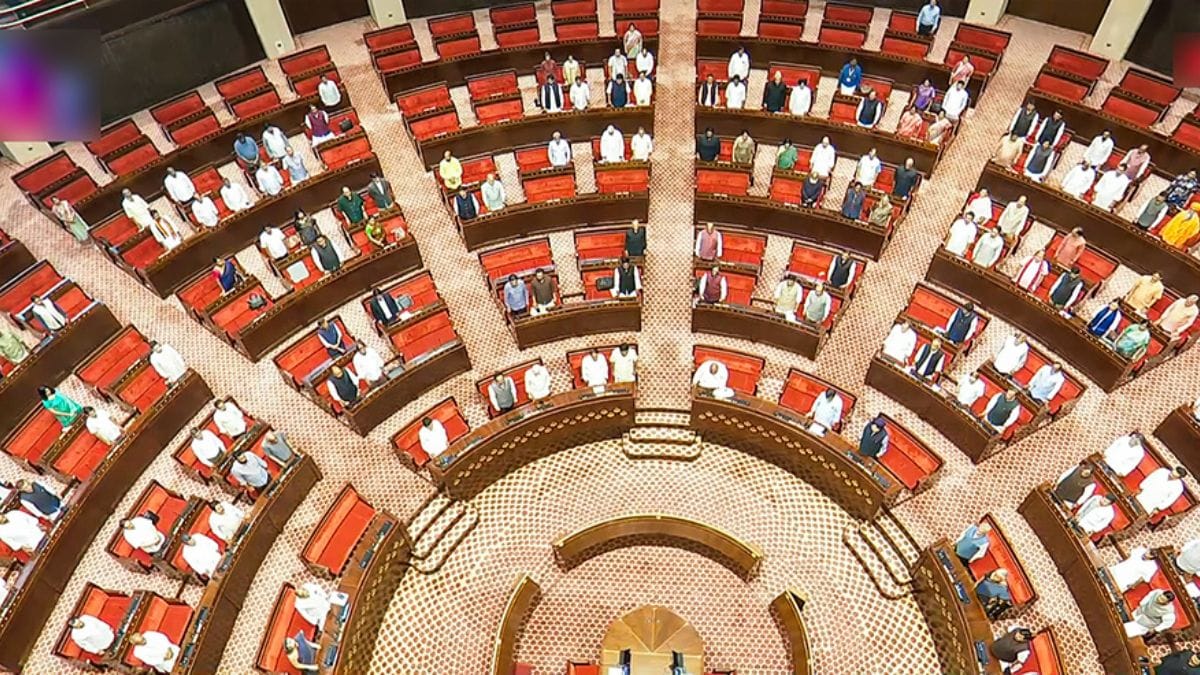
In recent times, the Rajya Sabha, India's upper house of Parliament, has increasingly become a platform for states to voice their grievances rather than a forum for legislative discourse. This shift in focus has profound implications for the functioning of Indian democracy and the relationship between the central and state governments. The current dynamics suggest that high-discipline parties, which are predominantly state parties with a singular agenda, seem to dominate the proceedings, while low-discipline parties, often national in scope, struggle to maintain coherence and focus on broader national issues.
The composition of the Rajya Sabha reflects a significant trend: the dominance of state-specific parties. These parties are often formed to address local issues and represent regional interests, making them highly disciplined when it comes to their agendas. For example, parties like the Trinamool Congress (TMC) from West Bengal, the Dravida Munnetra Kazhagam (DMK) from Tamil Nadu, and the Aam Aadmi Party (AAP) from Delhi are all focused on state-centric issues. This has led to a scenario where the Rajya Sabha is increasingly perceived as a complaint desk for states, where representatives seek redress for local grievances rather than engaging in national policymaking.
The nature of questions being raised in the Rajya Sabha has shifted towards local concerns. Instead of addressing overarching national policies, many questions focus on specific state issues, such as demands for increased funding for state projects, grievances regarding central policies perceived as detrimental to state interests, and calls for more autonomy in governance. This trend not only highlights the growing dissatisfaction among states but also reflects a broader discontent with the central government's approach to federalism.
For instance, questions regarding the implementation of the Goods and Services Tax (GST), agricultural policies, and disaster relief funding have taken center stage. These concerns underscore a growing sentiment among state representatives that their voices are often overlooked in the national dialogue. The Rajya Sabha, therefore, is becoming less about legislative debate and more about addressing these urgent local matters.
This shift raises several critical questions about the effectiveness of national governance in India. If the Rajya Sabha continues to operate primarily as a venue for state complaints, the potential for constructive policymaking at the national level diminishes significantly. The focus on state grievances can lead to a fragmented national agenda, where issues that require collective action are sidelined in favor of parochial interests.
Moreover, this pattern can exacerbate tensions between the central and state governments. When state parties feel that their issues are not adequately addressed, it can lead to further polarization and conflict. This is particularly concerning in a diverse country like India, where regional disparities can fuel discontent and demand for greater autonomy.
Interestingly, national parties appear to be at a crossroads. Low-discipline national parties, which traditionally represented a wide array of interests, now find themselves competing against more focused state parties. This has led to a dilution of their influence in the Rajya Sabha. As national parties struggle to articulate a cohesive national agenda, they risk becoming irrelevant in the face of the compelling local narratives presented by state parties.
Furthermore, the current political landscape suggests that national parties may need to adopt more regional strategies to regain their footing. Engaging with state-specific issues and forming coalitions with state parties might be necessary for national parties to remain relevant and effective in governance.
As the Rajya Sabha continues to evolve into a platform for state grievances, it becomes increasingly important to strike a balance between state and national interests. Policymakers must recognize the value of addressing local issues while ensuring that national priorities are not neglected. This can be achieved through more collaborative governance models that encourage dialogue between the central and state governments.
One potential solution is to enhance the role of the Rajya Sabha in the legislative process by ensuring that it plays an active role in shaping national policies that consider state-specific concerns. This could involve creating dedicated committees within the Rajya Sabha tasked with addressing regional issues while also contributing to broader national policy discussions.
In conclusion, the Rajya Sabha's transformation into a complaint desk for states highlights a critical challenge in Indian governance. While it is essential for state grievances to be heard, it is equally important to foster a national dialogue that reflects the diverse needs of all citizens. Moving forward, a more balanced approach that respects both state and national interests will be crucial for the health of Indian democracy and the effectiveness of its governance.


Loading more news...
You've reached the end of our news feed. Check back later for more updates!