Science
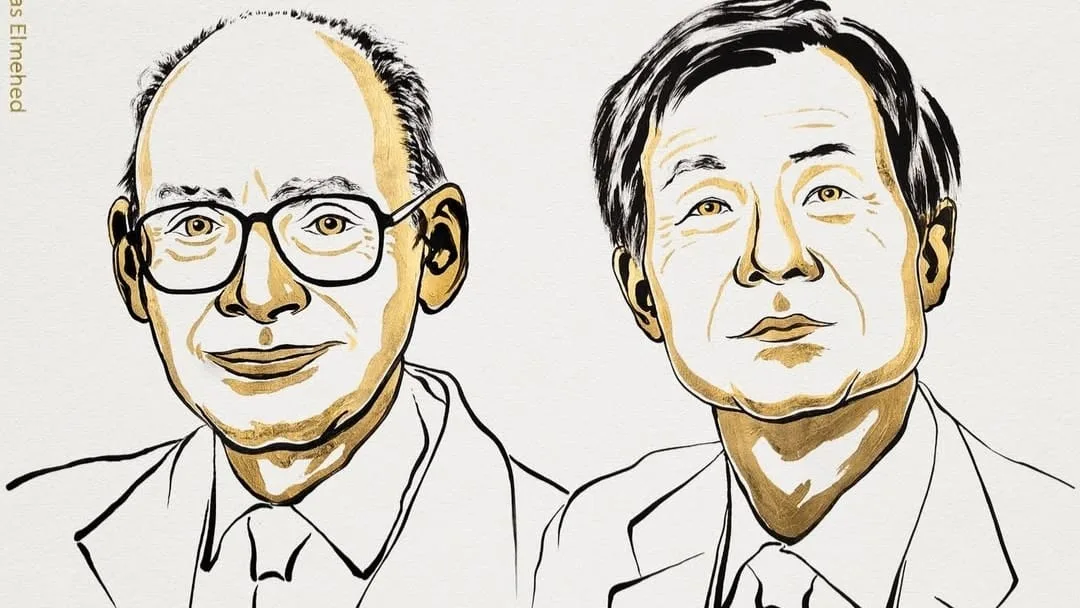
Henri Kagan wins Nobel Prize at 95: Check out his contributions to chemistry and pharmacy
October 9, 2026
2,834 views
Pune-based scientists develop synthetic gas that can become an alternative to LPG

In a remarkable advancement for India's energy sector, scientists from the Council of Scientific and Industrial Research–National Chemical Laboratory (CSIR-NCL) have developed an indigenous technology for the production of Dimethyl Ether (DME). DME is a clean-burning fuel that can be effectively blended with Liquefied Petroleum Gas (LPG), offering a sustainable alternative for cooking fuel. This innovative technology not only aims to reduce India's reliance on imported fuels but also significantly contributes to the country's efforts towards achieving energy self-reliance.
As India continues to grapple with the challenges of energy security and rising fuel costs, the introduction of DME presents a compelling solution. DME is known for its environmental benefits, including low emissions of particulate matter and greenhouse gases when burned. Additionally, its potential for blending with LPG could enhance the overall efficiency of cooking practices across the nation. This dual advantage of sustainability and efficiency makes DME a pivotal player in India's transition towards cleaner energy sources.
One of the standout features of the technology developed by CSIR-NCL is its cost-effectiveness. The researchers have designed a process that minimizes production costs while maintaining high efficiency. This is particularly important for a country like India, where energy affordability is crucial for the vast population. By utilizing local resources and optimizing the production process, the technology holds promise for scalability and widespread adoption.
The financial implications of this innovation extend beyond mere production costs. By reducing the need for imported cooking fuel, India can achieve substantial savings in foreign exchange. The reliance on international markets for energy supplies often exposes the country to volatile price fluctuations, which can have detrimental effects on the economy. DME, being produced domestically, could mitigate these risks and enhance economic stability.
Beyond the economic advantages, the environmental benefits of DME cannot be overstated. As the world grapples with climate change and the urgent need for cleaner energy solutions, DME emerges as a frontrunner. It can be produced from renewable resources, making it a sustainable option that aligns with India's commitment to reducing carbon emissions and promoting green technologies. The clean combustion of DME results in significantly lower emissions of harmful pollutants compared to traditional fossil fuels, contributing to improved air quality and public health.
While the development of DME technology is a significant milestone, there are challenges that lie ahead. Public awareness and acceptance of DME as a cooking fuel will be crucial for its adoption. Additionally, the infrastructure for distribution and storage of DME needs to be established to ensure a seamless transition from conventional fuels. Collaborations between government bodies, private sector players, and research institutions will be essential to overcome these hurdles and scale up production.
The indigenous technology for producing Dimethyl Ether developed by CSIR-NCL is a groundbreaking step towards a sustainable energy future for India. By reducing reliance on imported fuels, offering cost-effective production methods, and enhancing environmental sustainability, DME represents a holistic solution to some of the pressing energy challenges faced by the nation. As stakeholders come together to support this initiative, the dream of energy self-reliance and a cleaner environment becomes increasingly attainable.


Loading more news...
You've reached the end of our news feed. Check back later for more updates!