Science
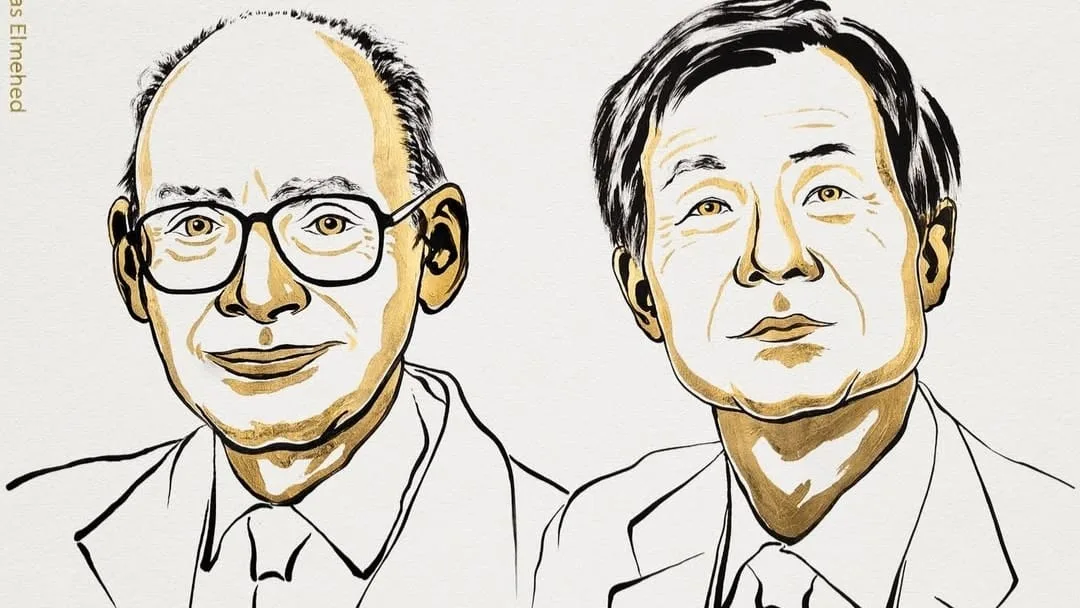
Henri Kagan wins Nobel Prize at 95: Check out his contributions to chemistry and pharmacy
October 9, 2026
2,834 views
Pune-based scientists develop synthetic gas that can become an alternative to LPG

In a significant breakthrough for India's energy sector, scientists at the Council of Scientific and Industrial Research-National Chemical Laboratory (CSIR-NCL) have developed a pioneering indigenous technology for the production of Dimethyl Ether (DME). This clean-burning fuel has emerged as a promising alternative to Liquid Petroleum Gas (LPG), offering a sustainable solution that aligns with the country's goals of reducing dependence on imported cooking fuel and enhancing energy self-reliance.
Dimethyl Ether is considered a clean fuel that can serve as a complete substitute for LPG in cooking applications. Its combustion produces minimal pollutants, making it an environmentally friendly option. As concerns over air quality and climate change intensify, the adoption of DME could play a crucial role in mitigating these issues. The scientists at CSIR-NCL believe that this innovative fuel could significantly reduce the carbon footprint associated with conventional cooking fuels.
The technology developed by CSIR-NCL is not only innovative but also cost-effective, making it feasible for large-scale production. It leverages indigenous resources and processes, which are crucial for India, a country that has been heavily reliant on imported energy sources. By producing DME locally, India can reduce its import bill and save substantial amounts of foreign exchange. This technological advancement aligns with the government’s push for Atmanirbhar Bharat, or self-reliant India, emphasizing the need for sustainability and self-sufficiency in energy production.
The economic implications of this development are profound. With the global demand for clean and sustainable energy solutions on the rise, the ability to produce DME locally positions India as a potential leader in the clean fuel domain. The technology could create new avenues for jobs in the energy sector and stimulate growth in related industries. Moreover, by reducing the need for imported cooking fuels, the country can enhance its energy security and stabilize prices in the domestic market, benefiting millions of households.
While the development of DME technology is a remarkable achievement, several challenges remain before it can be widely adopted. Infrastructure for storage and distribution of DME needs to be established, as it differs from LPG in terms of handling and transport. Moreover, public awareness and acceptance of DME as a safe and reliable cooking fuel are crucial for its success. The CSIR-NCL team is actively working on these challenges, collaborating with policymakers and industry stakeholders to ensure a smooth transition to this cleaner fuel alternative.
The innovation by CSIR-NCL marks a pivotal moment for India's energy landscape. As the country grapples with the dual challenges of environmental degradation and energy security, the development of indigenous technologies like DME production holds the key to a sustainable future. By embracing such advancements, India not only moves closer to energy independence but also contributes to global efforts to combat climate change. The path forward will require collaboration, investment, and a commitment to sustainability, but the potential rewards are immense.


Loading more news...
You've reached the end of our news feed. Check back later for more updates!