Politics
धरना-प्रदर्शनों का नया कारोबार: लोकतंत्र की आड़ में आखिर किसके हित साधे जा रहे हैं?
October 10, 2026
1,612 views

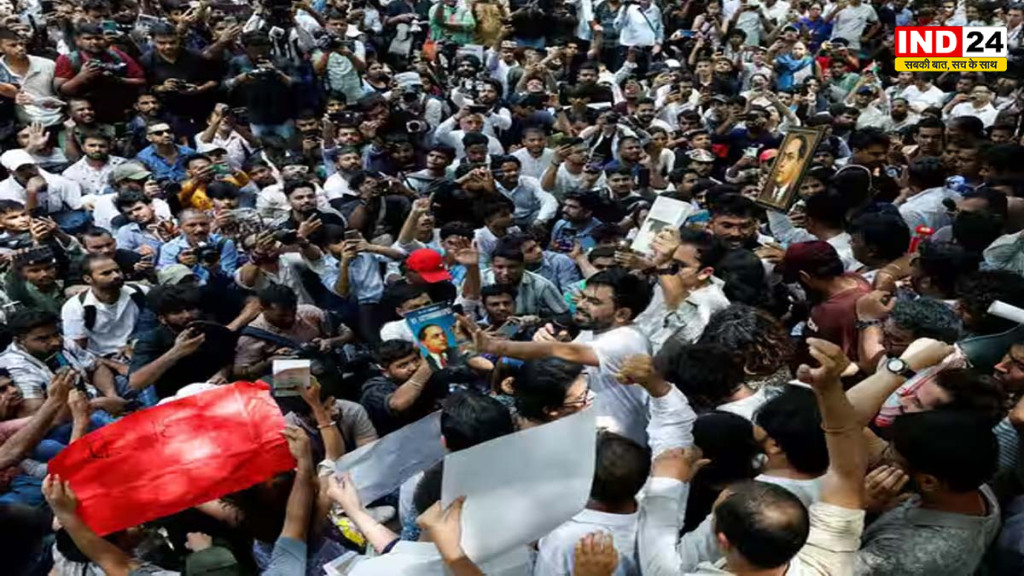
In a significant escalation of unrest, students across Jharkhand have launched large-scale protests in response to allegations of a paper leak related to the Jharkhand Public Service Commission (JPSC) and the Jharkhand Staff Selection Commission (JSSC) examinations. The protests have intensified, with many students engaging in hunger strikes, demanding a thorough Central Bureau of Investigation (CBI) probe into the matter. The unrest highlights growing frustrations among the youth regarding job opportunities and the transparency of examination processes in the state.
The roots of the protests can be traced back to the recent revelations regarding irregularities in the JPSC and JSSC examination processes. Students allege that the integrity of the examinations has been compromised, leading to a significant public outcry. Many students feel that such anomalies not only jeopardize their future but also reflect a broader issue of corruption within the state’s recruitment processes.
Amid the ongoing protests, students have articulated several key demands. Foremost among these is a demand for a CBI investigation into the alleged paper leak. They believe that a thorough inquiry is essential to restore trust in the examination system. Additionally, students are calling for immediate reforms to ensure greater transparency and fairness in future examinations. They are advocating for the implementation of stricter measures to prevent any form of malpractice in recruitment processes.
In response to the mounting protests, Chief Minister Hemant Soren has expressed a willingness to engage in dialogue with the students. The Chief Minister has invited student leaders for talks to address their concerns. However, many students remain skeptical, expressing doubts about the government’s commitment to taking meaningful action. They argue that previous promises have not been fulfilled, and they are determined to continue their protests until their demands are met.
The ongoing protests have had a profound impact on the student community in Jharkhand. Many students, who are already under immense pressure to secure employment, are now facing additional stress due to the uncertainty surrounding the examination outcomes. The hunger strikes have drawn attention to the plight of these students, with many expressing their desperation to achieve their career aspirations in a fair and just manner.
The protests have garnered support from various student organizations and civil rights groups across the state. Solidarity marches have been organized, and many individuals are coming together to amplify the students’ voices. The situation has sparked a broader debate about youth unemployment and the need for systemic reforms in the recruitment process in Jharkhand and beyond.
As the protests continue, the future remains uncertain. Student leaders have vowed to maintain their momentum until their demands are addressed. They have emphasized the importance of unity among students, urging others to join the cause for transparency and fairness. The potential for escalation in the protests remains high, particularly if the government fails to respond adequately to their concerns.


Loading more news...
You've reached the end of our news feed. Check back later for more updates!