
Politics
धरना-प्रदर्शनों का नया कारोबार: लोकतंत्र की आड़ में आखिर किसके हित साधे जा रहे हैं?
October 10, 2026
1,612 views
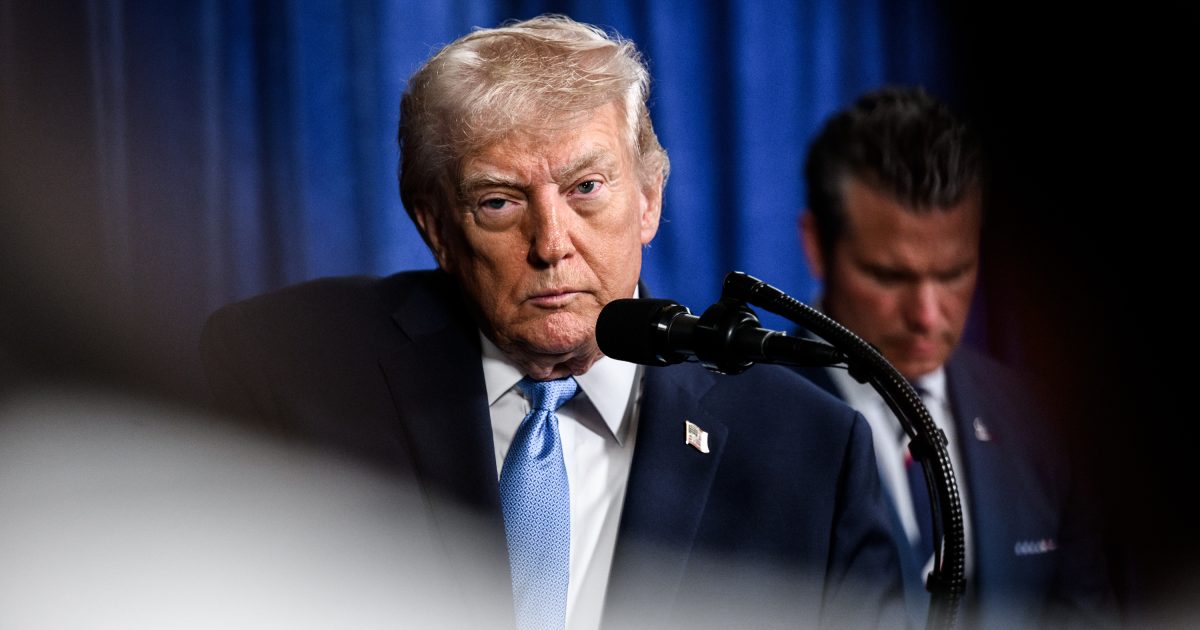
In a significant escalation of tensions between the United States and Iran, President Donald Trump has ordered the U.S. Navy to implement a strict blockade of the Strait of Hormuz. This critical waterway serves as a major artery for global oil transportation, with approximately 20% of the world’s oil passing through its narrow confines. The order, which takes effect immediately, comes in response to Iran's continued defiance of international nuclear demands and its aggressive posturing in the region.
The Strait of Hormuz, a vital choke point for oil shipments, has been a flashpoint for geopolitical strife for decades. The recent tensions have been exacerbated by Iran's actions, which include the alleged harassment of commercial vessels and threats to disrupt shipping lanes. President Trump’s decision to take military action reflects growing frustration with Iran's nuclear ambitions and its support for militant groups throughout the Middle East. This blockade represents a calculated effort to assert U.S. dominance in the region and to protect vital shipping interests.
The announcement of the blockade has immediate implications for global oil markets, which are already sensitive to geopolitical developments. Analysts predict that the move could lead to increased oil prices as shipping routes become fraught with uncertainty. Traders are closely monitoring the situation, as any disruption in the flow of oil through the Strait could have ripple effects on global energy supplies. Oil prices are expected to spike as fears of confrontation grow, potentially leading to economic ramifications worldwide.
The international community is closely watching the developments between the U.S. and Iran. While some nations may support the U.S. stance on maintaining stability in the region, others, particularly those aligned with Iran, have expressed concern over the potential for military conflict. European nations have been vocal about their desire for diplomatic solutions, emphasizing the importance of dialogue and negotiation over military posturing. However, the U.S. administration remains firm in its approach, asserting that all options are on the table to ensure the security of its interests and allies.
In light of the blockade, the U.S. military has heightened its readiness in the region. The Navy's presence in the Persian Gulf is significant, with multiple aircraft carriers and support vessels positioned to respond to any threats. The Pentagon has indicated that it will deploy additional forces if necessary, signaling a commitment to safeguarding maritime navigation and confronting any Iranian aggression. This military readiness is not just a deterrent; it also underscores the seriousness with which the U.S. views the situation.
President Trump's decision to blockade the Strait of Hormuz marks a dramatic shift in U.S.-Iran relations, which have been fraught with tension ever since the U.S. withdrew from the Iran nuclear deal in 2018. The ongoing confrontation highlights the challenges of dealing with a regime that has repeatedly challenged international norms. As the U.S. seeks to apply pressure on Tehran, the prospects for diplomatic engagement seem increasingly dim. The blockade could serve as a catalyst for further escalation, potentially leading to military confrontations.
As the situation develops, the blockade of the Strait of Hormuz represents a dangerous gamble by the Trump administration. While aimed at deterring Iranian aggression, it also risks igniting a broader conflict that could have devastating consequences for the region and beyond. The world watches with bated breath as the U.S. Navy prepares to enforce this blockade, with the hope that cooler heads will prevail and that a path to diplomacy can still be found.

Loading more news...
You've reached the end of our news feed. Check back later for more updates!