Politics
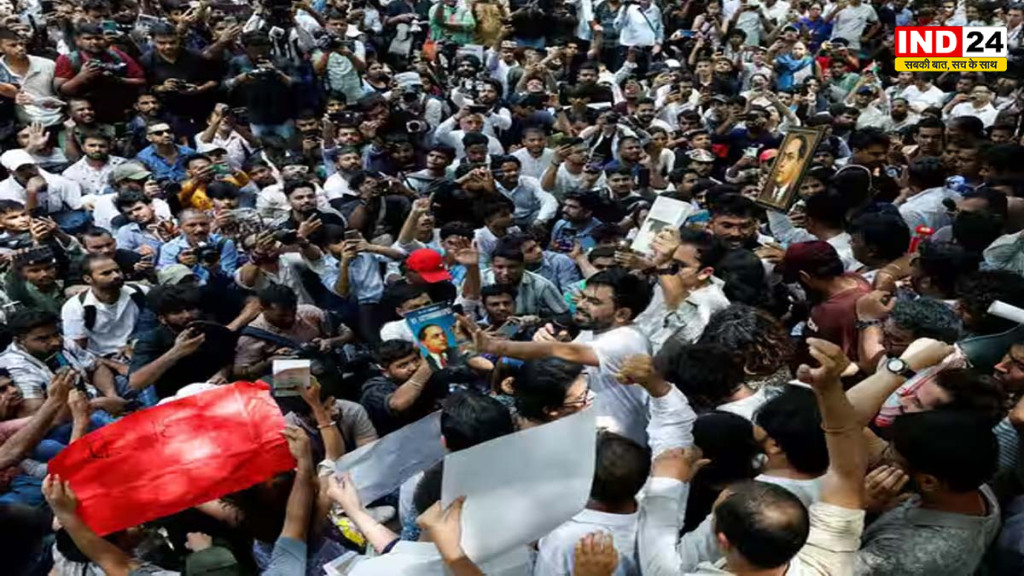
धरना-प्रदर्शनों का नया कारोबार: लोकतंत्र की आड़ में आखिर किसके हित साधे जा रहे हैं?
October 10, 2026
1,612 views
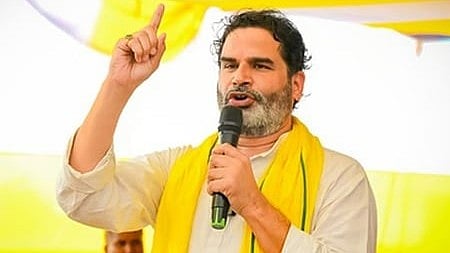
In a recent statement that has sparked significant political discourse, Prashant Kishor, a prominent political strategist and former member of the Janata Dal (United), accused the Bharatiya Janata Party (BJP) of imposing a new Chief Minister in Bihar. Kishor labeled the entire process of government formation as undemocratic, raising concerns about the integrity of the electoral process in the state. His remarks come in the wake of the NDA's (National Democratic Alliance) victory in the Bihar Assembly elections, where they secured a total of 202 seats.
Kishor's allegations are centered around the claim that the NDA's mandate was not achieved through fair electoral practices but rather through manipulative tactics. He contended that the BJP had resorted to “backdoor” methods to win the elections, which included the direct distribution of money to constituents. This assertion raises critical questions about the efficacy of the electoral process in Bihar and the ethics of the political strategies employed by major parties.
By declaring the government formation as undemocratic, Kishor aims to shed light on the potential erosion of democratic values in Bihar. His statements resonate with several opposition leaders who have long accused the BJP of undermining democracy by leveraging financial power and political influence. The implications of such allegations could be significant, potentially affecting public perception and trust in the current government.
The public reaction to Kishor's statements has been mixed. While some political analysts and opposition supporters agree with his assessment, others view his comments as an attempt to discredit the legitimacy of the newly formed government. The political landscape in Bihar is already polarized, and Kishor's remarks may further deepen the divide between the ruling NDA and the opposition parties.
Furthermore, Kishor's involvement in the recent elections has been a point of contention. Once a key strategist for the JD(U), his departure from the party and subsequent criticisms of its alliance with the BJP have positioned him as a vocal opponent of the current government. His credibility as a political strategist is now being scrutinized, as many wonder if his claims are backed by substantial evidence or merely serve as political rhetoric.
Bihar has a complex political history characterized by shifting alliances and power struggles. The state has seen various political parties rise and fall, with the BJP and its allies often at the forefront of governance. Kishor's allegations are not only a critique of the current government but also a reflection of the ongoing tussle for power that has defined Bihar's politics. The last few decades have seen a trend where money power and influence play a central role in elections, raising concerns about the overall health of democracy in the region.
Looking ahead, the political climate in Bihar appears uncertain. Kishor's statements may embolden opposition parties to challenge the legitimacy of the NDA's governance, potentially leading to increased political activism and public discourse around electoral reforms. As voters become more aware of the implications of financial influence in politics, there may be a growing call for transparency and accountability in the electoral process.
Moreover, Kishor's critique could lead to a reassessment of strategies for future elections. Opposition parties may find new ways to connect with voters, focusing on grassroots movements and addressing the concerns of the electorate beyond monetary incentives. The outcome of this political drama could shape Bihar's future governance and political dynamics for years to come.
Prashant Kishor's strong allegations against the BJP and the NDA highlight a critical moment in Bihar's political landscape. As discussions surrounding the integrity of government formation and electoral fairness continue, it becomes imperative for all stakeholders to reflect on the values that underpin democracy. The people of Bihar deserve a government that is not only elected through fair means but also committed to serving their interests genuinely. Moving forward, the focus should be on fostering a political environment that prioritizes transparency, accountability, and the true spirit of democracy.


Loading more news...
You've reached the end of our news feed. Check back later for more updates!