
Technology
ONLYOFFICE 10.0 brings AI tools, modular apps, and stronger security to its open-source office suite
October 10, 2026
2,931 views
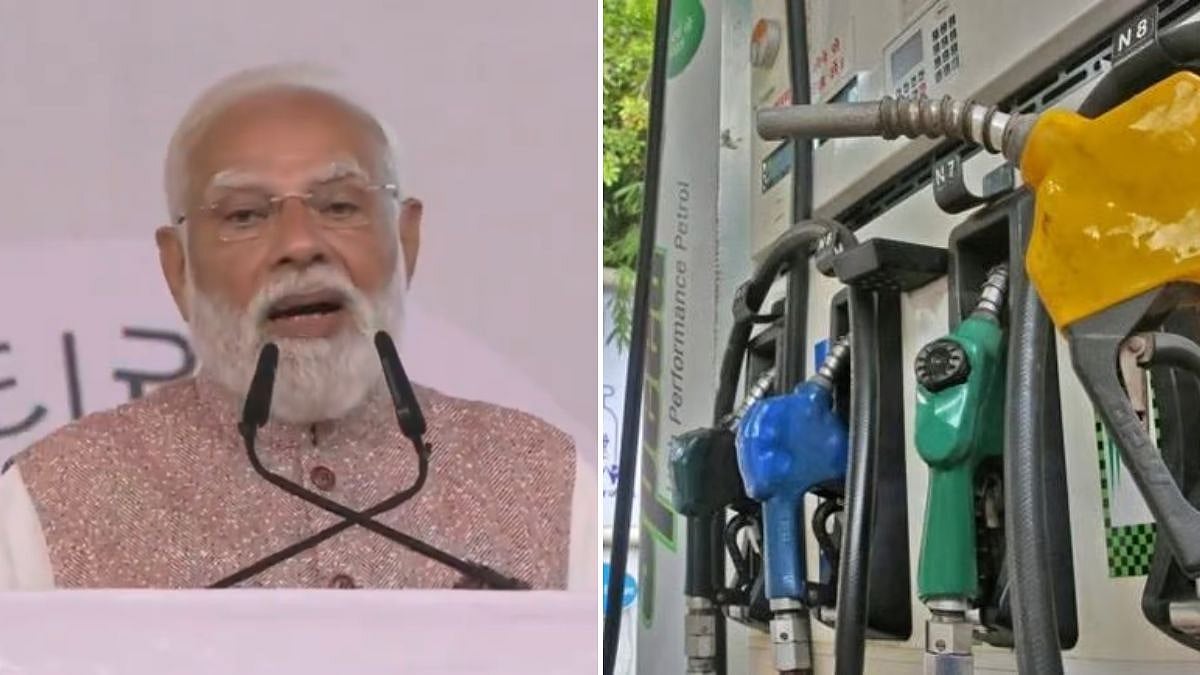
In a significant response to Prime Minister Narendra Modi's recent appeal to the nation regarding the reduction of fuel consumption, Mumbai is witnessing a remarkable shift in commuting patterns among its office-goers. The bustling metropolis, known for its heavy traffic and congestion, is experiencing a growing trend where commuters are increasingly abandoning their private vehicles in favor of shared mobility solutions. This transition not only reflects a change in mindset towards sustainable transportation but also highlights the economic benefits associated with utilizing shared services.
As the cost of fuel continues to rise, many Mumbaikars are opting for shared mobility options such as pool cabs, app-based buses, and ridesharing services. The appeal of these alternatives lies not only in their affordability but also in the reduced environmental impact they offer. By sharing rides, office-goers are not only saving money but also contributing to a decrease in traffic congestion and pollution levels within the city. This shift aligns perfectly with the Prime Minister's message of sustainability and responsible fuel usage, urging citizens to be more conscious of their transportation choices.
One of the primary motivations behind the move towards shared mobility is the significant cost savings it provides. With rising fuel prices and the maintenance costs associated with private vehicles, many commuters are realizing that utilizing shared services can lead to substantial financial relief. For instance, ridesharing platforms allow users to split fares, making travel more economical compared to the expenses incurred from owning and operating a personal vehicle.
Moreover, the convenience offered by app-based services has also played a crucial role in this transition. With just a few taps on their smartphones, office-goers can arrange for a ride that picks them up from their doorstep and drops them off at work, eliminating the hassle of navigating through Mumbai's notoriously congested roads. This enhanced convenience, coupled with cost-effectiveness, is driving more people to consider shared mobility as a viable commuting option.
Beyond the economic advantages, the environmental benefits of shared mobility cannot be overlooked. By reducing the number of private vehicles on the road, shared services contribute to lower greenhouse gas emissions and improved air quality. This is particularly crucial in urban areas like Mumbai, where pollution levels have been a growing concern. The collective effort of commuters choosing shared rides can lead to a significant reduction in the city's overall carbon footprint, aligning with broader national goals for sustainability and climate action.
Prime Minister Modi's appeal has resonated with many citizens who are now more aware of their environmental responsibilities. As a result, the cultural shift towards shared mobility is not just a trend but a movement towards a more sustainable future for urban transportation.
While the shift towards shared mobility in Mumbai is promising, it is not without its challenges. Issues such as safety concerns, the reliability of services, and the need for better infrastructure to support these modes of transport remain significant hurdles. Commuters often express apprehension about the safety of ridesharing, particularly for women traveling alone. To address these concerns, companies must prioritize safety measures, including background checks for drivers and improved tracking features within their apps.
Additionally, as the demand for shared mobility increases, there is a pressing need for the city to invest in the necessary infrastructure to support this transition. Enhanced public transport systems, dedicated lanes for shared vehicles, and better integration of these services with existing transportation networks will be essential to ensure the long-term viability and success of shared mobility in Mumbai.
The appeal made by Prime Minister Narendra Modi has sparked a significant change in commuting behaviors among Mumbai's office-goers. As more individuals opt for shared mobility, the benefits—both economic and environmental—become increasingly evident. The city stands at a crossroads, with the potential to lead the way in sustainable urban transportation. However, addressing the challenges that accompany this shift will require collaboration between government authorities, service providers, and the public. Together, they can create a more efficient, safer, and environmentally friendly commuting experience for all Mumbaikars.

Loading more news...
You've reached the end of our news feed. Check back later for more updates!