Politics
धरना-प्रदर्शनों का नया कारोबार: लोकतंत्र की आड़ में आखिर किसके हित साधे जा रहे हैं?
October 10, 2026
1,612 views
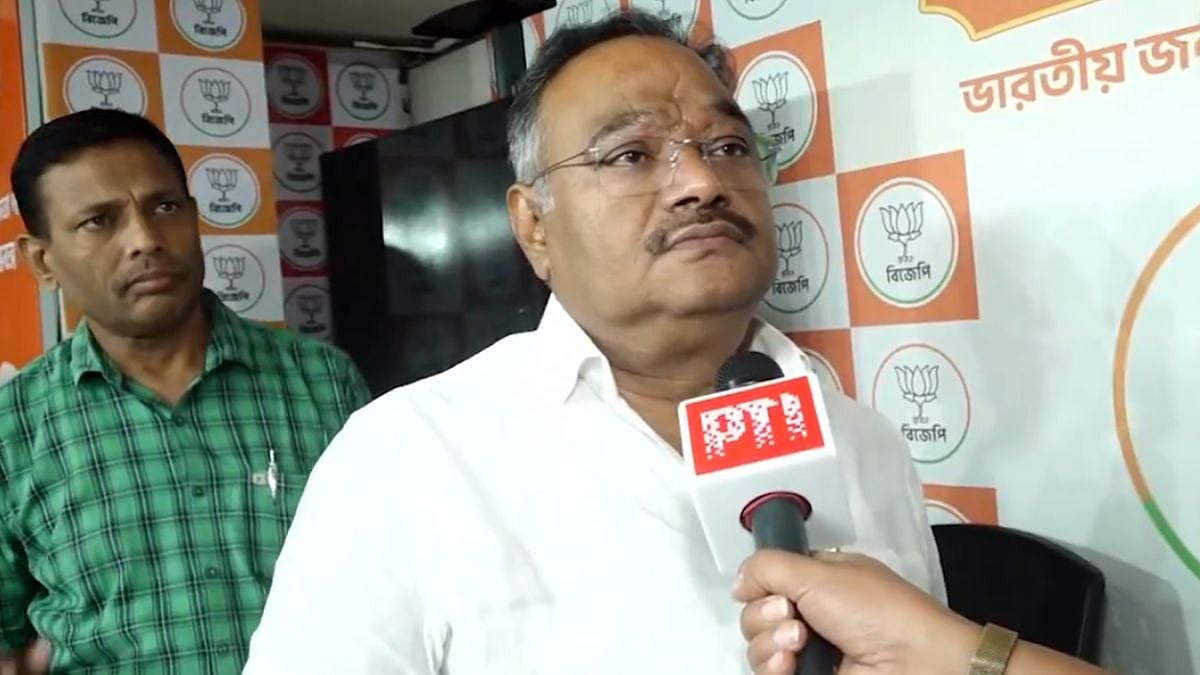
As the counting of votes for the 293 assembly seats in West Bengal commenced, the atmosphere was charged with anticipation and excitement. The state president of the Bharatiya Janata Party (BJP), Samik Bhattacharya, expressed overwhelming confidence in the party's prospects, asserting that the people of Bengal have decisively rejected the ruling Trinamool Congress (TMC) and its leader, Mamata Banerjee. This statement reflects a broader sentiment among BJP leaders who believe that voters are seeking a change in governance.
West Bengal has historically been a stronghold for the TMC, especially under the leadership of Mamata Banerjee, who has been in power since 2011. However, the recent elections have been marked by intense rivalry and fierce campaigning, with the BJP emerging as a formidable opponent. The party's strategy has focused on addressing local issues and highlighting the shortcomings of the TMC government. Bhattacharya’s confidence stems from various factors, including a significant grassroots campaign and the mobilization of voters who are dissatisfied with the current administration.
Throughout the election period, BJP candidates have echoed Bhattacharya's sentiments, suggesting that the electorate is yearning for a transformation in leadership. There are indications that the BJP has made significant inroads in areas traditionally dominated by the TMC, particularly in rural regions where issues such as unemployment and law and order have been focal points of concern. The party's messaging has resonated with many voters, who are looking for alternatives to the incumbent government.
The elections in West Bengal have been characterized by numerous contentious issues. The TMC has faced criticism over its handling of the COVID-19 pandemic, with accusations of mismanagement and inadequate healthcare infrastructure. Additionally, allegations of corruption and nepotism have tainted the image of the ruling party. In contrast, the BJP has campaigned on promises of development, economic growth, and improved governance, appealing to voters' aspirations for a better future.
BJP's robust campaign strategy included extensive outreach programs, rallies, and the use of social media to connect with younger voters. The party employed a mix of traditional and modern campaigning techniques, ensuring that their message reached every corner of the state. This multifaceted approach has been instrumental in galvanizing support and fostering a sense of unity among party workers and supporters.
As the counting progresses, all eyes are on the results that will determine the future political landscape of West Bengal. Should the BJP secure a significant victory, it would mark a historic shift in the state's political dynamics, potentially altering the balance of power in Indian politics. Conversely, a win for the TMC may reaffirm Mamata Banerjee's position and validate her government's policies and strategies.
Voter turnout has been relatively high, indicating a strong public interest in the electoral process. Many citizens are closely monitoring the counting, hopeful that their votes will lead to meaningful change. The sentiment among the populace varies, with some firmly backing the BJP's vision for the state, while others remain loyal to the TMC, emphasizing the achievements of Banerjee's administration.
The counting of votes in West Bengal is not just about determining the next government; it represents a pivotal moment in the state's political history. The outcome will resonate beyond the borders of West Bengal, influencing political strategies and party dynamics across India. As results begin to emerge, the implications for governance, policy-making, and citizen engagement will be closely examined.
Regardless of the outcome, this election cycle has underscored the importance of democratic engagement and the power of the electorate to shape their future. The people of Bengal have spoken, and as the results unfold, their voices will be heard loud and clear in the corridors of power.


Loading more news...
You've reached the end of our news feed. Check back later for more updates!