Politics
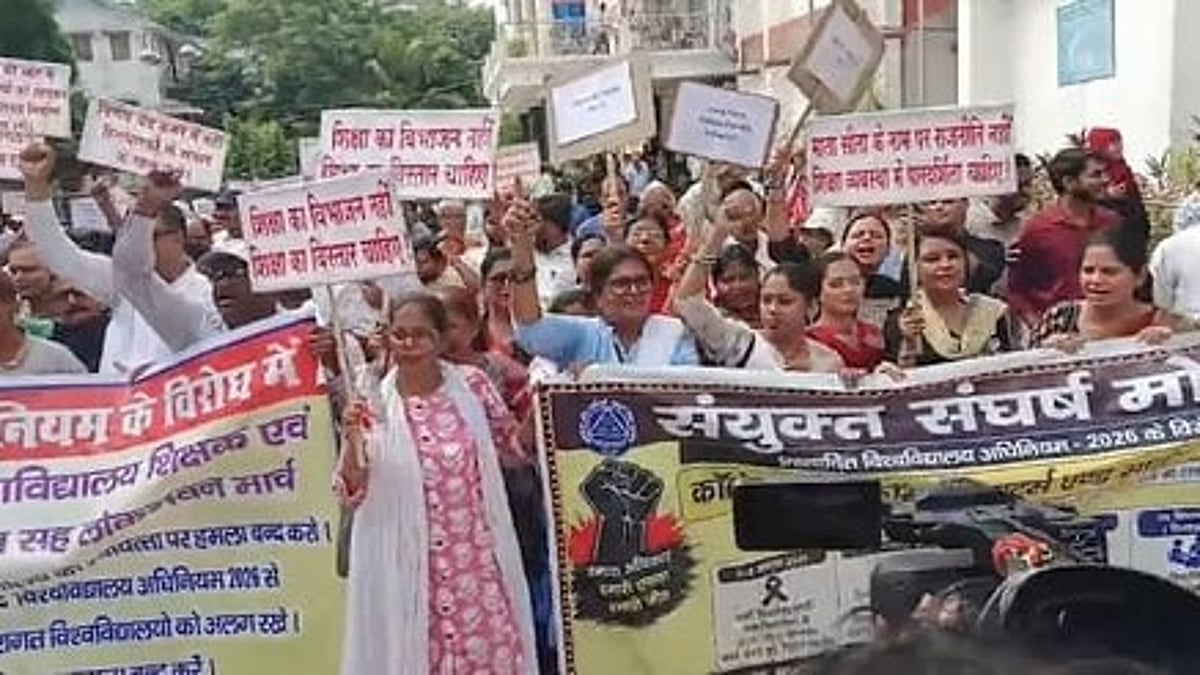
Bihar: Over 50 held in protest against Mata Sita women’s university
October 10, 2026
1,707 views

In a tragic turn of events, the recent suicide of a student from the prestigious Indian Institute of Technology (IIT) Delhi has reignited the debate surrounding the mental health of students in India’s rigorous academic system. Pawan Khera, a prominent political figure, has called for an independent investigation into the alarming trend of suicides among IIT students, questioning whether the current educational framework supports students or contributes to their distress.
The suicide of the IIT Delhi student, whose identity has not been disclosed, has sent shockwaves across the nation. This incident is part of a disturbing pattern, with numerous reports indicating that students at these elite institutions are increasingly facing immense pressure. The demanding curriculum, coupled with high expectations from families and society, often leads to overwhelming stress. Khera's call for an investigation highlights a critical issue that extends beyond the individual tragedies, pointing to systemic failures within the education system.
Pawan Khera’s poignant question encapsulates the dilemma faced by many students in India today. The educational environment in IITs, known for their rigorous and competitive nature, often resembles a high-stakes game where the cost of failure can be devastating. Khera argues that rather than nurturing talent and creativity, the current system may be acting as a guillotine, cutting off the hopes and aspirations of bright young minds. This metaphor not only underscores the dire consequences of academic pressure but also calls for a reevaluation of how education is structured and delivered.
The need for a thorough investigation is underscored by the rising mental health crisis among students in India. Reports indicate that many students grapple with anxiety, depression, and other mental health issues, exacerbated by the competitive atmosphere of IITs. Khera’s demand for an independent probe is not just about the individual incidents of suicide but also about understanding the broader implications of an education system that may prioritize grades over well-being.
Khera's appeal has resonated with many, prompting discussions on the need for reform in the educational sector. There is a growing consensus that educational institutions should prioritize student well-being alongside academic excellence. This includes fostering an environment that encourages open discussions about mental health, implementing peer support systems, and providing adequate resources for students struggling with mental health challenges.
In response to the rising concerns, educational authorities have begun to address the issue of mental health in institutes like IIT. Some institutions are implementing programs aimed at reducing stress among students, such as mindfulness workshops and mental health awareness campaigns. However, critics argue that these measures may not be sufficient and that a more comprehensive approach is necessary.
The suicides of students in IITs reflect a broader societal issue that transcends the education system. They highlight the immense pressure placed on young individuals by societal expectations and the competitive landscape of higher education in India. Khera’s call for an independent probe is a reminder that it is not just the responsibility of educational institutions but also of society as a whole to support and nurture the next generation.
In conclusion, Pawan Khera's demand for an independent investigation into the suicides of IIT students highlights a pressing issue that requires immediate attention. The mental health crisis among students is a complex problem that necessitates a multifaceted approach, involving educational reforms, societal changes, and increased awareness. As India strives to foster a generation of innovative thinkers and leaders, it is imperative that the education system evolves to support not just academic success but also the mental and emotional well-being of students.


Loading more news...
You've reached the end of our news feed. Check back later for more updates!