Politics
धरना-प्रदर्शनों का नया कारोबार: लोकतंत्र की आड़ में आखिर किसके हित साधे जा रहे हैं?
October 10, 2026
1,612 views
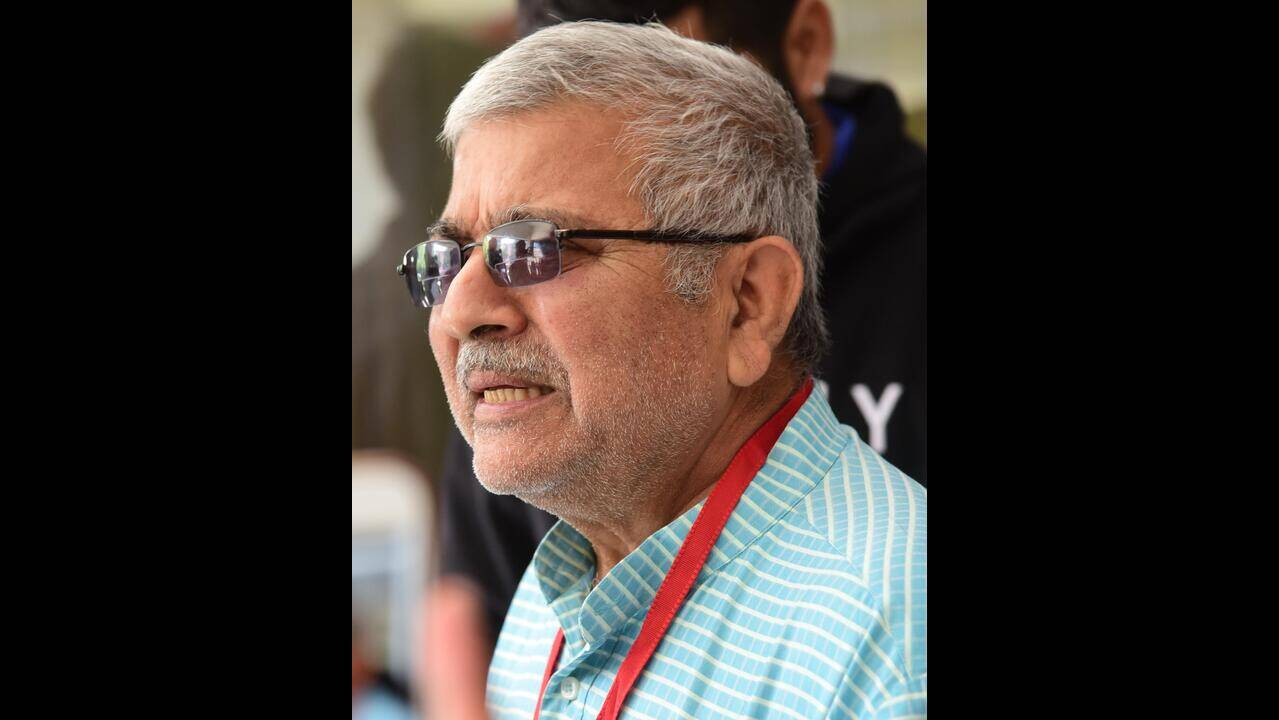
In a significant political statement, Patiala Member of Parliament (MP) has voiced strong concerns regarding the ongoing discussions surrounding women's reservation in the state of Punjab. The MP cautioned that intertwining the issue of women's reservation with the process of delimitation could jeopardize the prospects of equitable representation for women in legislative bodies. This warning comes at a crucial time when the voices advocating for women's rights and representation are becoming increasingly prominent in the political discourse of the region.
The subject of women's reservation has been a point of contention in Indian politics for decades. The demand for a specific percentage of seats for women in legislative assemblies and parliament has gained momentum, with various states recognizing the importance of female representation in decision-making processes. However, the Patiala MP's remarks highlight a growing concern that linking this critical issue to delimitation could distract from the primary goal of empowering women in politics.
Linking women's reservation to delimitation raises critical questions about the commitment to gender equality in politics. The Patiala MP urged political leaders and policymakers to prioritize the implementation of women's reservation independently of delimitation processes. This approach would not only uphold the principles of democracy but also ensure that women's voices are adequately represented in legislative assemblies.
Punjab has a rich history of political activism, and women's participation in politics has been crucial in shaping its political landscape. However, the historical underrepresentation of women in legislative roles has been a persistent challenge. The Patiala MP's warning serves as a reminder that progress is often slow, and any delays in implementing women's reservation could further entrench existing inequalities.
The public response to the MP's statements has been largely supportive, with many activists praising the commitment to women's rights. Social media platforms have seen an outpouring of support for the MP's stance, with hashtags promoting women's reservation gaining traction. Advocacy groups are now calling for a united front to ensure that the voices of women are heard loud and clear in the political sphere.
The warning issued by the Patiala MP highlights a critical juncture in the fight for women's reservation in Punjab. As the state grapples with the complexities of delimitation, it is imperative that women's representation remains a priority in political discourse. The MP's call to decouple these two issues serves as a beacon for advocates of gender equality, urging them to continue the fight for a more inclusive and representative political landscape.


Loading more news...
You've reached the end of our news feed. Check back later for more updates!