
Business
200th St Langley Family Dentistry Outlines Invisalign Costs and Insurance Limits
November 23, 2026
978 views
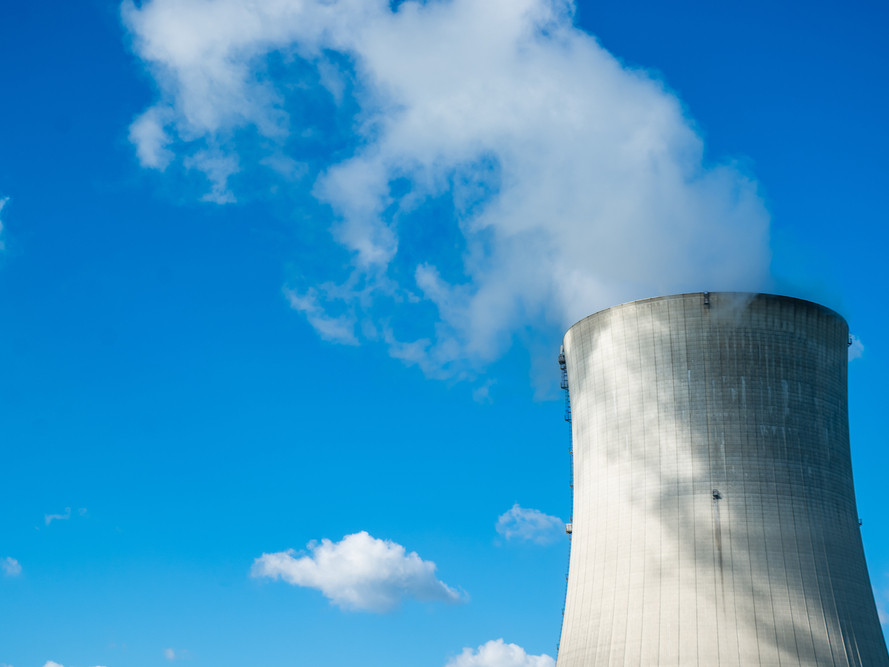
Unable to persuade Armenia to abandon its efforts to join the European Union, Russia is now signaling that it is adopting a harder line. Armenian Prime Minister Nikol Pashinyan evidently is taking the menacing tone of recent Russian statements seriously. It appears the price of keeping the Kremlin at bay for now is the suspension of a nuclear cooperation deal with the United States and an accompanying commitment to have Rosatom, Russia’s nuclear energy entity, build Armenia’s next-generation reactor. Armenia over the past two years has sought to enhance its ties with the West, particularly through the European Union, which has raised concerns in Moscow.
The geopolitical landscape in the South Caucasus has been notably unstable, with Armenia caught in a complex web of alliances. Pashinyan’s administration has been vocal about its aspirations to integrate more closely with European institutions, a move that has not gone unnoticed by the Kremlin. As Armenia navigates its foreign relations, Russia's influence remains a significant factor. The recent nuclear deal suspension indicates a precarious balancing act that Yerevan must maintain.
The suspension of the nuclear cooperation agreement with the United States marks a pivotal shift in Armenia's strategic posture. This agreement, which was meant to foster deeper partnerships in nuclear safety and technology, has now been sidelined in favor of a partnership with Rosatom. Observers suggest that this decision reflects Armenia’s need to appease Russian interests while still attempting to pursue its Western aspirations. Rosatom, being a state corporation of Russia, signifies a return to reliance on Moscow for critical energy infrastructure, which could have long-term implications for Armenia's energy independence.
Armenia's historical ties with Russia have always been complicated by the latter's dominance in the region. The recent shift towards a Russian nuclear partnership may be interpreted as a tactical retreat by Yerevan in the face of Russian threats. Security concerns, particularly regarding Azerbaijan’s aggressive posturing, have further complicated Armenia's geopolitical calculations. By aligning once more with Russia, Armenia may be seeking a semblance of security and stability, albeit at the cost of its sovereignty over energy decisions.
While the suspension of the nuclear deal might temporarily placate Moscow, it raises questions about Armenia's long-term aspirations for EU membership. The European Union has been a vocal supporter of Armenia's sovereignty and democratic development, but this recent nuclear pivot could strain these relations. The EU might perceive Armenia's actions as a setback in its commitment to align with European values and standards. EU officials have expressed concern about the influence of Russia in Armenia, and this latest development may lead to a reevaluation of the EU's approach towards enhancing ties with Yerevan.
Domestically, Pashinyan’s decision has sparked a mix of reactions. Supporters argue that aligning with Russia is a necessary move to ensure national security, especially in light of ongoing tensions with Azerbaijan. Critics, however, contend that this decision undermines Armenia's sovereignty and contradicts the government's commitment to European integration. The political landscape in Armenia is volatile, and Pashinyan's government may face increased pressure from opposition factions that advocate for a more Western-oriented foreign policy. Public sentiment appears divided, with many citizens wary of Russia's intentions and the implications of renewed dependence on Moscow.
The implications of Armenia's nuclear policy shift extend beyond immediate geopolitical concerns. As the country prepares for a new reactor project with Rosatom, questions arise about energy independence and sustainability. The reliance on Russian technology and expertise may inhibit Armenia's capacity to diversify its energy sources and explore alternative partnerships. Environmental considerations also play a role, as Armenia must address the safety and ecological impacts of nuclear energy. Stakeholders in both Armenia and the region will be closely monitoring the developments surrounding this reactor project and its potential ramifications for energy policy.
Pashinyan’s nuclear U-turn represents a significant moment in Armenia's foreign policy and energy strategy. As the country juggles its aspirations for European integration with the pressures exerted by Moscow, it finds itself at a crossroads. The suspension of the nuclear cooperation deal with the United States in favor of a partnership with Rosatom underscores the complexities of Armenia’s geopolitical landscape. Moving forward, Armenia will need to carefully navigate its relationships with both Russia and the West to ensure a stable and secure future.


Loading more news...
You've reached the end of our news feed. Check back later for more updates!