Politics
धरना-प्रदर्शनों का नया कारोबार: लोकतंत्र की आड़ में आखिर किसके हित साधे जा रहे हैं?
October 10, 2026
1,612 views
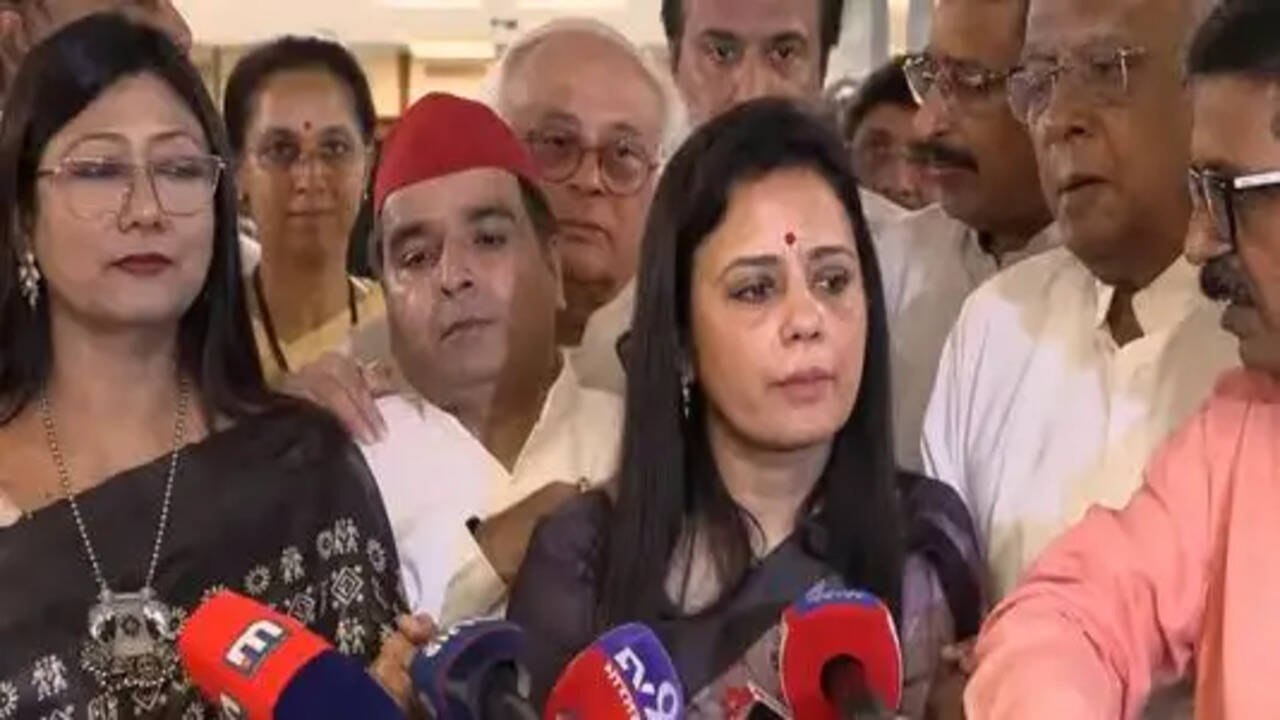
In a dramatic turn of events, the entire Opposition walked out of an all-party meeting in New Delhi, protesting the invitation extended to rebel TMC MPs. This protest highlights growing tensions within the political landscape as the Monsoon Session of Parliament approaches. The Opposition's discontent centers around decisions made by Lok Sabha Speaker Om Birla, including separate seating for the rebel lawmakers. As the situation unfolds, the TMC has called for the disqualification of these MPs, adding to the complexity of the ongoing political discourse. Stay tuned for more updates on this developing story.
The walkout by the Opposition is not merely a reaction to the invitation of rebel Trinamool Congress (TMC) members but rather a manifestation of broader discontent with the current political scenario. The Monsoon Session of Parliament, a crucial period for legislative business, has often been a platform for heated debates and discussions, especially regarding contentious issues such as governance, economic policies, and social welfare initiatives.
The invitation to rebel TMC MPs has hit a nerve, as it symbolizes a fracture within the party itself and raises questions about parliamentary integrity. The TMC, led by Chief Minister Mamata Banerjee, has accused these MPs of betraying the party's mandate. In response to their actions, the TMC has not only called for their disqualification but has also intensified its campaign to retain loyalty among its remaining members. This internal conflict within the TMC has significant implications for its position in the opposition and its ability to challenge the ruling party effectively.
Lok Sabha Speaker Om Birla's decision to allow separate seating for the rebel lawmakers has been a focal point of contention. The Opposition has criticized this move, arguing that it undermines the spirit of unity and cooperation required for effective governance. By recognizing the rebel MPs in this manner, the Speaker may inadvertently legitimize their dissent and create a precedent that could lead to further divisions within political parties.
The call for disqualification of rebel MPs by the TMC adds another layer of complexity to the situation. If these MPs are disqualified, it could trigger a series of by-elections, which could impact the political landscape significantly. The TMC's firm stance on this issue reflects its commitment to maintaining party discipline and unity. However, it also raises questions about the future of these MPs and their political careers, as they navigate the shifting allegiances within the party framework.
Public reaction to the Opposition's walkout and the TMC's call for disqualification has been mixed. Some citizens view the Opposition's actions as a necessary stand against perceived injustices, while others argue that such actions contribute to political instability. Media coverage of the event has been extensive, with various news outlets providing differing perspectives on the implications of these developments. The narrative surrounding the walkout is expected to dominate political discourse in the coming weeks as the Monsoon Session progresses.
As the Monsoon Session of Parliament unfolds, the Opposition's protest signals a pivotal moment in Indian politics. With the potential for further walkouts and heightened tensions, the ability of political parties to navigate these challenges will be crucial. The situation remains fluid, and ongoing developments will determine the effectiveness of the Opposition and the ruling government's strategies moving forward. Political analysts are closely monitoring the situation, as the outcomes could have lasting implications for future elections and party dynamics.
This unfolding drama within the Indian political sphere is a reminder of the complexities inherent in a multi-party democracy. The walkout by the Opposition, the TMC's internal struggles, and the role of the Lok Sabha Speaker all intertwine to create a narrative that is both compelling and indicative of the larger issues at play in the country. As citizens and political stakeholders await the next chapter in this story, one thing remains clear: the road ahead will be anything but predictable.

Loading more news...
You've reached the end of our news feed. Check back later for more updates!