
Politics
ఖాకీ డ్రెస్ వెనుక అంతులేని కారుణ్యం.. గర్భవతిగా ఉన్న కానిస్టేబుల్ కి ఊహించని సర్ఫ్రైజ్
October 17, 2026
2,576 views
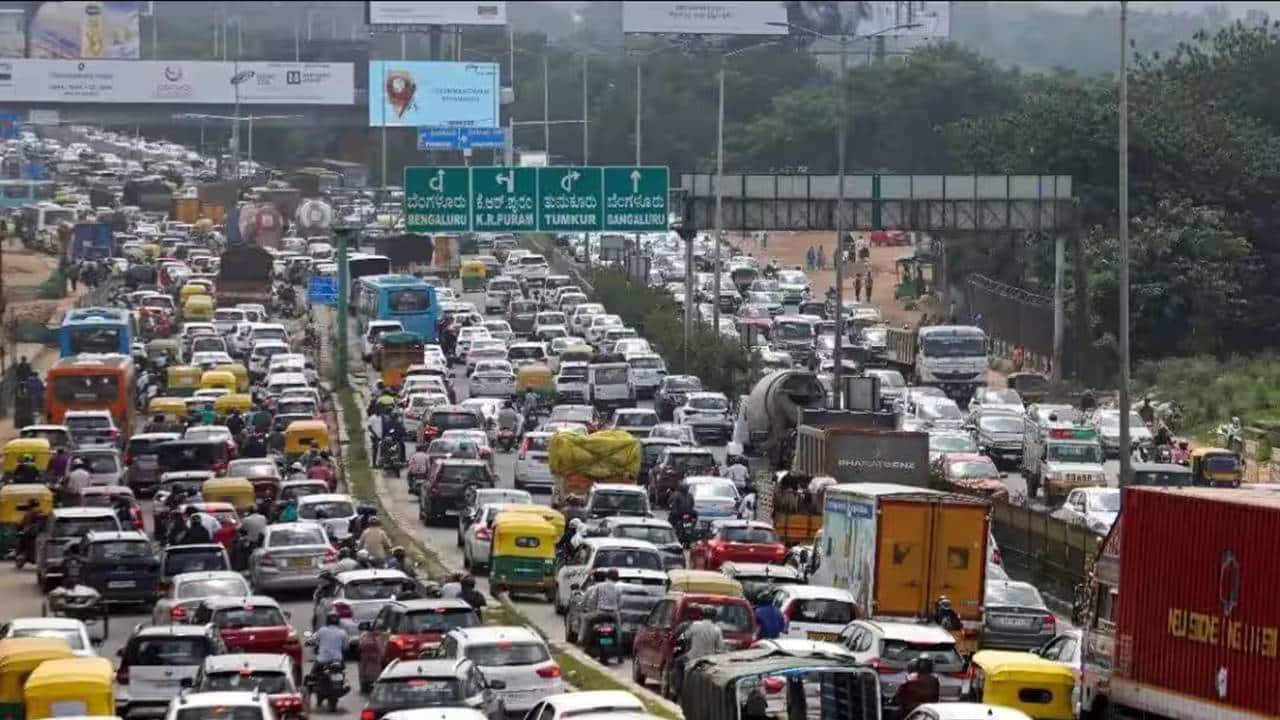
India, a nation known for its rich cultural heritage and vibrant festivals, has repeatedly demonstrated its extraordinary capacity to organize large-scale events, exemplified by the Kumbh Mela. This massive religious gathering, which draws millions of devotees from across the country and beyond, showcases the government’s ability to mobilize resources, ensure security, and manage logistics on an unprecedented scale. However, despite this impressive feat, the everyday reality for many citizens in urban areas is marred by inadequate infrastructure, poor public services, and an overall declining quality of life. The paradox lies in the stark contrast between the ability to host grand events and the failure to create livable cities for the populace.
The Kumbh Mela is not just a religious event; it is a logistical marvel. Each iteration of this festival requires meticulous planning and execution, involving various government departments and agencies working in concert to manage everything from crowd control to sanitation. The sheer scale of the event, which can attract up to 150 million visitors over a few weeks, highlights India’s potential when there is a clear objective and urgency. The success of the Kumbh Mela demonstrates that when necessary, India can deliver on its promises and mobilize vast resources effectively.
While India excels in organizing monumental events, the same level of commitment does not translate to addressing the everyday challenges faced by its citizens in cities. Urban areas are grappling with a myriad of issues, including traffic congestion, inadequate public transport, poor waste management, and a lack of affordable housing. The quality of life for many urban residents falls woefully short of expectations, leaving them to navigate a myriad of obstacles daily. Despite the availability of resources and technological advancements, the urban infrastructure continues to crumble, leading to frustration and disillusionment among the populace.
This disconnect raises critical questions about governance and priorities. Why is it that the same government that can successfully execute a Kumbh Mela struggles to provide basic services in cities? One reason may be the lack of sustained political will to address urban issues. While the spotlight shines on large events, the everyday plight of citizens often goes unnoticed. Moreover, the bureaucratic machinery seems to be more adept at responding to immediate needs rather than implementing long-term solutions that would enhance livability in urban spaces.
To bridge the gap between event management and urban governance, India must reimagine its approach to city planning and public service delivery. This could involve adopting a more integrated and participatory model of governance where citizens play an active role in decision-making processes. Engaging communities in discussions about their needs and aspirations can lead to more tailored solutions that address specific urban challenges. Furthermore, leveraging technology and data analytics can help in better planning and resource allocation, ultimately leading to more efficient public services.
As India continues to urbanize rapidly, the need for sustainable development becomes increasingly urgent. Cities must not only focus on accommodating growing populations but also on ensuring that environmental and social sustainability is at the forefront of urban planning. This includes investing in green spaces, improving public transportation systems, and promoting eco-friendly practices among residents. Sustainable urban development can lead to enhanced quality of life, making cities more attractive places to live and work.
In conclusion, while India’s ability to orchestrate large-scale events like the Kumbh Mela is commendable, it is imperative that this same energy and focus be directed towards making cities more livable. The government must recognize that the quality of life for citizens is a critical measure of success. By fostering a culture of accountability, engaging communities, and prioritizing sustainable development, India can transform its urban landscapes into vibrant, livable spaces that reflect the country’s true potential. It is time for India to channel its extraordinary capabilities not just into events that generate spectacle but into building cities that enhance the everyday lives of its citizens.
Loading more news...
You've reached the end of our news feed. Check back later for more updates!