Politics
Palestinians In Gaza Line Tents With Sandbags To Counter Israeli Bullets
November 25, 2026
3,248 views
Oman moves ships from Mina Al Fahal terminal as precaution, Bloomberg News says
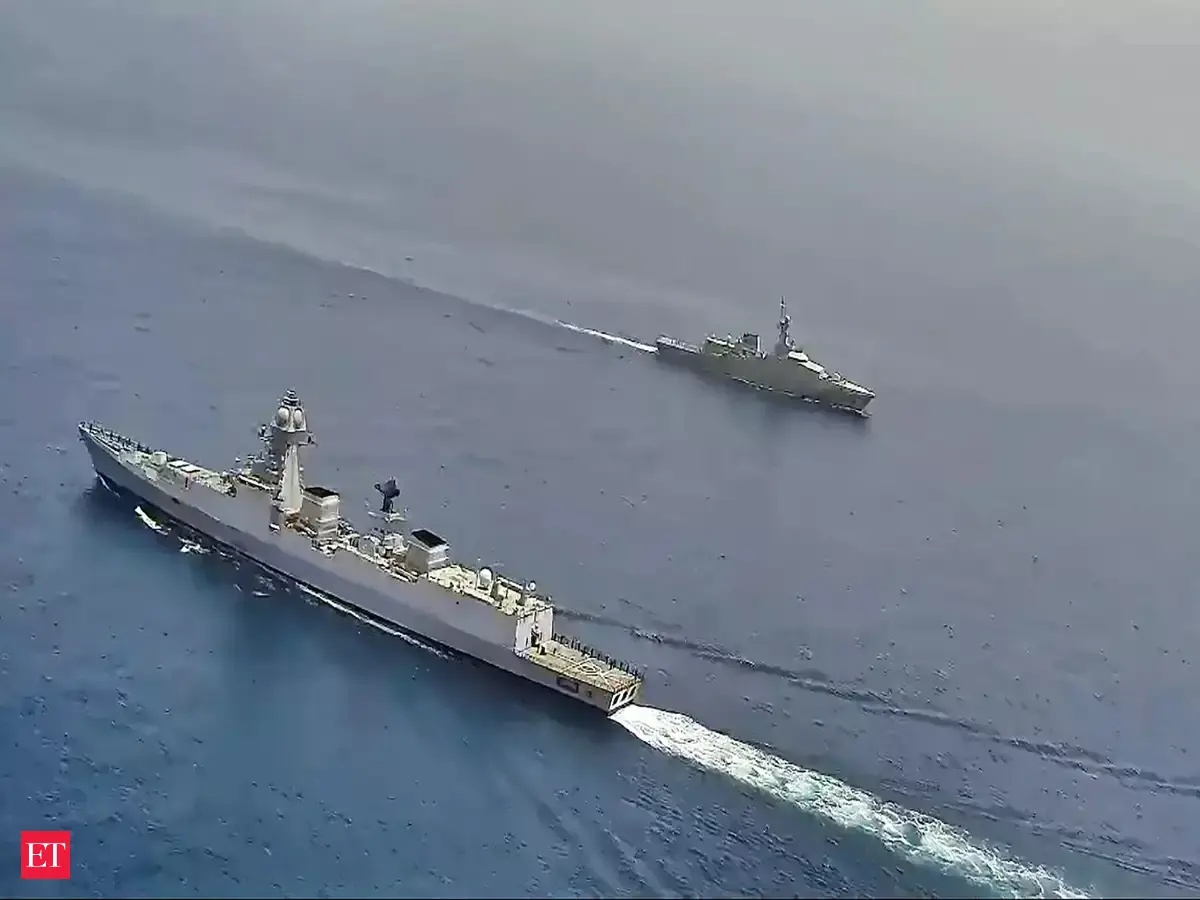
In a significant precautionary measure, Oman is reportedly reallocating its vessels away from the strategically important Mina Al Fahal oil terminal. This decision comes in light of escalating tensions in the region, as reported by Bloomberg News. The move reflects the Omani authorities' commitment to ensuring the safety and security of maritime operations, which are critical to the nation's economy and the global oil supply chain. As the situation develops, the implications of this decision could resonate far beyond Oman's borders.
The Middle East has long been a hotspot for geopolitical conflicts, with various nations vying for influence and control over vital resources. Recent events have escalated tensions, prompting nations like Oman to take preemptive actions. The Mina Al Fahal terminal, located near the capital city of Muscat, is one of the key oil export facilities in the region. It plays a crucial role in the transportation of oil to international markets, making it a focal point for both economic activity and potential conflict.
Oman has traditionally maintained a stance of neutrality in regional disputes, often acting as a mediator between conflicting parties. However, the current situation presents a unique challenge. By shifting vessels away from Mina Al Fahal, Oman is not only safeguarding its own economic interests but also signaling to the international community its awareness of the potential threats to maritime security. The decision highlights the delicate balance Oman must maintain between its economic dependencies on oil exports and the need for security in an increasingly volatile environment.
The adjustment of vessel operations at the Mina Al Fahal terminal may lead to short-term disruptions in oil exports. As one of the primary gateways for Omani oil, any delays or re-routings can have cascading effects on the global oil market. Analysts are closely monitoring the situation, as fluctuations in supply can influence oil prices worldwide. The potential for increased prices due to reduced supply or shipping delays could affect not only consumers but also economies dependent on stable oil prices.
The international community is watching Oman's actions closely. Governments and corporations involved in the oil trade are evaluating the implications of this shift in operations. As a result, some may be considering alternative routes or suppliers in anticipation of possible disruptions. This situation serves as a reminder of the interconnected nature of global trade and the fragility of supply chains, especially in regions fraught with uncertainty.
As Oman navigates this complex situation, it faces several critical decisions. The government must weigh the economic benefits of maintaining robust oil exports against the risks posed by regional instability. Additionally, there is a growing need for Oman to enhance its maritime security measures to protect its vital trade routes. This could involve increased collaboration with international naval forces or investments in technology to monitor and safeguard its waters.
The decision to shift vessels away from the Mina Al Fahal oil terminal is more than a logistical change; it is a reflection of the broader geopolitical landscape that continues to evolve in the Middle East. As tensions rise, Oman’s actions may serve as both a protective measure and a signal to the world regarding the importance of maintaining stability in oil-rich regions. The coming weeks and months will be crucial in determining how Oman balances its economic interests with the pressing need for security. In an era where global oil supplies are increasingly vulnerable to geopolitical dynamics, Oman's proactive approach may offer valuable lessons for other nations facing similar challenges.


Loading more news...
You've reached the end of our news feed. Check back later for more updates!