
Science
NVS-03 navigation satellite awaits GSLV-Mk2 launch in mid-October 2026 as sources cite a 15-20 October window after NVS-02 orbit failure
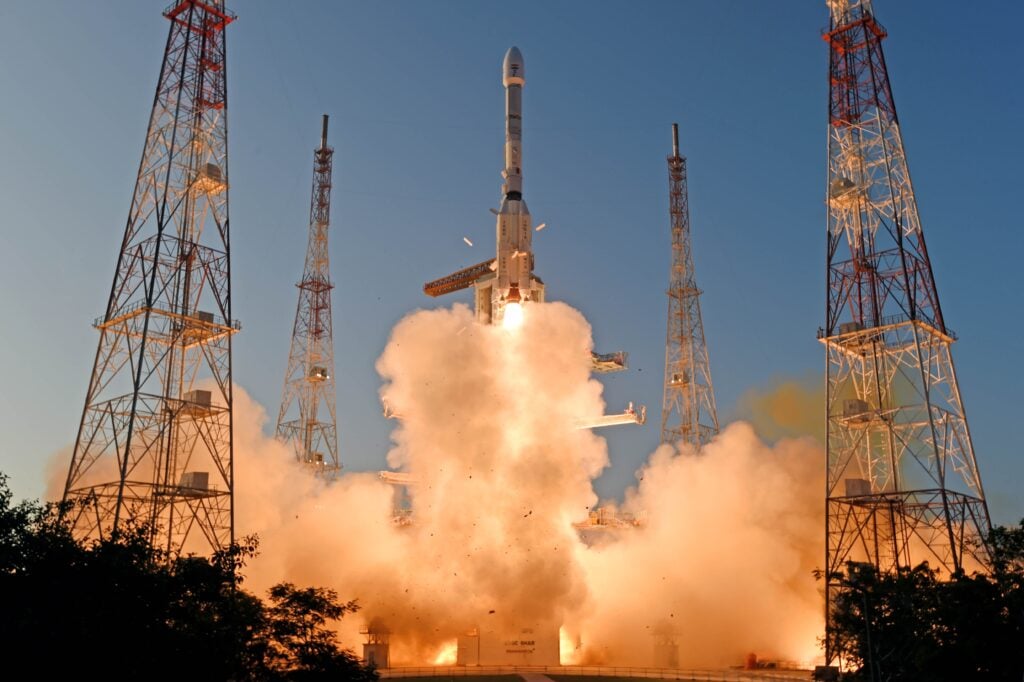
NVS-03 Navigation Satellite Awaits GSLV-Mk2 Launch in Mid-October 2026
India's ambitious navigation constellation is on the verge of a critical launch as the NVS-03 satellite prepares for its deployment. Scheduled for a mid-October 2026 launch window, specifically between the 15th and 20th, this initiative comes on the heels of a significant setback following the orbit failure of the NVS-02 satellite. The successful launch of NVS-03 is not just essential for India’s navigation capabilities but also pivotal for restoring confidence in its independent positioning system.
The Importance of the NVS-03 Satellite
The NVS-03 satellite represents a significant advancement in India's navigation technology. It is designed to enhance the overall capabilities of the Indian Regional Navigation Satellite System (IRNSS), which plays a crucial role in providing accurate positioning services across the country and neighboring regions. With the NVS-02 satellite's recent orbit failure, the pressure is mounting on the Indian Space Research Organisation (ISRO) to ensure that NVS-03 is launched successfully. This satellite will not only replace the lost functionality but also introduce improved features that could significantly enhance the user experience.
Critical Role in Navigation
The NVS series aims to provide continuous and reliable navigation services that are vital for various sectors, including transportation, aviation, and maritime operations. The navigation system is expected to support applications such as vehicle tracking, fleet management, and precision agriculture, among others. With the increasing reliance on GPS and navigation systems globally, the successful deployment of NVS-03 is critical for India to maintain its position as a leader in space technology and navigation.
Challenges Faced by ISRO
The recent orbit failure of NVS-02 posed several challenges for ISRO and raised concerns about the reliability of the satellite system. This incident has prompted the organization to conduct a thorough analysis and implement corrective measures to ensure the NVS-03 satellite's success. ISRO's engineers are working diligently to address any potential issues and enhance the satellite's design based on the lessons learned from the NVS-02 mission.
Technological Advancements
In light of these challenges, the development of NVS-03 incorporates the latest technological advancements. The satellite is equipped with state-of-the-art atomic clocks, which are essential for providing accurate timekeeping and positioning data. Additionally, NVS-03 will feature enhanced signal processing capabilities, allowing for improved accuracy and reliability in navigation services. These advancements are crucial not just for restoring the system's integrity after the failure of NVS-02, but also for positioning India as a competitive player in the global navigation satellite market.
Launch Preparations and Timeline
As the launch window approaches, ISRO is ramping up its preparations for the GSLV-Mk2 launch vehicle, which will carry the NVS-03 satellite into orbit. This vehicle has a proven track record and is expected to provide the necessary thrust to place the satellite in its designated geostationary orbit. The planned timeline includes thorough testing and validation phases to ensure that all systems are functioning optimally before the launch.
Collaboration and Support
ISRO’s efforts are supported by various stakeholders, including government agencies, research institutions, and private sector partners. This collaboration is vital for pooling resources and expertise, ensuring the successful launch and operation of the NVS-03 satellite. The integration of diverse knowledge and technological capabilities will enhance the overall robustness of the satellite system, making it more resilient to future challenges.
Future Prospects for India’s Navigation System
The successful launch and operationalization of NVS-03 will pave the way for further advancements in India's navigation capabilities. It will not only restore the satellite constellation to its intended performance level but also lay the groundwork for future satellites in the NVS series. ISRO is already planning subsequent launches that will expand the system's coverage and functionality, ensuring that India remains at the forefront of navigation technology.
Strategic Importance
Moreover, a robust navigation system is of strategic importance for India. It not only enhances civilian applications but also strengthens national security by providing accurate positioning data for defense operations. As countries around the world invest in their satellite navigation systems, India's commitment to enhancing its capabilities through initiatives like NVS-03 is crucial for maintaining sovereignty and operational effectiveness.
Conclusion
In conclusion, the NVS-03 navigation satellite is set to play a pivotal role in restoring and enhancing India's navigation capabilities following the NVS-02 orbit failure. With a launch window looming in mid-October 2026, ISRO is under pressure to deliver a successful mission that will not only replace lost functionality but also incorporate advanced technologies to improve overall performance. As the world increasingly relies on satellite navigation, India's commitment to developing a reliable and independent navigation system is more important than ever. The successful launch of NVS-03 will mark a significant milestone in India's journey toward becoming a leader in the field of satellite navigation.
More News You Might Like


Loading more news...
You've reached the end of our news feed. Check back later for more updates!