Politics
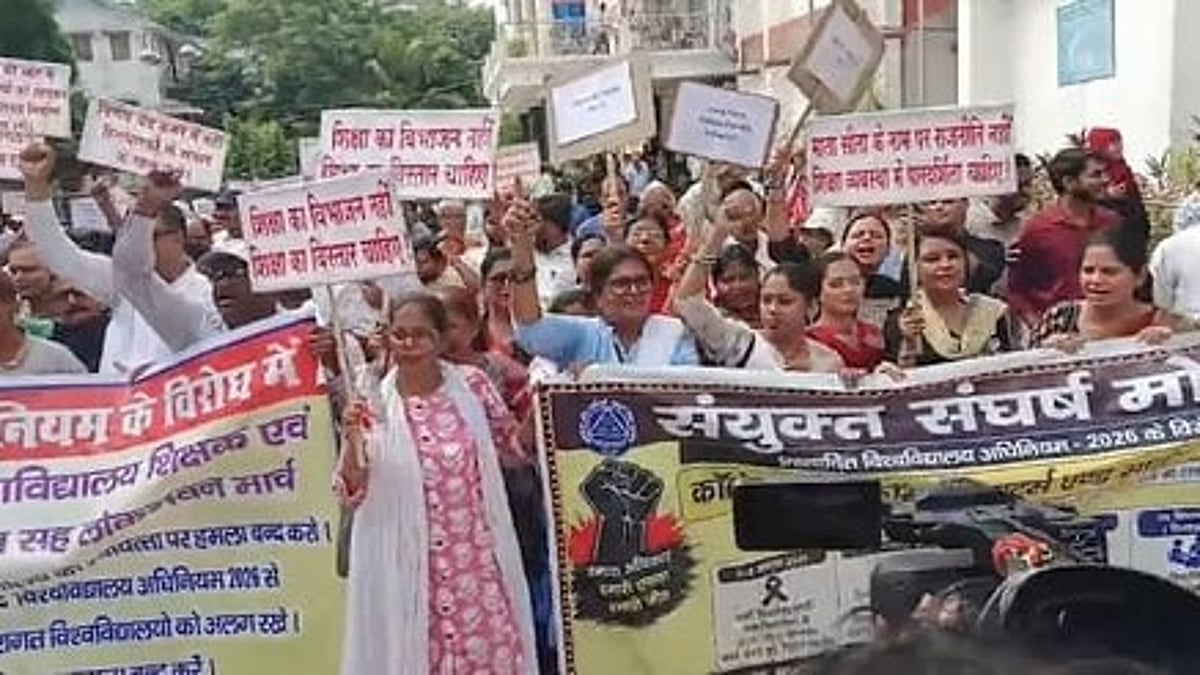
Bihar: Over 50 held in protest against Mata Sita women’s university
October 10, 2026
1,707 views
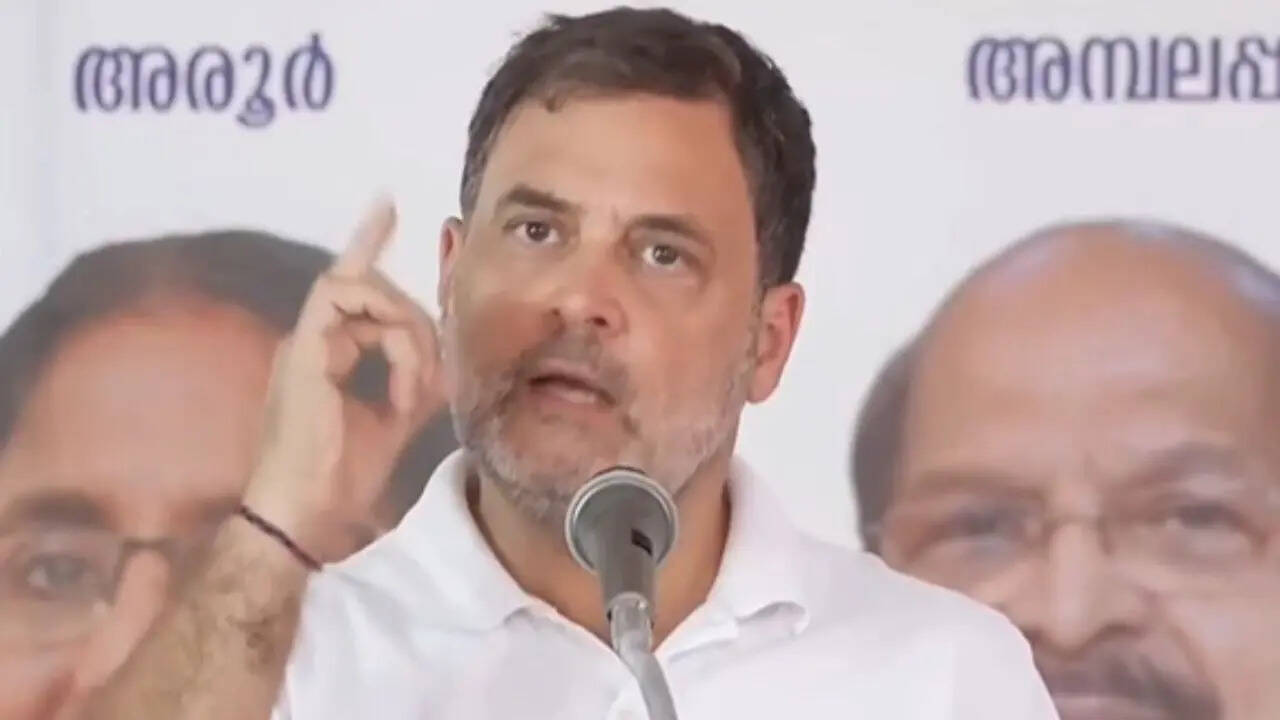
In a charged political atmosphere ahead of the Kerala elections, Congress leader Rahul Gandhi made a bold accusation during a rally, claiming that the ruling Left Democratic Front (LDF) has formed an unholy alliance with the BJP and RSS. He stated that Chief Minister Pinarayi Vijayan is complicit in a broader scheme that undermines minorities across the country. Gandhi’s remarks came during a rally aimed at rallying support for the Congress party, which is striving to reclaim its influence in the politically vibrant state of Kerala.
Rahul Gandhi pointed to what he described as a “hidden understanding” between the LDF and the BJP, asserting that this collaboration has led to a significant erosion of the LDF's core values. According to Gandhi, the Left party has abandoned its foundational principles and has become a tool for promoting communal agendas that align more closely with those of the BJP-RSS. “There is nothing left in the Left,” he declared, emphasizing that the party's identity has been compromised.
During his speech, Gandhi highlighted the presence of a senior left leader at the rally as indicative of the LDF's shift away from its traditional stance. He argued that this leader's involvement signifies a deeper alignment between the LDF and the BJP-RSS, which poses a threat to the secular fabric of the state. “This is not just a political alliance; it is a betrayal of the very essence of what the Left stood for,” he asserted, urging voters to be wary of such political maneuvering.
One of the key points made by Gandhi was the impact of this alleged nexus on minorities in Kerala and the nation as a whole. He claimed that the LDF, under the leadership of Vijayan, has turned a blind eye to the attacks on minorities that have been escalating across India. “How can we trust a government that collaborates with those who target our brothers and sisters?” he questioned, calling for unity among communities to resist such divisive politics.
Gandhi's rally was not just an exercise in political rhetoric; it aimed at mobilizing voters ahead of the elections. He urged the crowd to reflect on the implications of the LDF's governance and the consequences of voting for a party that, according to him, has lost its ideological compass. “This election is about safeguarding our values and standing against the tide of communalism,” he implored, encouraging young voters to take an active role in shaping their political destiny.
The allegations made by Gandhi were met with swift rebuttals from LDF leaders. Pinarayi Vijayan defended his administration, asserting that the LDF remains committed to secularism and the welfare of all communities. “Our government has always prioritized the needs of the people over political affiliations,” he stated, dismissing Gandhi's claims as politically motivated attempts to sow discord.
The accusations made during the rally reflect a broader trend in Indian politics, where alliances and ideological positions are frequently scrutinized. The dynamic between the LDF, BJP, and Congress is emblematic of the shifting landscape in Kerala, a state known for its distinct political culture. As the elections approach, these narratives will play a crucial role in shaping public opinion and influencing voter behavior.
As the political drama unfolds in Kerala, Rahul Gandhi's allegations against the LDF and BJP-RSS nexus underscore the contentious nature of the upcoming elections. With both the Congress and LDF vying for the support of a diverse electorate, the implications of these assertions will resonate beyond just this election cycle. For voters, the choice will be about more than just party loyalty; it will be a reflection of their values and vision for the future of Kerala.

Loading more news...
You've reached the end of our news feed. Check back later for more updates!