
Business
Invetech & MeMed win 2026 Good Design Award Gold for MeMed Key™
October 9, 2026
2,539 views
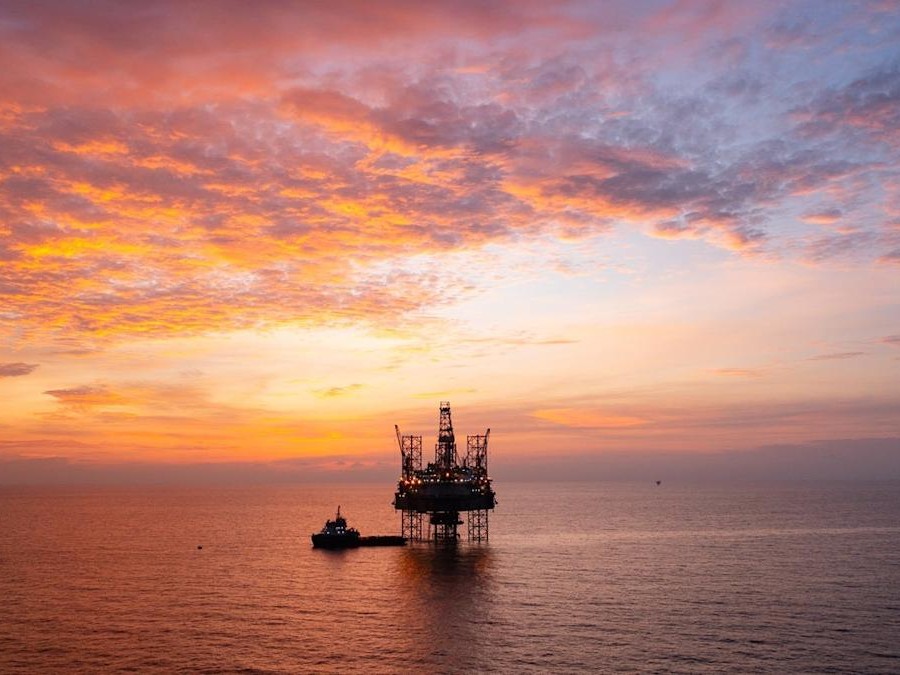
Norway's crude oil production has recently outperformed expectations, providing a much-needed boost to global oil supply amidst ongoing concerns regarding Middle Eastern oil exports. In June, Norway's offshore fields, which had undergone seasonal maintenance, came back online, resulting in an impressive increase in output. Preliminary figures from the Norwegian Offshore Directorate (SODIR) indicate that the country averaged 1.827 million barrels per day (bpd) in June, surpassing the official forecasts and significantly higher than the 1.677 million bpd recorded in the same month last year.
The return of Norway's offshore fields from maintenance has played a crucial role in the surge of oil production. The seasonal maintenance period typically affects output levels, but this year, the swift recovery has allowed Norway to capitalize on a favorable global market environment. With ongoing tensions in the Middle East, particularly in the Strait of Hormuz, which is a vital shipping route for oil, the stability of Norwegian oil supply becomes even more critical.
As Norway's oil output rises, the global market remains on edge due to geopolitical tensions affecting oil transport routes. The Strait of Hormuz, a narrow passage through which a significant portion of the world's oil supply is transported, has seen traffic levels drop to near crisis lows. This has raised alarms among traders and analysts, who are wary of potential disruptions that could lead to spikes in oil prices. In contrast, Norway's stable production levels present a reliable alternative source for countries looking to mitigate their reliance on Middle Eastern oil.
Looking ahead, the outlook for Norway's oil production appears promising. Analysts anticipate that as global demand for oil continues to recover in the post-pandemic landscape, Norway's ability to maintain or even increase its output could position it favorably in the global market. The Norwegian government has been proactive in supporting the oil industry, investing in new technologies and sustainable practices to enhance production efficiency.
Norway's recent achievements in crude oil production highlight the country's resilience and adaptability in a challenging global environment. With figures surpassing forecasts and a return to pre-maintenance output levels, Norway stands as a beacon of stability amidst the backdrop of Middle Eastern uncertainties. As the global oil market continues to navigate through geopolitical challenges, Norway's commitment to enhancing production while promoting sustainability may serve as a model for other oil-producing nations. The interplay between production levels, market demands, and geopolitical factors will undoubtedly shape the future of Norway's oil industry in the years to come.


Loading more news...
You've reached the end of our news feed. Check back later for more updates!