
Sports
No India-Pakistan contest in T20 World Cup could cause losses to the tune of $250 million
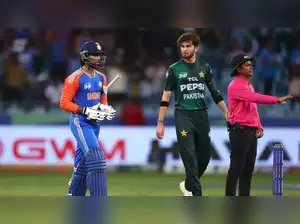
The Priceless Rivalry: How a Missing India-Pakistan T20 World Cup Clash Could Cost Cricket Millions
The prospect of an India-Pakistan encounter in any major cricketing tournament is more than just a match; it's a global spectacle, a cultural phenomenon, and a colossal economic driver. Now, as discussions surrounding the T20 World Cup's future scheduling intensify, a stark reality emerges: the potential absence of this iconic rivalry could translate into a staggering financial loss, estimated to be as high as $250 million.
This figure, while seemingly astronomical, underscores the unparalleled commercial power of the India-Pakistan cricketing saga. The bilateral series between these two nations has been absent for over a decade due to political tensions, but their clashes in ICC events remain the undisputed crown jewels of international cricket, attracting unprecedented viewership, sponsorship, and merchandising interest.
The Economic Engine of Rivalry:
The $250 million figure isn't pulled from thin air. It's a carefully calculated projection based on several key economic pillars:
* Broadcast Rights and Advertising Revenue: The India-Pakistan match is consistently the most-watched fixture of any tournament it features in. Broadcasters worldwide pay exorbitant sums for the rights to telecast these games, driven by the promise of record-breaking advertising revenue. Advertisers, in turn, vie for prime slots during these high-stakes encounters, recognizing the unparalleled reach and engagement they offer. The absence of this match would leave a significant void in advertising inventory, impacting broadcasters' bottom lines.
* Sponsorship and Commercial Partnerships: Brands, both global and regional, are eager to associate themselves with the fervor and passion surrounding an India-Pakistan clash. Sponsorship deals for tournaments featuring this fixture are often significantly inflated. Without the guaranteed eyeballs and the emotional connection the rivalry generates, sponsors may be less inclined to invest, leading to a dip in overall tournament revenue.
* Ticketing and Hospitality: While often played at neutral venues or in major cricketing nations with substantial Indian and Pakistani diaspora populations, tickets for India-Pakistan matches are notoriously difficult to obtain and command premium prices. Hospitality packages and associated fan events also contribute significantly to the economic ecosystem. A missing clash translates to fewer sold-out stadiums and a substantial reduction in on-ground revenue.
* Merchandising and Fan Engagement: The merchandise market surrounding an India-Pakistan encounter is immense. Jerseys, flags, and other fan paraphernalia fly off the shelves. The cultural significance of the rivalry fuels a massive engagement in social media and online platforms, creating further opportunities for revenue generation through digital advertising and content creation.
* Ancillary Businesses: Beyond the direct cricketing economy, the absence of such a high-profile match can have ripple effects on ancillary businesses, including travel, accommodation, and food services in host cities.
Beyond the Numbers: The Intangible Impact:
While the financial implications are substantial, the loss of an India-Pakistan contest transcends mere monetary figures. It represents a blow to:
* Fan Excitement and Engagement: For millions of fans across the globe, this is the ultimate cricketing showdown. The anticipation, the drama, and the sheer unpredictability of an India-Pakistan match are what make it so captivating. Its absence would undoubtedly dampen the overall excitement and reduce fan engagement with the tournament.
* The Global Appeal of Cricket: The India-Pakistan rivalry is a global talking point that transcends the sport itself. It draws in casual observers and even those unfamiliar with cricket, showcasing the sport's immense popularity and cultural resonance. Losing this fixture risks diminishing cricket's global appeal and its ability to attract new audiences.
* The Narrative of the Tournament: An India-Pakistan match often dictates the narrative of a World Cup. It creates storylines, fuels debates, and becomes a central talking point for the duration of the tournament. Without it, the tournament might feel less compelling and lose a significant part of its inherent drama.
The Dilemma for Cricket Authorities:
The potential financial fallout presents a significant dilemma for cricket's governing bodies. While prioritizing sporting integrity and avoiding unnecessary controversies is paramount, the economic realities cannot be ignored. The scheduling of the T20 World Cup is a complex undertaking, often influenced by various factors including host nation agreements, broadcast commitments, and the availability of teams.
However, the sheer magnitude of the potential losses associated with a missing India-Pakistan fixture suggests that every effort should be made to ensure its inclusion, provided it aligns with the logistical and political realities. The cricketing world thrives on these electrifying encounters, and their absence would be a true loss, not just for the finances of the sport, but for the very soul of cricket itself. The $250 million figure serves as a stark reminder of the priceless nature of this rivalry.
The prospect of an India-Pakistan encounter in any major cricketing tournament is more than just a match; it's a global spectacle, a cultural phenomenon, and a colossal economic driver. Now, as discussions surrounding the T20 World Cup's future scheduling intensify, a stark reality emerges: the potential absence of this iconic rivalry could translate into a staggering financial loss, estimated to be as high as $250 million.
This figure, while seemingly astronomical, underscores the unparalleled commercial power of the India-Pakistan cricketing saga. The bilateral series between these two nations has been absent for over a decade due to political tensions, but their clashes in ICC events remain the undisputed crown jewels of international cricket, attracting unprecedented viewership, sponsorship, and merchandising interest.
The Economic Engine of Rivalry:
The $250 million figure isn't pulled from thin air. It's a carefully calculated projection based on several key economic pillars:
* Broadcast Rights and Advertising Revenue: The India-Pakistan match is consistently the most-watched fixture of any tournament it features in. Broadcasters worldwide pay exorbitant sums for the rights to telecast these games, driven by the promise of record-breaking advertising revenue. Advertisers, in turn, vie for prime slots during these high-stakes encounters, recognizing the unparalleled reach and engagement they offer. The absence of this match would leave a significant void in advertising inventory, impacting broadcasters' bottom lines.
* Sponsorship and Commercial Partnerships: Brands, both global and regional, are eager to associate themselves with the fervor and passion surrounding an India-Pakistan clash. Sponsorship deals for tournaments featuring this fixture are often significantly inflated. Without the guaranteed eyeballs and the emotional connection the rivalry generates, sponsors may be less inclined to invest, leading to a dip in overall tournament revenue.
* Ticketing and Hospitality: While often played at neutral venues or in major cricketing nations with substantial Indian and Pakistani diaspora populations, tickets for India-Pakistan matches are notoriously difficult to obtain and command premium prices. Hospitality packages and associated fan events also contribute significantly to the economic ecosystem. A missing clash translates to fewer sold-out stadiums and a substantial reduction in on-ground revenue.
* Merchandising and Fan Engagement: The merchandise market surrounding an India-Pakistan encounter is immense. Jerseys, flags, and other fan paraphernalia fly off the shelves. The cultural significance of the rivalry fuels a massive engagement in social media and online platforms, creating further opportunities for revenue generation through digital advertising and content creation.
* Ancillary Businesses: Beyond the direct cricketing economy, the absence of such a high-profile match can have ripple effects on ancillary businesses, including travel, accommodation, and food services in host cities.
Beyond the Numbers: The Intangible Impact:
While the financial implications are substantial, the loss of an India-Pakistan contest transcends mere monetary figures. It represents a blow to:
* Fan Excitement and Engagement: For millions of fans across the globe, this is the ultimate cricketing showdown. The anticipation, the drama, and the sheer unpredictability of an India-Pakistan match are what make it so captivating. Its absence would undoubtedly dampen the overall excitement and reduce fan engagement with the tournament.
* The Global Appeal of Cricket: The India-Pakistan rivalry is a global talking point that transcends the sport itself. It draws in casual observers and even those unfamiliar with cricket, showcasing the sport's immense popularity and cultural resonance. Losing this fixture risks diminishing cricket's global appeal and its ability to attract new audiences.
* The Narrative of the Tournament: An India-Pakistan match often dictates the narrative of a World Cup. It creates storylines, fuels debates, and becomes a central talking point for the duration of the tournament. Without it, the tournament might feel less compelling and lose a significant part of its inherent drama.
The Dilemma for Cricket Authorities:
The potential financial fallout presents a significant dilemma for cricket's governing bodies. While prioritizing sporting integrity and avoiding unnecessary controversies is paramount, the economic realities cannot be ignored. The scheduling of the T20 World Cup is a complex undertaking, often influenced by various factors including host nation agreements, broadcast commitments, and the availability of teams.
However, the sheer magnitude of the potential losses associated with a missing India-Pakistan fixture suggests that every effort should be made to ensure its inclusion, provided it aligns with the logistical and political realities. The cricketing world thrives on these electrifying encounters, and their absence would be a true loss, not just for the finances of the sport, but for the very soul of cricket itself. The $250 million figure serves as a stark reminder of the priceless nature of this rivalry.
More News You Might Like


Loading more news...
You've reached the end of our news feed. Check back later for more updates!