Science
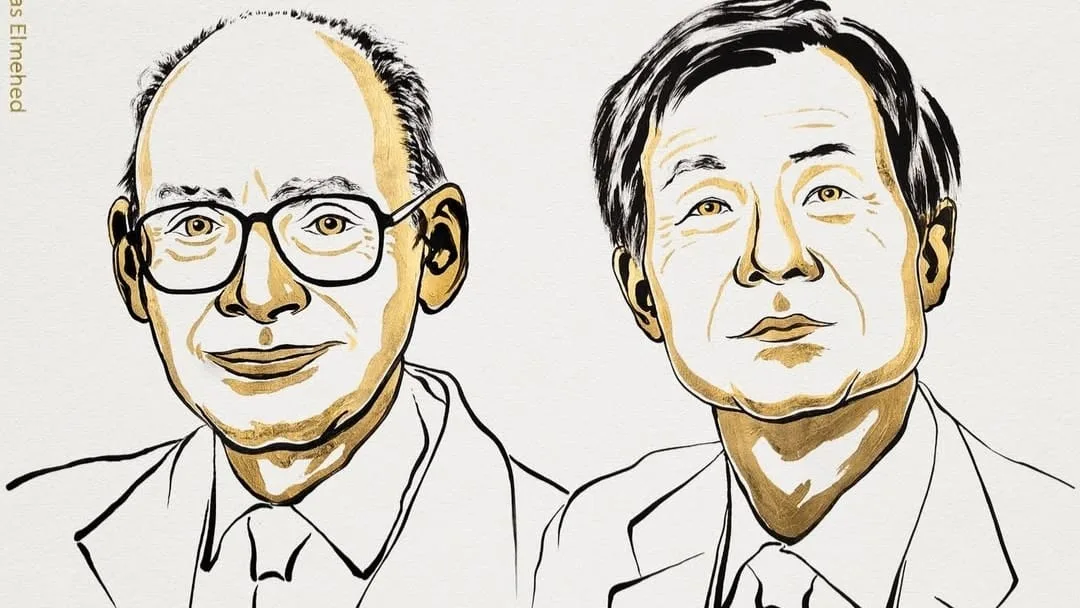
Henri Kagan wins Nobel Prize at 95: Check out his contributions to chemistry and pharmacy
October 9, 2026
2,834 views
In a significant cultural initiative, the Noor International Microfilm Centre, operating under the auspices of the Iran Culture House in New Delhi, has embarked on a project to digitise the rare manuscripts associated with the Nizam of Hyderabad. This project, guided by the esteemed Dr Mehdi Khajeh Piri, the founder of the centre, is supported by funding from the Iranian government. The aim of this venture is not merely to preserve historical documents but to save and promote the rich cultural heritage of Iran and its historical connections with India.
The digitisation of these manuscripts is crucial for several reasons. First and foremost, it ensures the preservation of fragile documents that might otherwise deteriorate over time. Many of these manuscripts are centuries old and contain invaluable insights into the historical narrative of the Nizam's era. By converting them into digital formats, they can be safeguarded against physical decay and can be accessed by scholars and enthusiasts alike without the risk of damaging the originals. This step is particularly vital in an age where the preservation of cultural heritage is becoming increasingly challenging due to environmental factors and human activities.
The Noor International Microfilm Centre has been at the forefront of efforts to document and preserve Persian literature and historical manuscripts. Under the leadership of Dr Mehdi Khajeh Piri, the centre has successfully digitised numerous manuscripts, making them available for academic research and public consumption. Dr Piri’s expertise and vision have been instrumental in establishing the centre as a leading institution in the field of manuscript preservation. The current project on the Nizam’s manuscripts is expected to further enhance the centre’s reputation and contribute significantly to the study of Indo-Persian culture.
The Iranian government's funding for this project underscores its commitment to cultural diplomacy and the preservation of shared heritage with India. By investing in the digitisation of these manuscripts, Iran is not only safeguarding its own history but also acknowledging the intertwined stories of both nations. The collaboration between Iranian and Indian institutions highlights the importance of international cooperation in cultural preservation efforts. This initiative serves as a model for other countries looking to protect their heritage through technology.
The manuscripts being digitised are not just historical documents; they represent a fusion of cultures, languages, and traditions. The Nizam of Hyderabad, known for his patronage of the arts and literature, played a pivotal role in the cultural landscape of India during his reign. Many of these manuscripts contain works of poetry, philosophy, and science that reflect the intellectual climate of the time. By digitising these texts, the Noor International Microfilm Centre is ensuring that the wisdom and beauty encapsulated in these works are not lost to future generations.
Digitisation makes it possible for individuals around the world to access these manuscripts with ease. Scholars, students, and history enthusiasts from different backgrounds can explore the Nizam's manuscripts online, breaking geographical barriers and encouraging a broader appreciation of Persian and Indian heritage. The online availability of these documents will also facilitate research and inspire new academic inquiries into the cultural exchanges that have shaped the history of both Iran and India.
As the digitisation project progresses, it promises to open new avenues for research and education. Workshops and seminars can be planned to discuss the findings derived from these manuscripts, fostering a greater understanding of the shared history between Iran and India. Educational institutions, libraries, and cultural centres can collaborate to create programs that highlight the significance of the Nizam's manuscripts, further promoting cultural awareness and appreciation.
The digitisation of the Nizam’s rare manuscripts is a commendable step towards preserving a vital part of cultural heritage. With the support of the Iranian government and the expertise of the Noor International Microfilm Centre, this project not only safeguards the past but also paves the way for future generations to learn from and appreciate the rich tapestry of history that connects Iran and India. As we move forward, it is essential to continue these efforts to ensure that our shared cultural legacies are not only preserved but celebrated.


Loading more news...
You've reached the end of our news feed. Check back later for more updates!